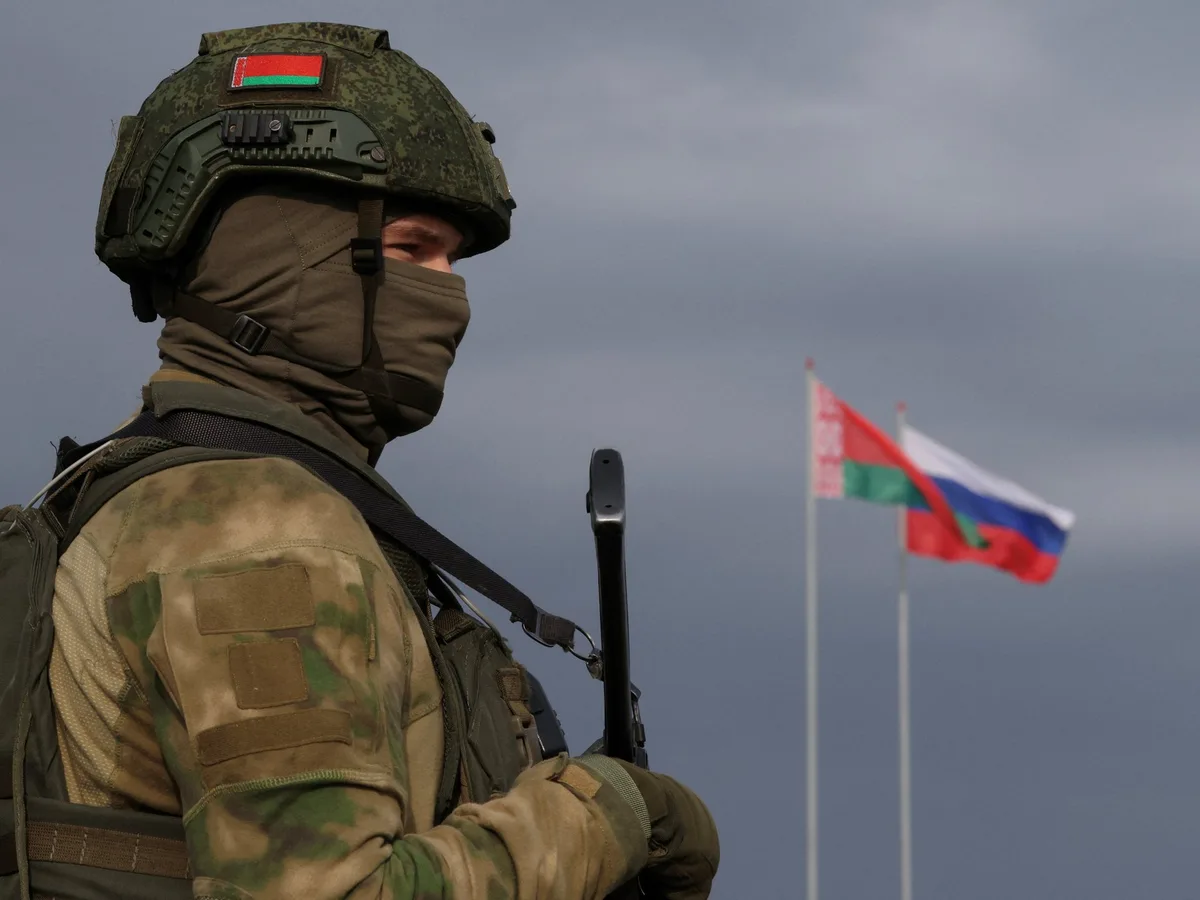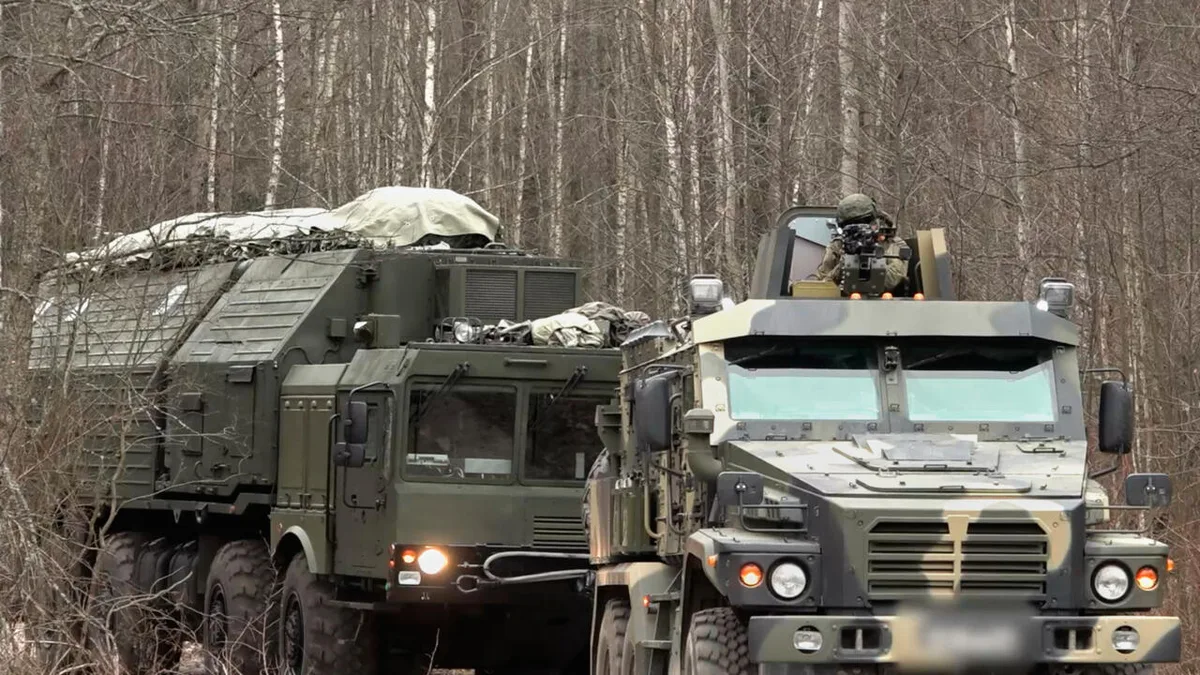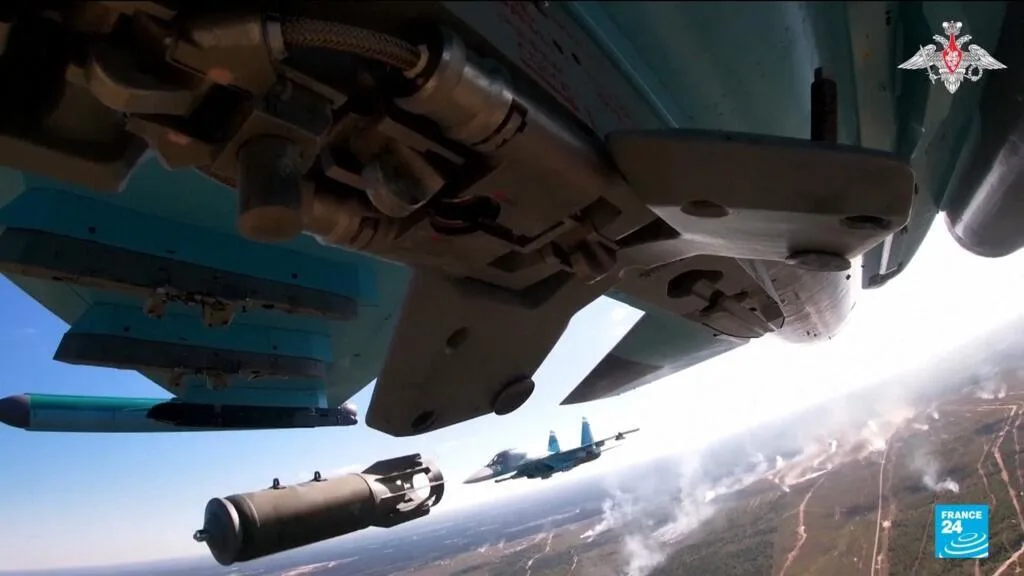
Belarus and Russia began joint military drills involving Russian nuclear weapons on May 18, 2026, in Belarus [1, 2, 3, 4, 5]. The exercises include training on the delivery, preparation, and potential use of Russian nuclear munitions based in Belarusian territory [1, 2, 3, 5].
The drills aim to improve Belarusian armed forces' personnel training, readiness, and ability to carry out combat operations from unplanned areas alongside Russian troops. The Belarus Defence Ministry said, "The aim of the exercise is to improve the personnel's level of training, to test the Airborne Forces' readiness to carry out their tasks, and to organise combat operations from unplanned areas. The exercise is not directed against any other state and does not pose security threats in the region" [1]. Exercises emphasize stealth, long-distance movement, and preparing forces and equipment [2, 5].
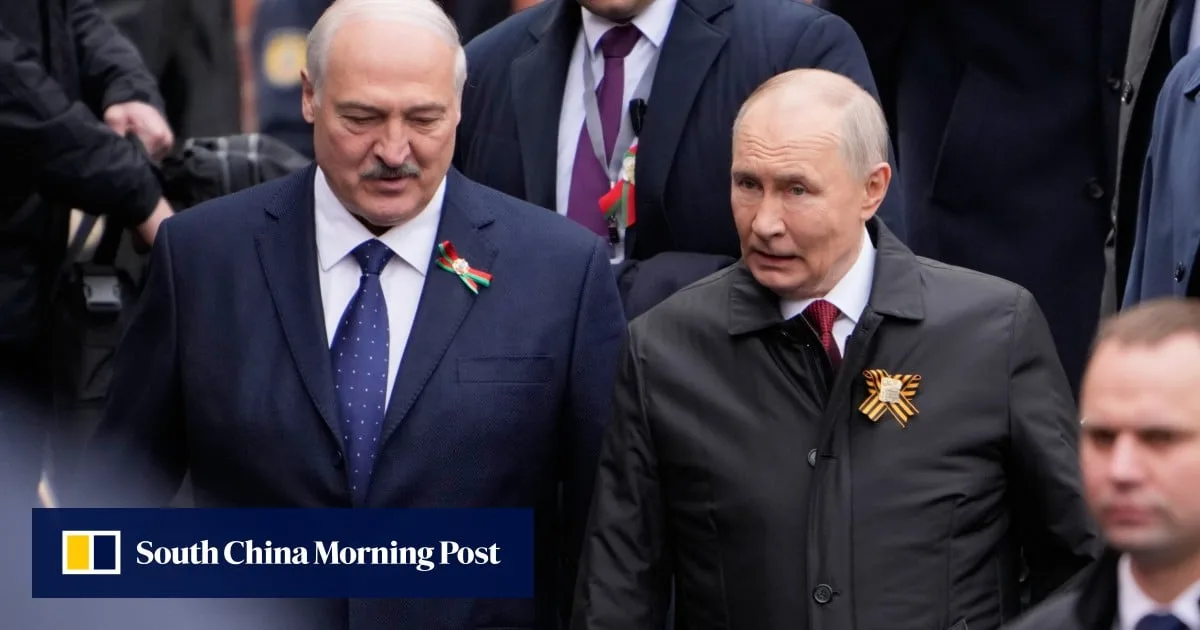
Belarus has hosted Russian tactical nuclear weapons since 2023, after President Alexander Lukashenko agreed to their deployment following Russia's 2022 invasion of Ukraine [2, 3, 4]. Russia is believed to maintain control of the nuclear weapons stationed in Belarus, with Russian President Vladimir Putin overseeing them [1, 2, 3].
Belarus depends heavily on Moscow economically and militarily, with Lukashenko seeking greater security amidst perceived NATO threats [3, 4]. Kyiv strongly condemned the drills, accusing Russia of legitimizing nuclear proliferation by turning Belarus into a nuclear staging ground near NATO borders. The Ukrainian Ministry of Foreign Affairs said, "By turning Belarus into its nuclear staging ground near NATO borders, the Kremlin is de facto legitimising the proliferation of nuclear weapons worldwide and setting a dangerous precedent for other authoritarian regimes" [3].
Ukraine and NATO fear Russia may launch new offensives against Ukraine from Belarus, though the Kremlin dismissed such claims as attempts to inflame tensions. Kremlin spokesman Dmitry Peskov said, "Such statements are nothing more than an attempt to further inflame tensions in order to prolong the war" in Ukraine [3, 4].
The Russian Ministry of Defence had not released public information about the drills as of reporting [4]. The joint exercises come after Russia deployed nuclear-capable hypersonic missiles, including the Oreshnik missile, to Belarus in 2025 [3].
The drills are ongoing as of May 18, 2026.