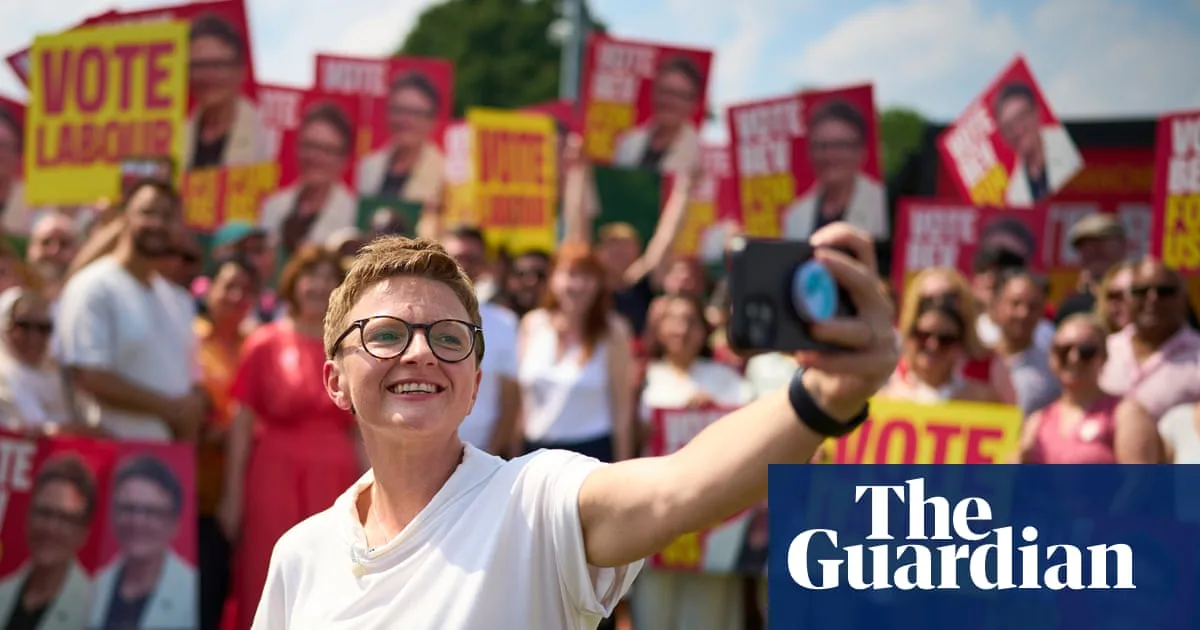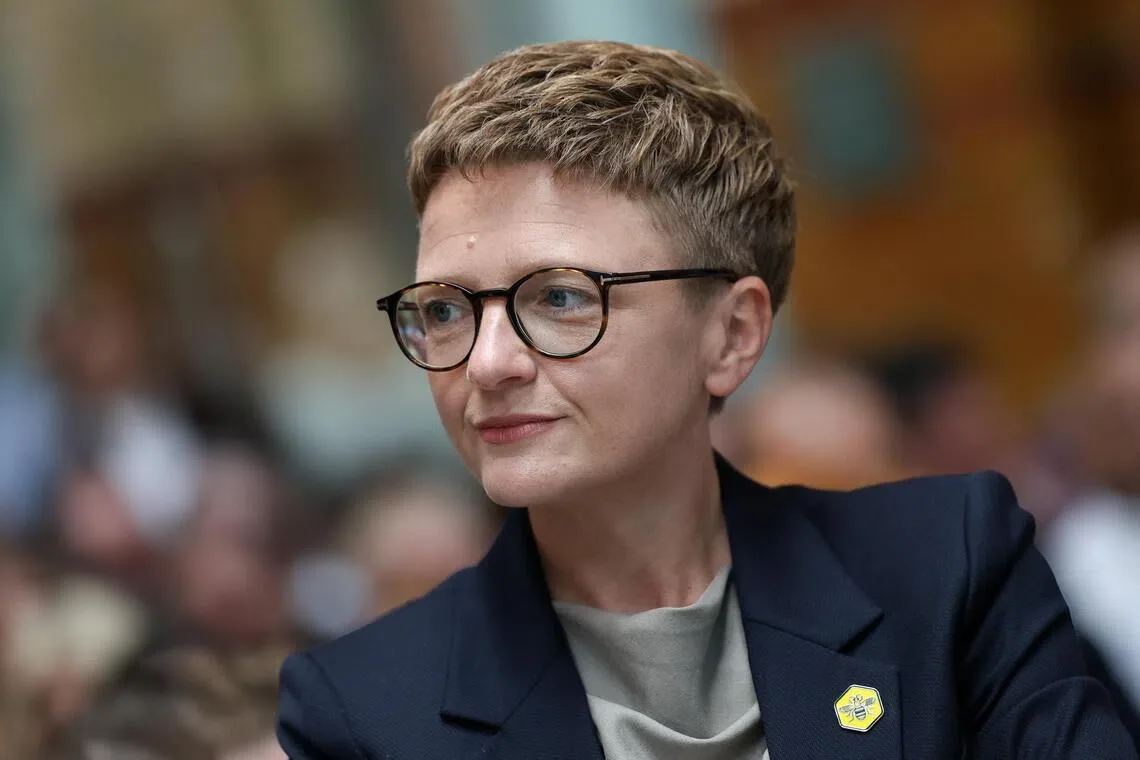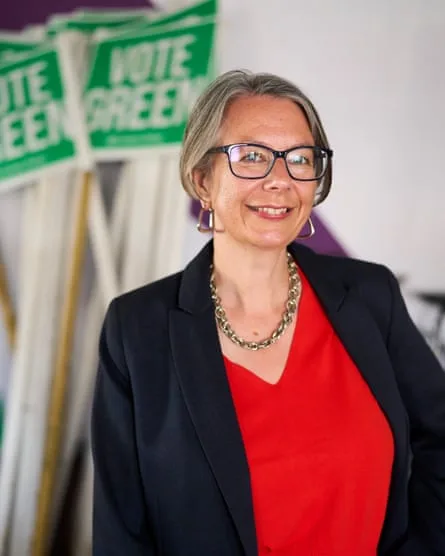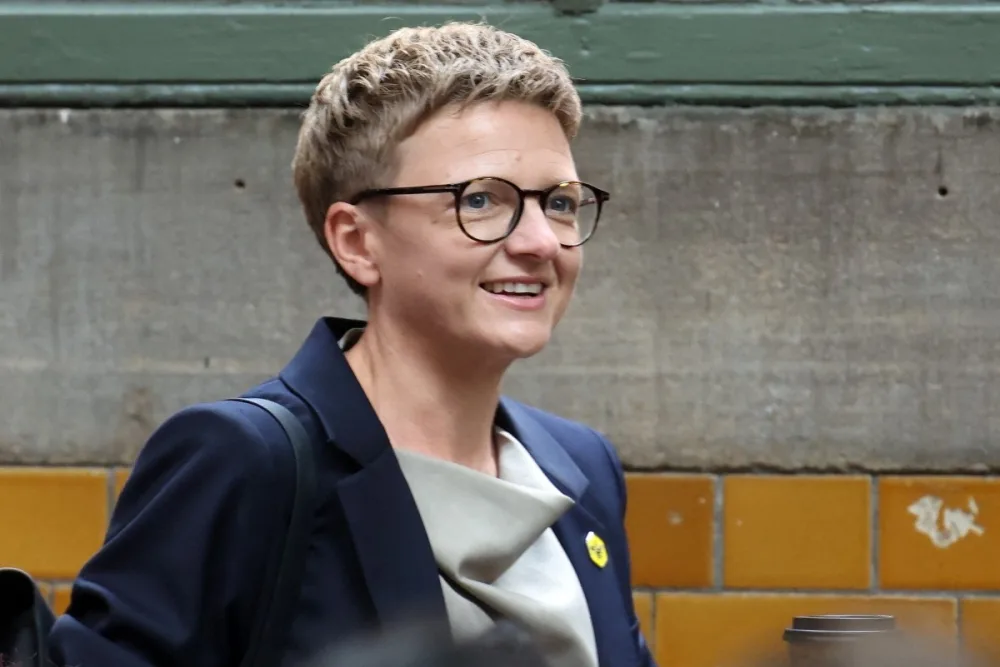
Bev Craig was elected mayor of Greater Manchester in a byelection held on July 30, 2026, succeeding Andy Burnham who left the post after becoming UK Prime Minister [1, 2, 3]. More than 2 million people were eligible to vote in the poll, though turnout was just under 25% [1, 2, 3].
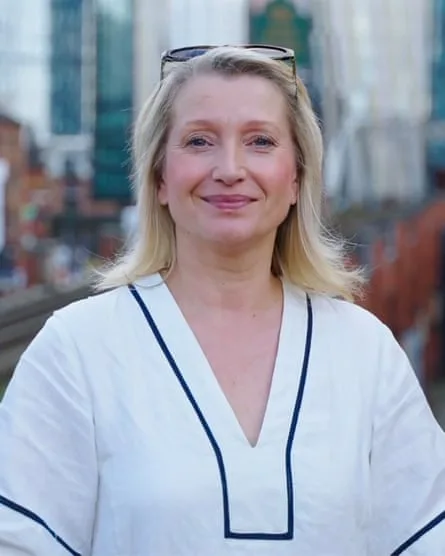
The election used the supplementary voting system. Craig won 47.15% of first-preference votes, just short of the 50% needed for an outright win. Reform UK candidate Sian Astley came second with around 21% of the vote [2, 3]. After the redistribution of second preferences, Craig received 309,525 combined votes, while Astley was on 157,178 [2, 3]. Labour’s advantage under the system reflected strong second-preference support from Green, Liberal Democrat, and some Conservative voters [1].
Andy Burnham triggered the mayoral byelection after winning the Makerfield parliamentary seat in June 2026 and resigning as mayor [1, 2, 3]. He had been the Greater Manchester mayor since 2017 and was re-elected in 2024 with 63% of the vote [2, 3]. Burnham’s government announced regional empowerment plans on July 31, including allowing mayors to keep a share of taxes collected locally [2, 3]. The Greater Manchester mayor controls a £3 billion annual budget and powers over housing, health, policing, and transport [1].
Burnham called Craig "the right person to lead this great city region forward into its best decade ever" [2]. Reform UK shifted focus from Greater Manchester to a parliamentary byelection in Clacton contested by Nigel Farage [1].
Craig was declared winner on August 1 after the count’s second round [2, 3]. She will now assume the mayoralty, overseeing Greater Manchester’s devolved governance and public services.