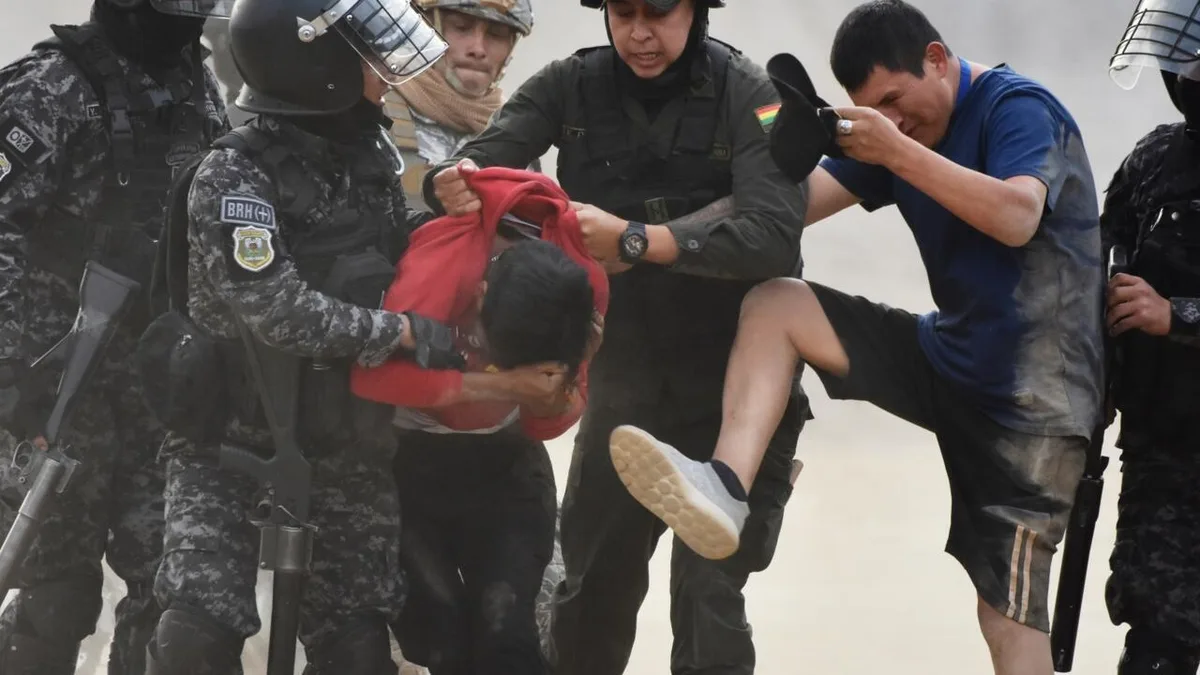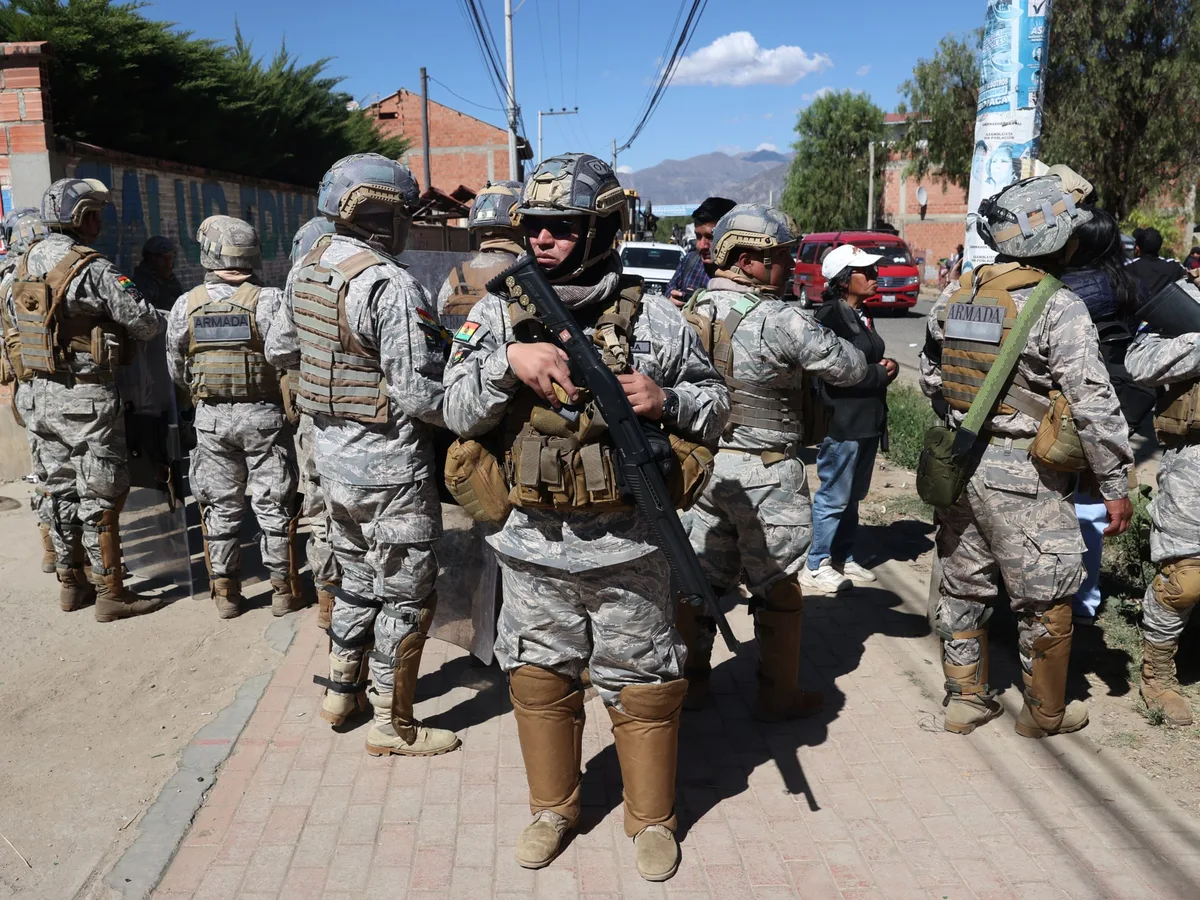
Bolivia’s legislature approved a law granting President Rodrigo Paz authority to use the military to clear roadblocks set up by antigovernment protesters. [1, 2, 3] The Chamber of Deputies passed the law on Sunday after an overnight debate, following prior Senate approval. [1, 2, 3] Roberto Castro, Chamber president, declared, "This law is hereby passed." [1]
President Paz signed the law on Monday, June 8, 2026, expanding executive emergency powers to permit military assistance in clearing blockades. [2] The legislation gives soldiers power to forcibly remove roadblocks and a presumption of legality in conflict situations. [1, 2, 3] Police remain the primary enforcers under the law, with the military in a supporting role. [2]
The law replaces a 2020 statute that limited military involvement against protests and was repealed last month. [1] The nationwide protests involve farmers, miners, and transportation unions. They demand the resignation of President Paz amid economic unrest, inflation, and subsidy cuts. [1, 2]
More than 90 roadblocks have paralyzed Bolivia’s highways, disrupting food and fuel supplies. [1, 2] President Paz said the law is necessary "to defend the vast majority from those who want to attack us and disrupt this democratic process." He criticized "narcoterrorism and the priorities of certain sectors hostile to our democracy, our Constitution and free development." [2]
The legislation creates a legal framework regulating states of emergency during civil unrest. [2] The next expected step is the government’s deployment of military forces to clear the blockades and restore supply routes across the country.