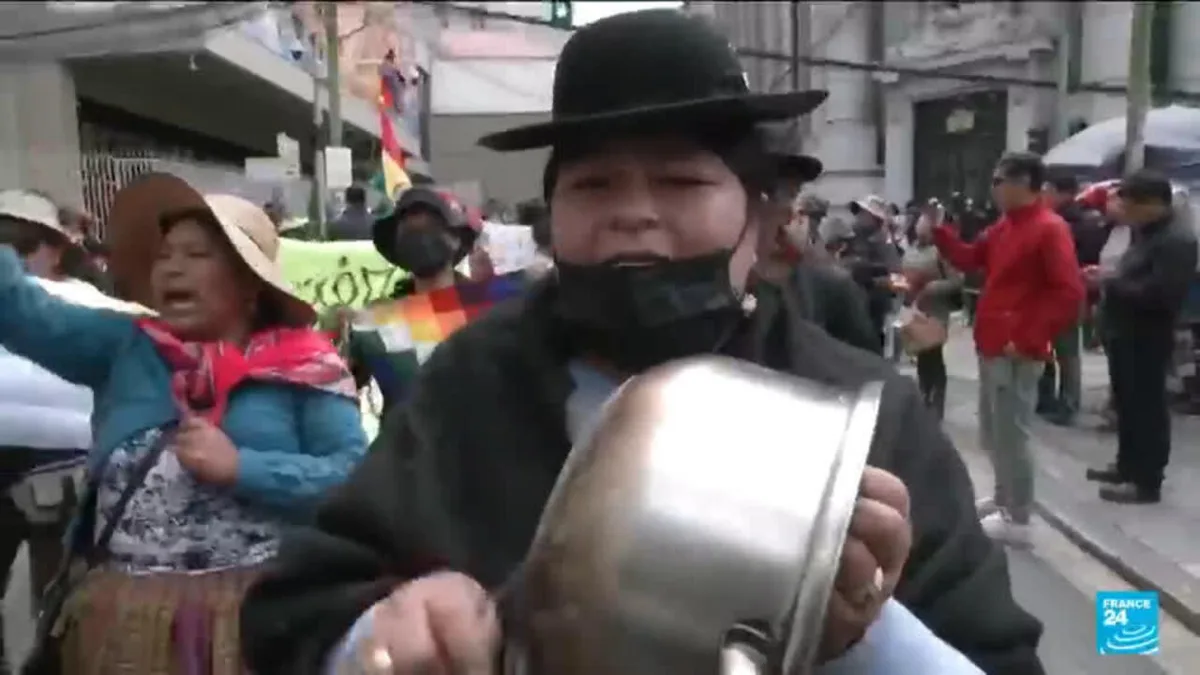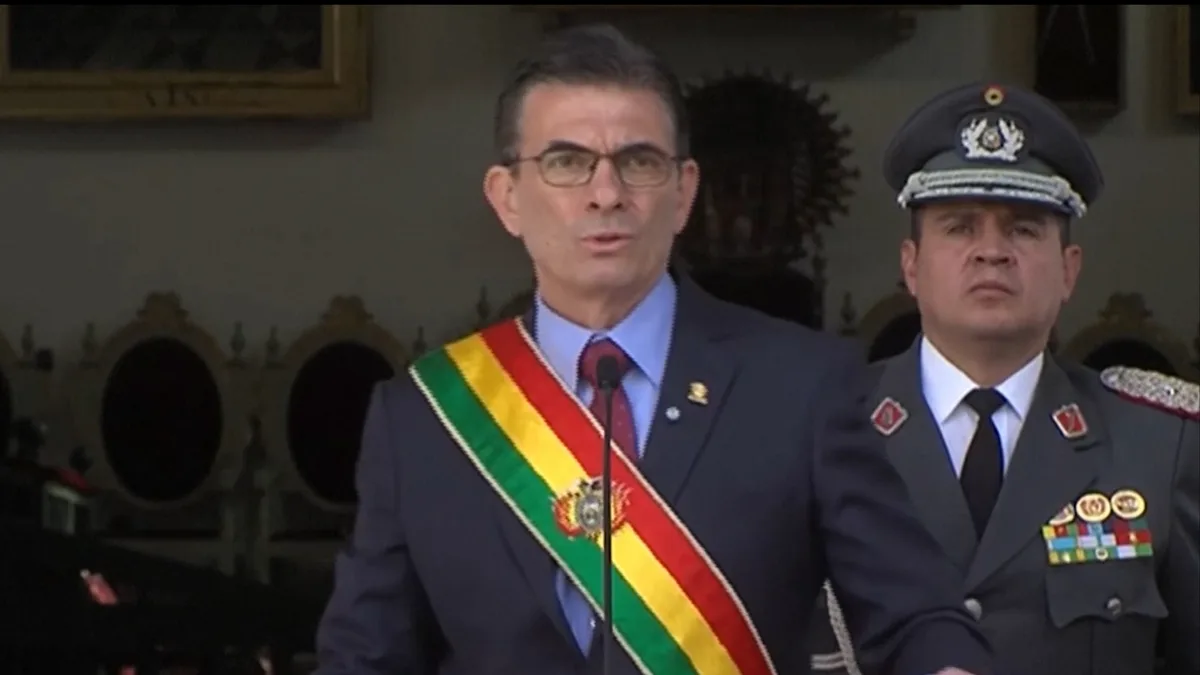
Bolivian President Rodrigo Paz announced on May 25 that he and his cabinet ministers would reduce their salaries by 50 percent as a gesture to protesters demanding political and economic change [1, 2, 3, 4, 5]. Paz said, "As part of my efforts and commitment to the country, I have decided to reduce my salary by 50 percent." He added that the decision was made "as part of our profound commitment and sacrifice for the country" [1, 5].
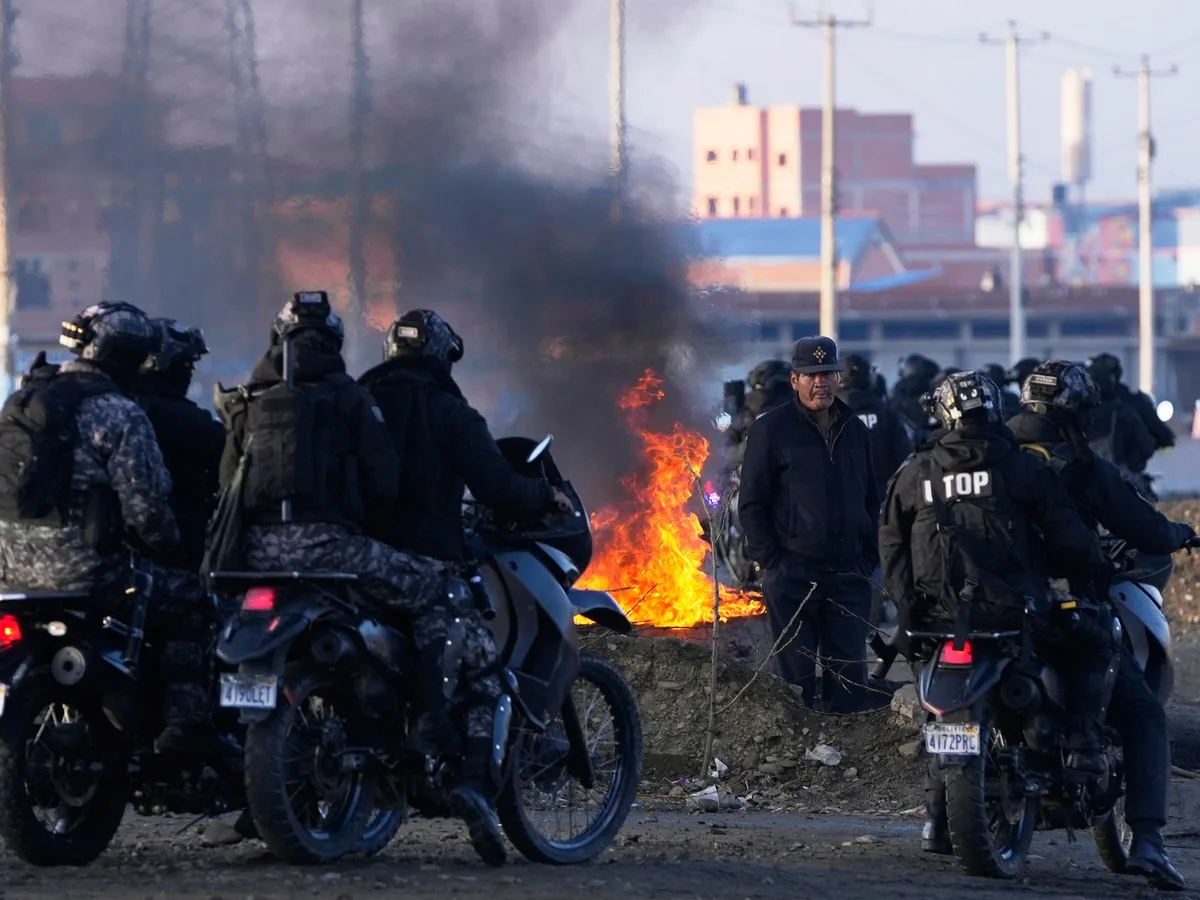
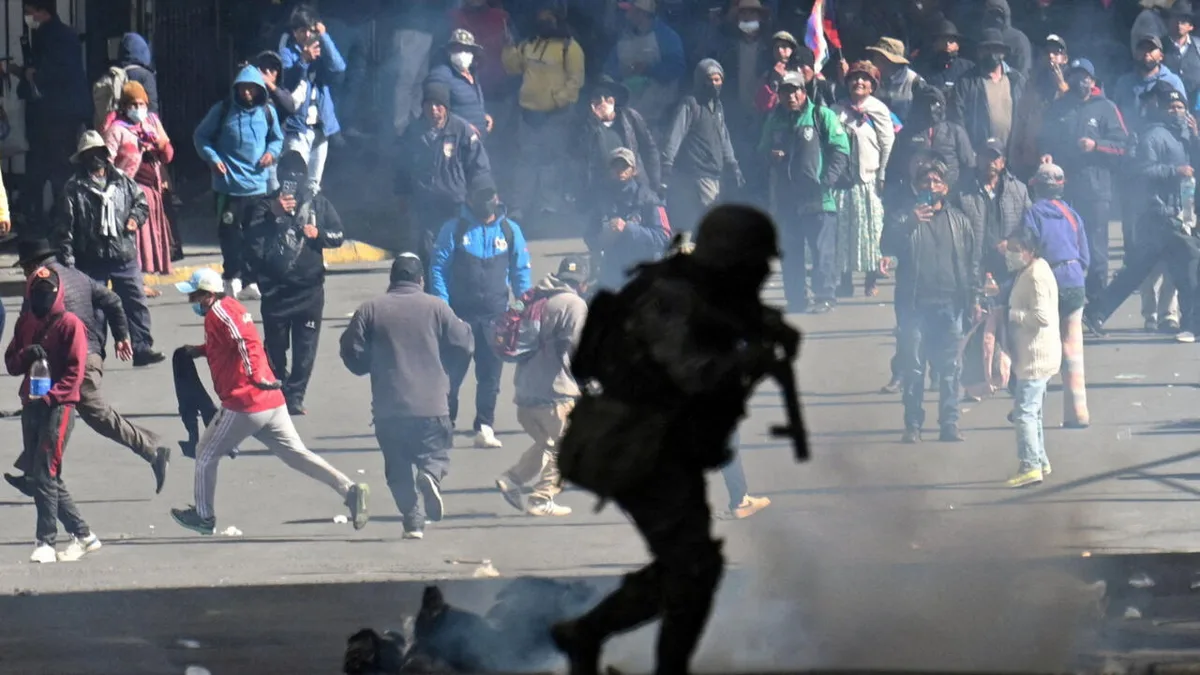
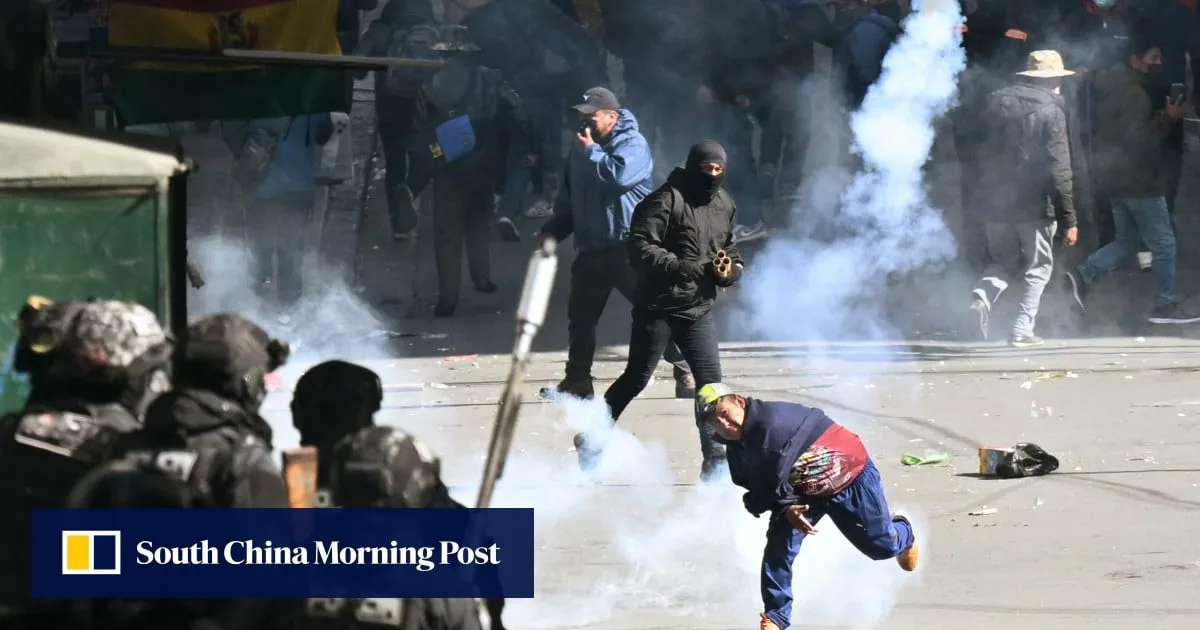
The announcement came amid nearly four weeks of political and social unrest across Bolivia. Protests led by Indigenous groups, trade unions, and low-income workers have demanded Paz's resignation, reversal of austerity measures, salary increases, and restoration of fuel subsidies [1, 2, 4, 6, 5]. These protests have included roadblocks and clashes with police, disrupting supplies and causing shortages of food, fuel, and critical medical items like oxygen, especially in La Paz [1, 2, 4, 6, 5]. Protester Marta Poma Luque said, "We are not afraid to die. We have already told him to pack his bags and leave" [6].
Rodrigo Paz took office in November 2025 inheriting an economy suffering from high inflation of around 14 percent and growing public discontent [2, 4, 6, 5]. Before the pay cut, the president's monthly salary was about 24,978 Bolivianos (approximately $3,600 USD), which was halved to about 12,489 Bolivianos ($1,800 USD) [4, 5]. Paz is considered a centre-right leader aligned with business interests, contrasting with previous leftist governments [2, 5].
Despite the salary reductions and other conciliatory gestures, protests and blockades have continued with sporadic violence between demonstrators and police in La Paz [1, 4, 6, 5]. On May 28, Paz warned that Bolivia is at a "breaking point" and suggested he might declare a state of emergency to restore order. He said, "The country needs order, and is reaching breaking point. Anyone who wants to destroy the nation will have to deal with this president and the full force of the Constitution" [6].
International leaders, including Brazil's President Luiz Inacio Lula da Silva, have offered humanitarian aid and urged dialogue. Lula said, "I reiterate my solidarity with the Bolivian government and people. Dialogue must be prioritised as a way to overcome differences" [4].
Protests began earlier in May with demands for salary increases, stable fuel supplies, and repeal of agrarian reforms. Dialogue between the government and protest leaders collapsed on May 24, a day before the salary cut announcement [6, 5].
The Bolivian government faces escalating tensions and supply disruptions as the protests continue. Paz’s warning of a possible state of emergency signals a critical moment for the country’s political stability [6].