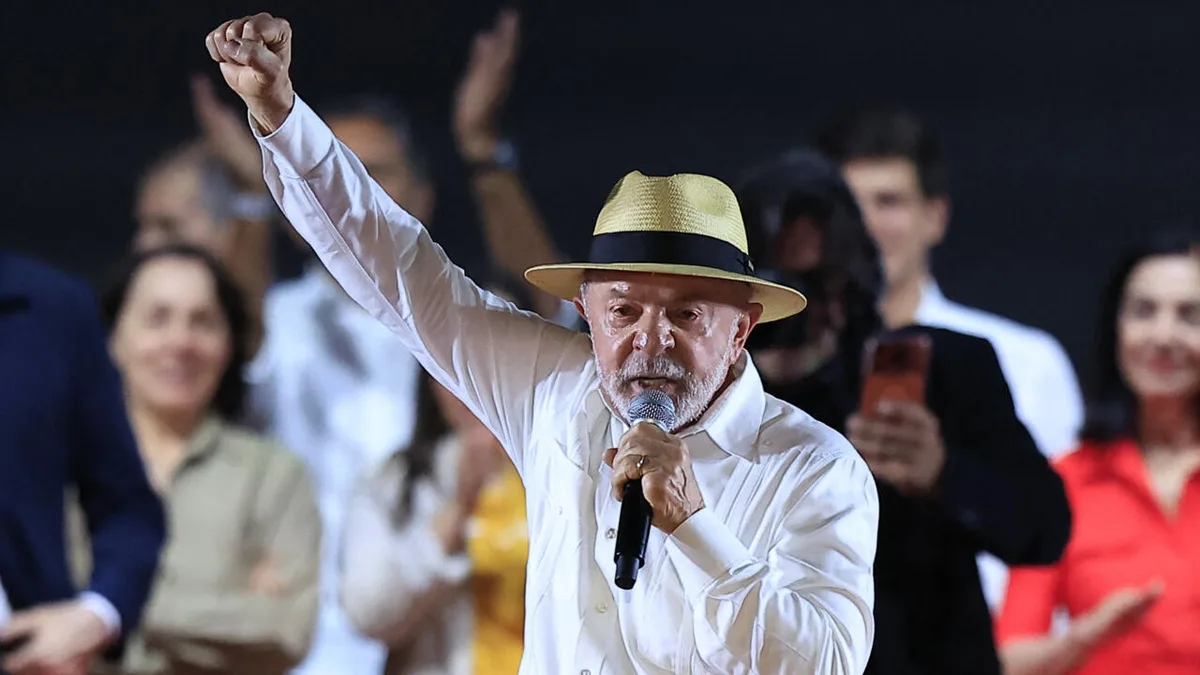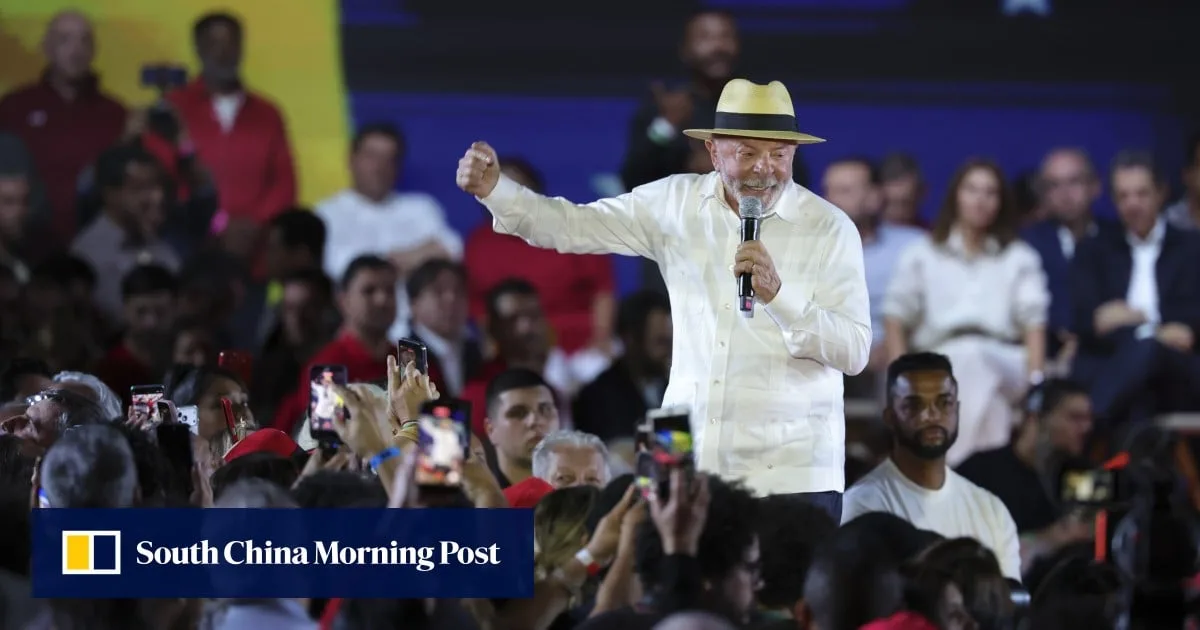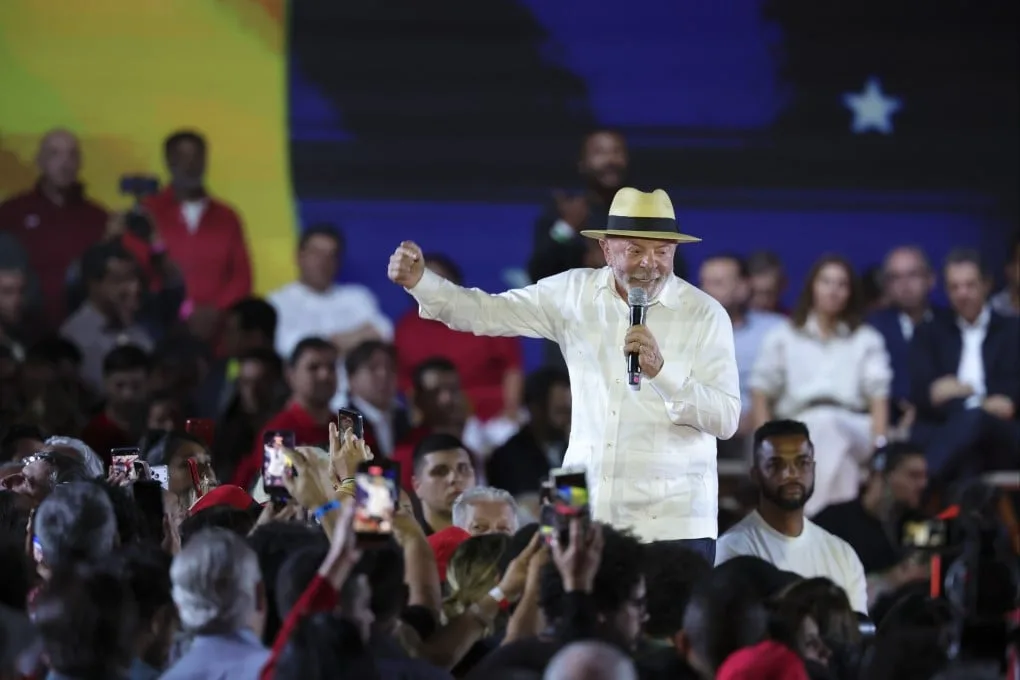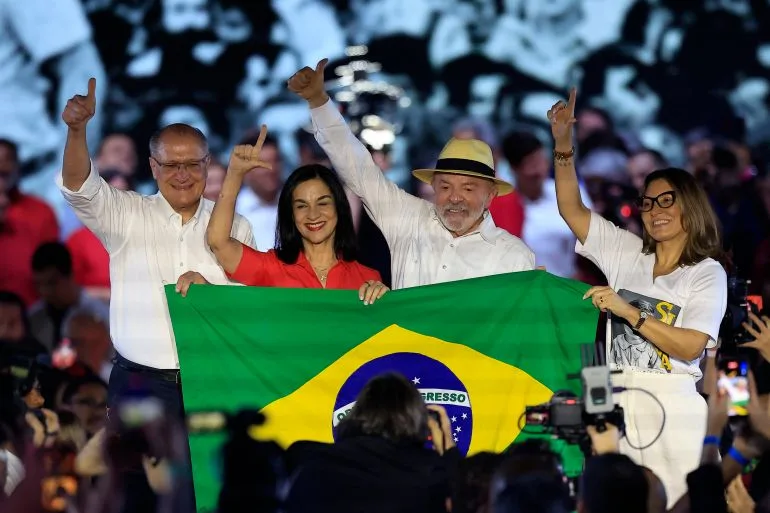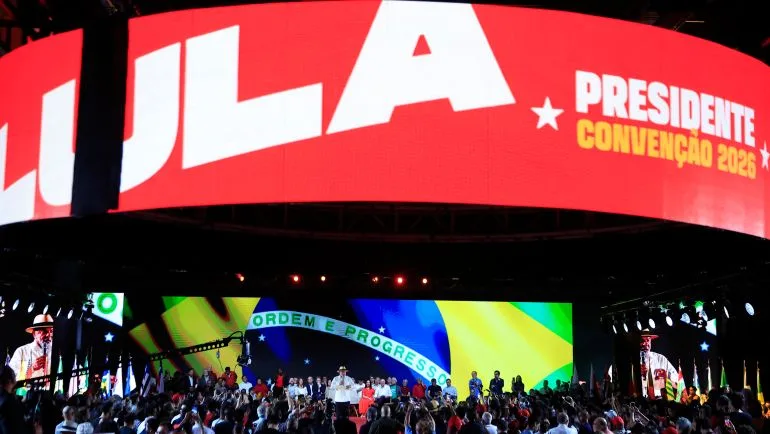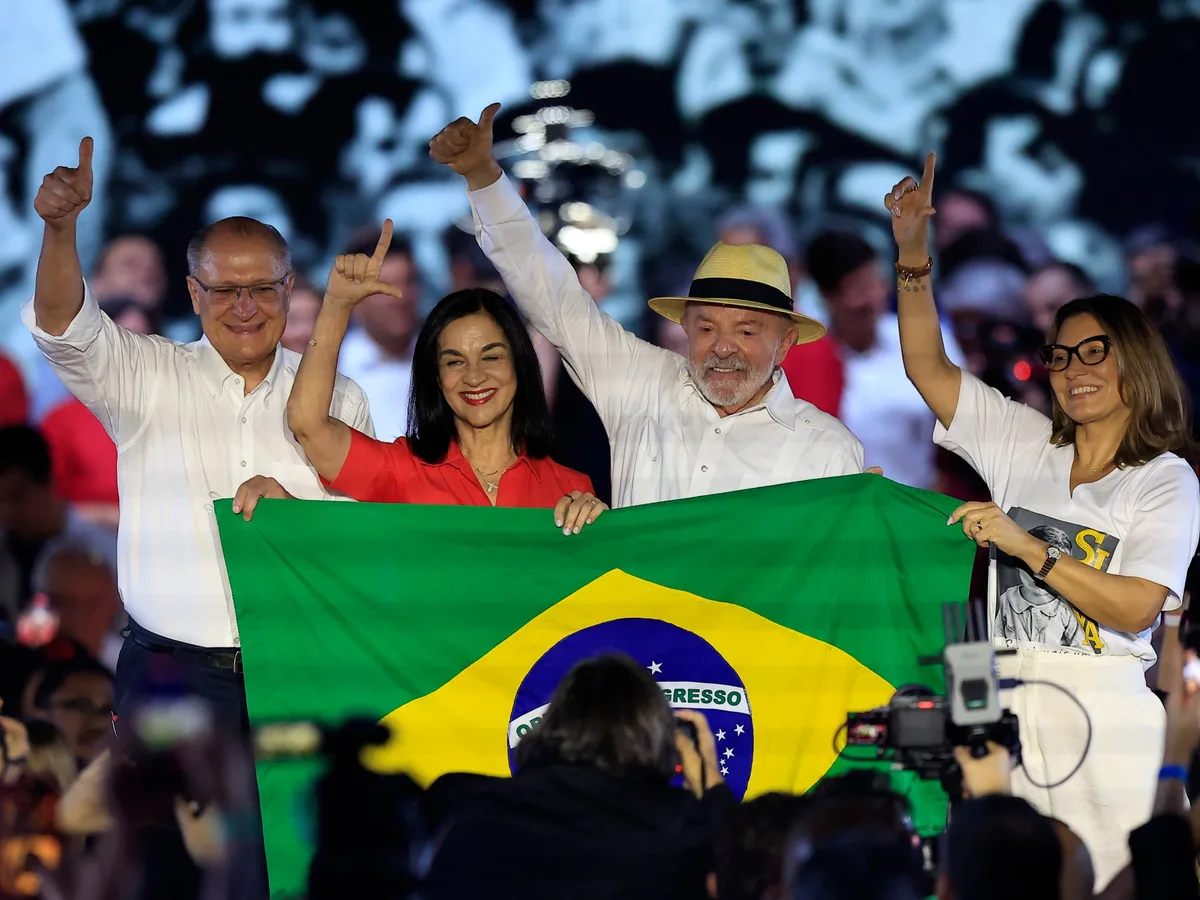
Brazilian President Luiz Inacio Lula da Silva, aged 80, officially launched his bid for a fourth term in the upcoming October 2026 elections at a Workers’ Party convention in Sao Paulo attended by around 3,000 supporters on August 2 [1, 2, 3]. This will be Lula’s seventh presidential race and, if successful, his final term in office [2, 3].
Lula, who previously served two consecutive terms from 2003 to 2010 and returned to power in 2023 after his corruption charges were annulled, emphasized his good health and stamina. “I want to fight against old age. I don’t want to be shuffling along. That’s why I work out my legs. That’s why I work out my arms. That’s why I walk for an hour,” he said, describing his fitness routines [1, 2, 4]. He also survived a serious fall in 2024 that caused a brain bleed but says he feels fitter than ever and dreams of living to 120 [4].
Brazil’s constitution allows presidents to serve two consecutive terms but permits non-consecutive terms without lifetime limits, making Lula’s fourth term legally possible [1]. The Workers’ Party formally endorsed his candidacy at the convention, where Lula positioned the election as a choice between defending Brazil’s sovereignty and yielding to foreign influence [1, 2, 3]. He expressed concerns about protecting Brazil’s rare mineral resources from exploitation by powers like China, the US, and France. “I want to be prepared, so that no one invades this country,” he said, adding, “In Brazil, we do not accept anyone sticking their nose where it does not belong” [2, 3].
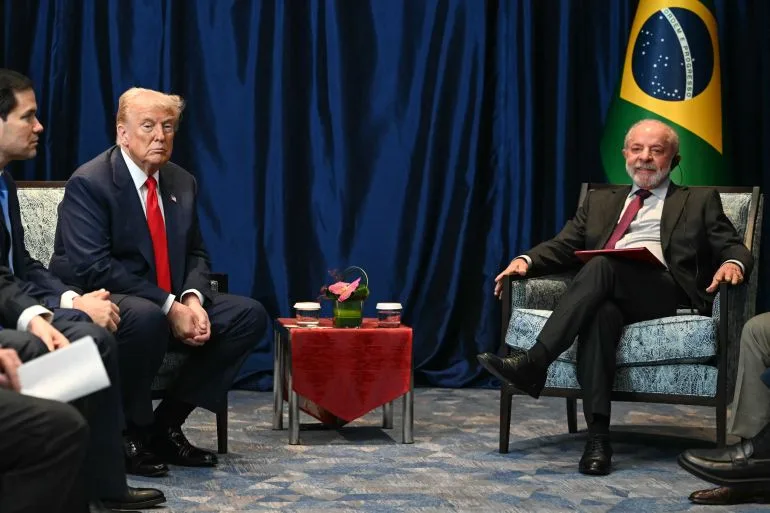
Lula sharply criticized his main rival, Senator Flávio Bolsonaro, associating him with former US President Donald Trump. Flávio Bolsonaro has received support from members of the Trump administration and right-wing Latin American leaders [2, 3]. Flávio’s father, ex-President Jair Bolsonaro, is serving a 27-year house arrest sentence for attempting a coup [2, 3, 4].
Workers’ Party chairman Edinho Silva declared, “This election in Brazil determines the future of Latin America,” highlighting the regional importance of the vote [2].
The presidential election is set for October 2026, with campaigning underway following Lula’s announcement earlier this month [1, 2, 3].