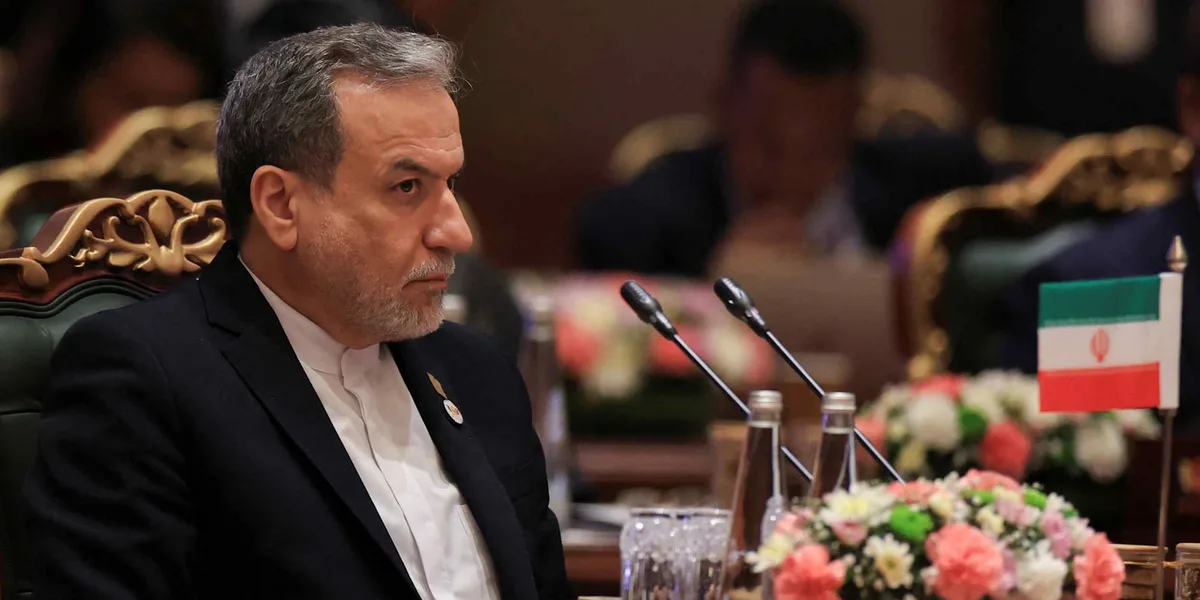
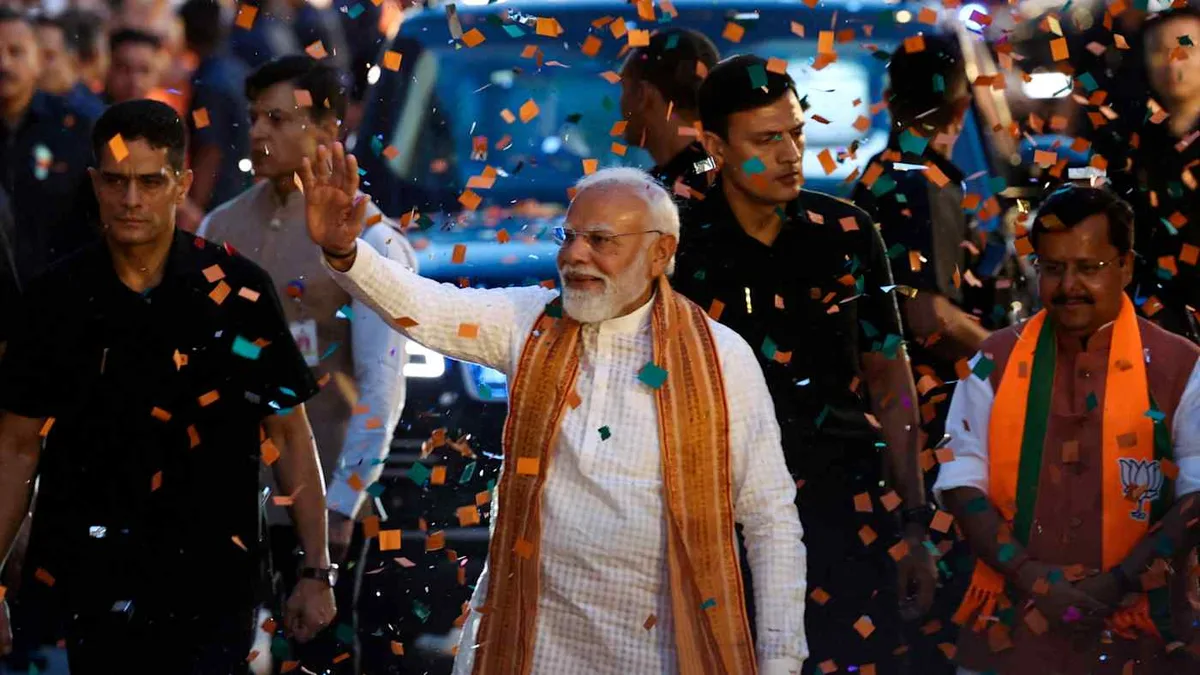
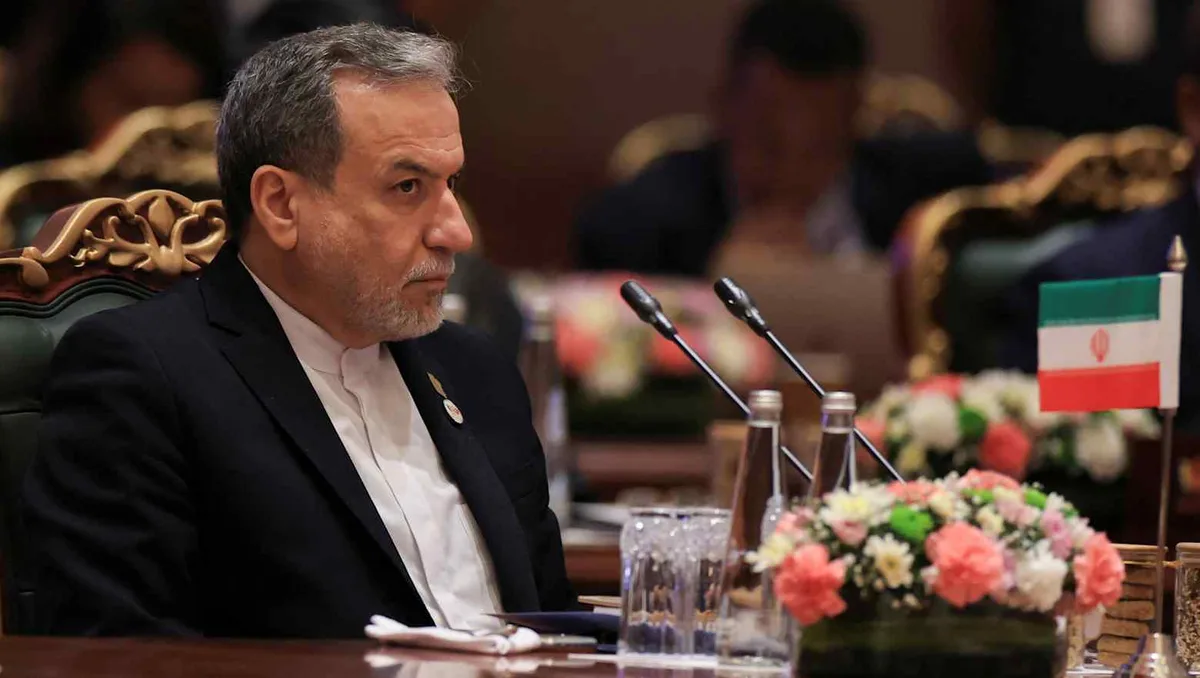
The BRICS foreign ministers' meeting held in New Delhi from May 14 to 15 ended without a joint statement amid sharp divisions over the ongoing Middle East conflict, particularly the war involving Iran. India chaired the two-day meeting attended by 11 BRICS members, including Iran and the United Arab Emirates (UAE) [1, 2, 3].
India’s government acknowledged there were "differing views among some members regarding the Middle East situation," which led to the absence of a unified statement. Instead, India released a chair’s statement and an outcome document summarizing the discussions [1, 3].
Central to the discord were conflicting accusations between Iran and the UAE. Iran accused the UAE, a BRICS+ member, of complicity in U.S.-Israeli military strikes against Iran. Iranian Foreign Minister Abbas Araghchi stated, "We have no difficulty with that certain country, they have not been our target in the current war. We only hit American military bases and American military installations, which are unfortunately on their soil," referring to UAE territory [2, 4].
The UAE strongly rejected Iran’s accusations. Minister of State Khalifa bin Shaheen Al Marar called Iran’s claims attempts to justify terrorist attacks and noted Iran has launched "approximately 3,000 attacks on the UAE using ballistic missiles, cruise missiles and drones." He said Iran "should take full responsibility for these acts and we have full ability to respond to unjustified aggression" [2, 4].
Iran also accused the UAE of hindering international maritime shipping routes, including those near the Strait of Hormuz, increasing regional tensions [4, 5].
Despite these divisions, BRICS ministers agreed on calls for reforms of global governance institutions such as the United Nations and Security Council. They emphasized the need for greater representation of Global South countries and the promotion of a multipolar world order [2, 4, 5].
The foreign ministers expressed grave concern over the situation in Gaza. They urged adherence to ceasefire agreements, full humanitarian access, Israeli withdrawal, and respect for international law [2, 3].
Iran expressed hopes that BRICS members could improve unity by the next BRICS summit scheduled later this year, signaling a continuing effort to address internal tensions [4, 5].
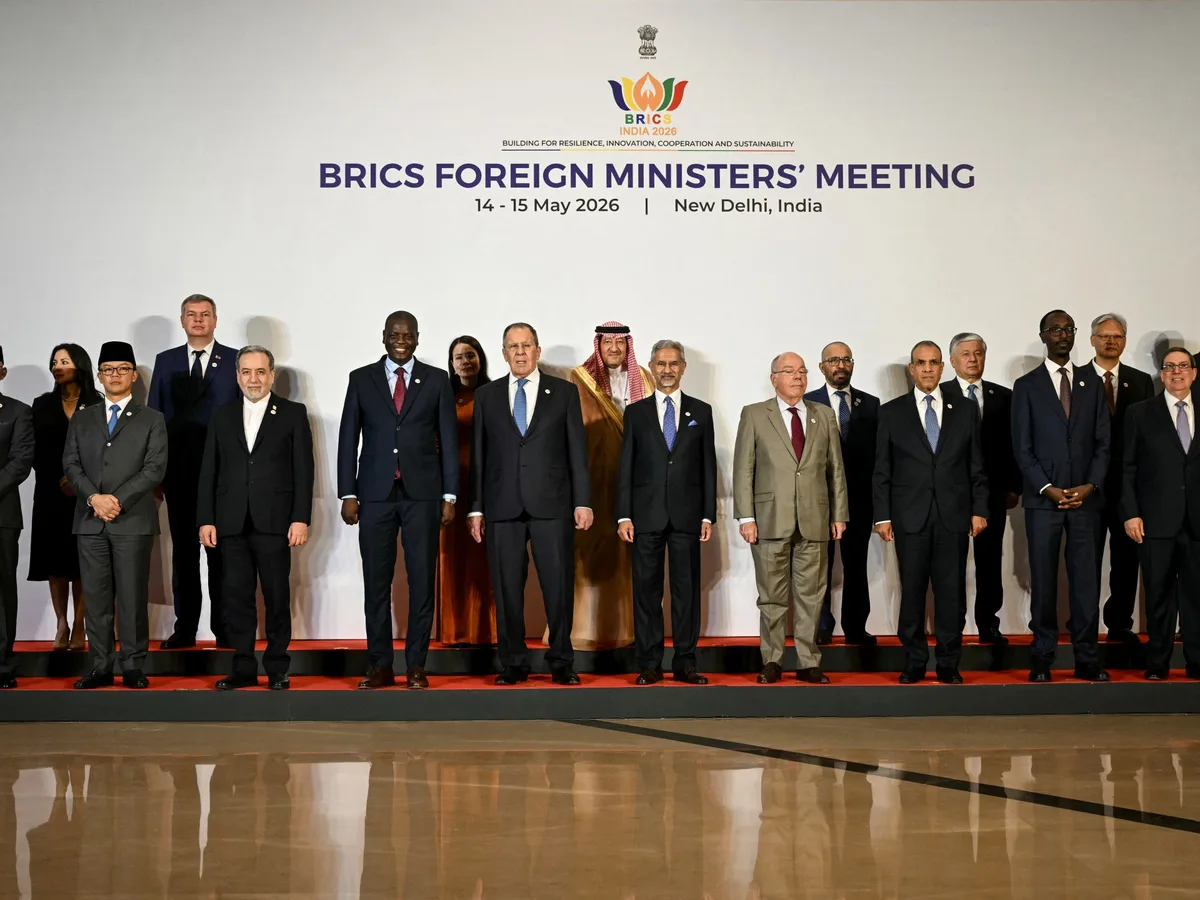
![Foreign ministers and senior officials from partner countries gather during the BRICS foreign ministers’ meeting at the Bharat Mandapam in New Delhi on May 14, 2026 [AFP]](/uploads/2026/05/15/8b0001d7cee475747b77d6e4.webp)