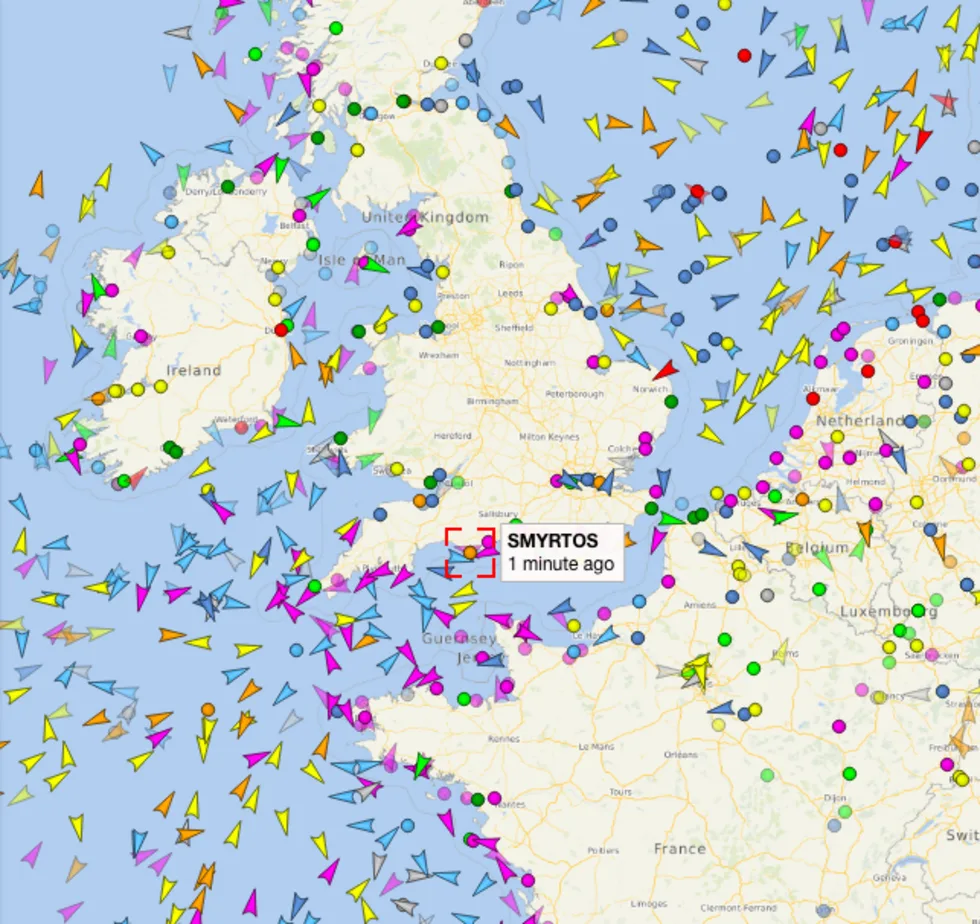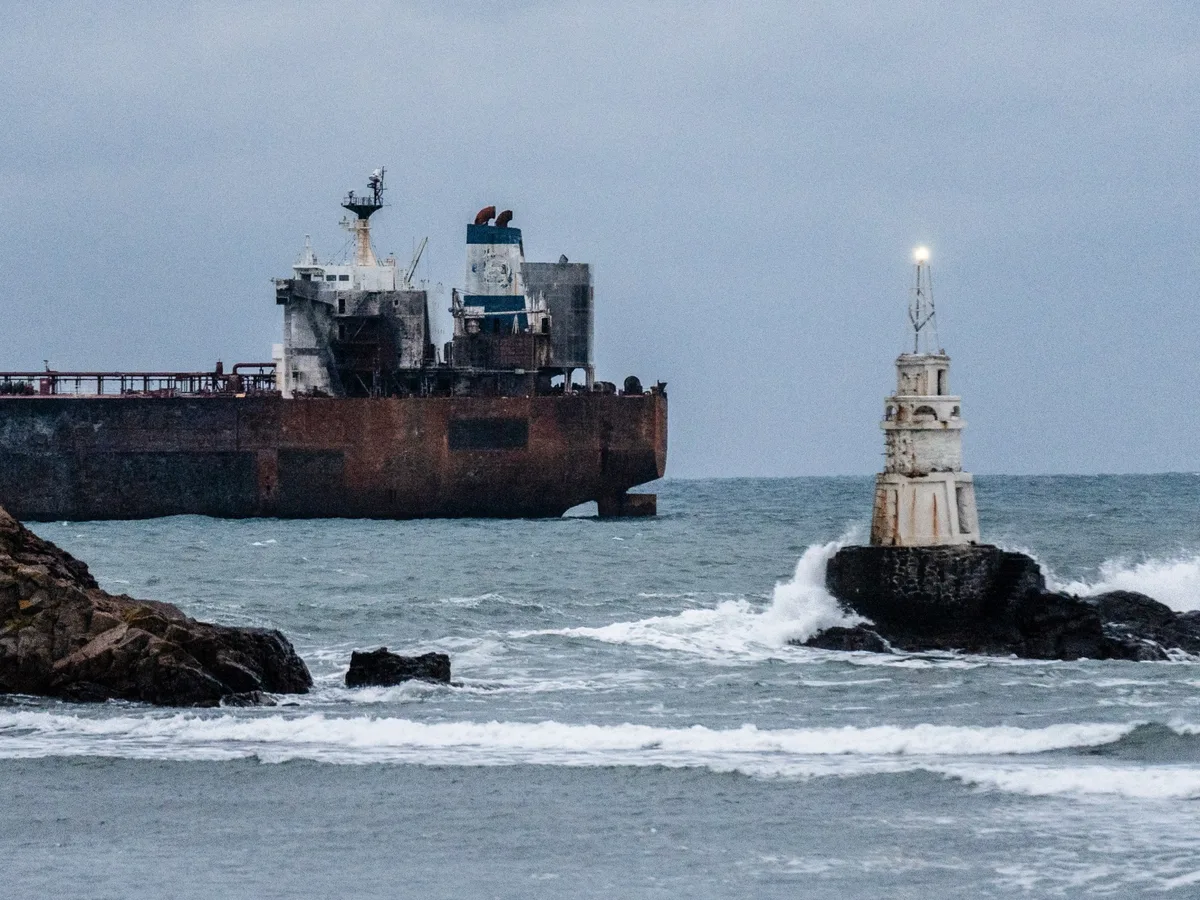
British forces intercepted the Russian shadow fleet oil tanker SMYRTOS in the English Channel on June 14, 2026, stopping it near Weymouth off the south coast of England [1, 2, 3]. The Royal Marine Commandos and specially trained officers from the UK’s National Crime Agency boarded the vessel during a six-hour operation [1, 2, 3, 4]. SMYRTOS was sailing under the Cameroonian flag at the time [3, 5, 4].
The UK Ministry of Defence said the operation complied with domestic and international law [1, 6, 3]. The interdiction involved support from Maritime Air Group aircraft—including Chinook helicopters, Merlin Mk4, and Wildcat helicopters—an RAF P-8 surveillance plane, and the frigates HMS Sutherland and HMS Ledbury [3, 7, 8]. The French military cooperated closely in the operation [3, 7, 8].
The UK government sanctioned more than 500 vessels thought to be part of Russia’s shadow fleet, with some sources citing nearly 600 [3, 5, 9, 7, 8]. This fleet carries roughly 75% of Russia’s sanctioned oil exports, helping fund Moscow’s war in Ukraine [3, 7]. Russia’s oil and gas revenues fell about 24% in 2025, partly due to sanctions and interdictions like this one [3, 4, 9].
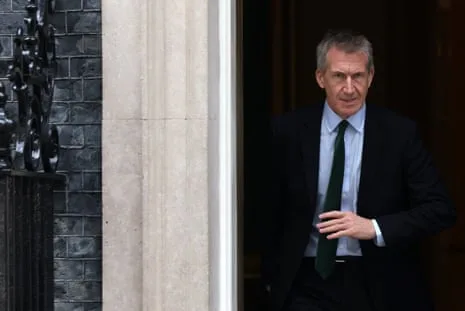
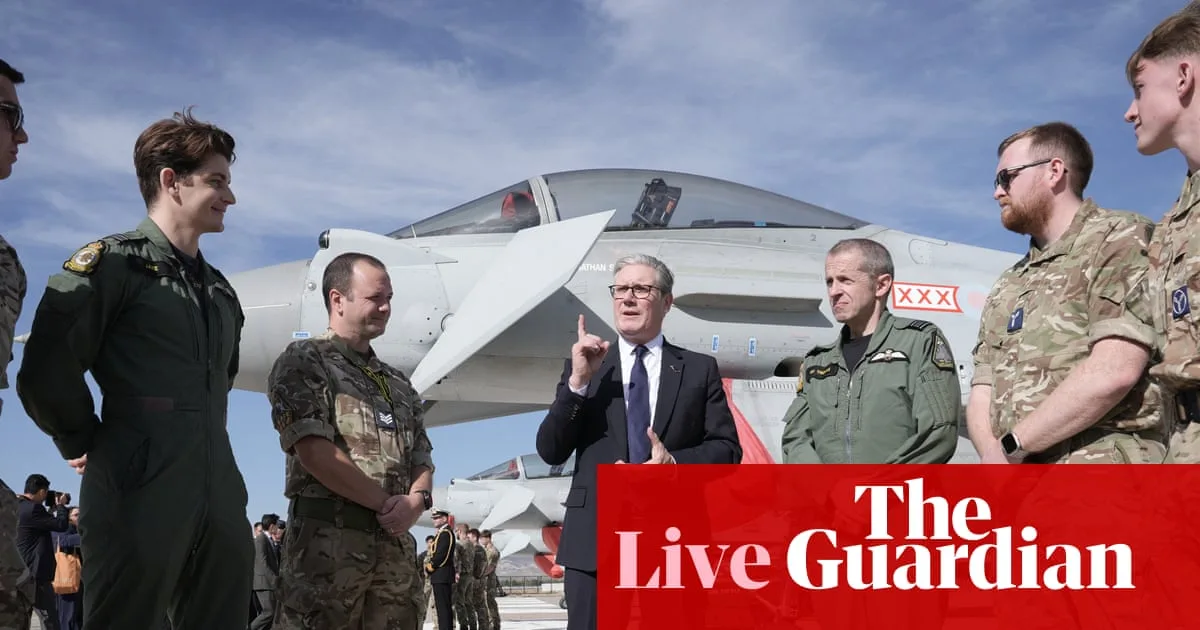
Prime Minister Keir Starmer said the operation delivered "yet another blow to Russia" and warned those backing Putin’s war that they "will not let them hide" [1, 2]. He thanked the armed forces and law enforcement officers involved for keeping the country safe year-round [10]. Defence Secretary Dan Jarvis praised the forces’ skill and courage, saying the interdiction dealt a blow to "Putin’s illegal war" [2, 3].
Ukrainian President Volodymyr Zelensky thanked the UK for detaining the tanker and called for stronger European laws to allow confiscation of oil carried by such vessels [5].
The UK began authorizing boarding and seizure of shadow fleet ships in March 2026 [7, 8]. Previous operations included French-led seizures of Russian tankers Grinch in January and Deyna in March [4, 7]. SMYRTOS is now held and monitored near Weymouth [1, 2, 3].