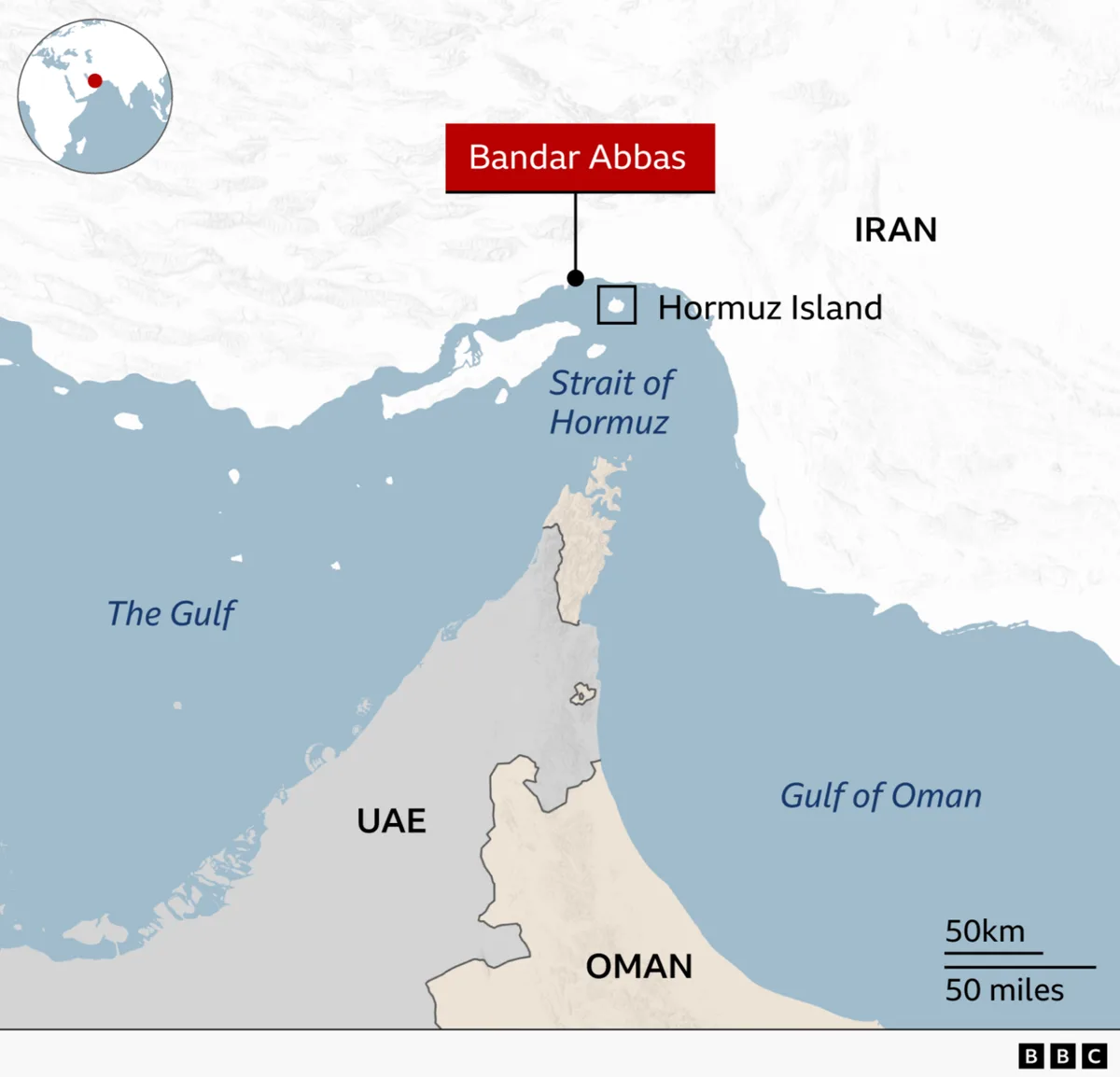
The Strait of Hormuz, a vital global shipping lane and focal point of conflict since February 28, 2026, has seen a partial return to calm after weeks of tension [1, 2, 3]. The US and Israel launched attacks beginning February 28, sparking hostilities centered on the strategic waterway [1, 2, 3]. Iran's Islamic Revolutionary Guards Corps (IRGC) responded by firing on commercial ships without permission, effectively blocking the passage [1, 2, 3]. In turn, the US imposed a blockade on vessels using Iranian Gulf ports [1, 2, 3].
Due to the fighting and military threats, most fishermen stopped working in these waters for months, though some persisted despite the risks [1, 2, 3]. After a ceasefire agreement reached several weeks before August 2026, the Strait partially reopened. Calm returned to the sea, allowing fishermen to return to their activities [1, 2, 3].
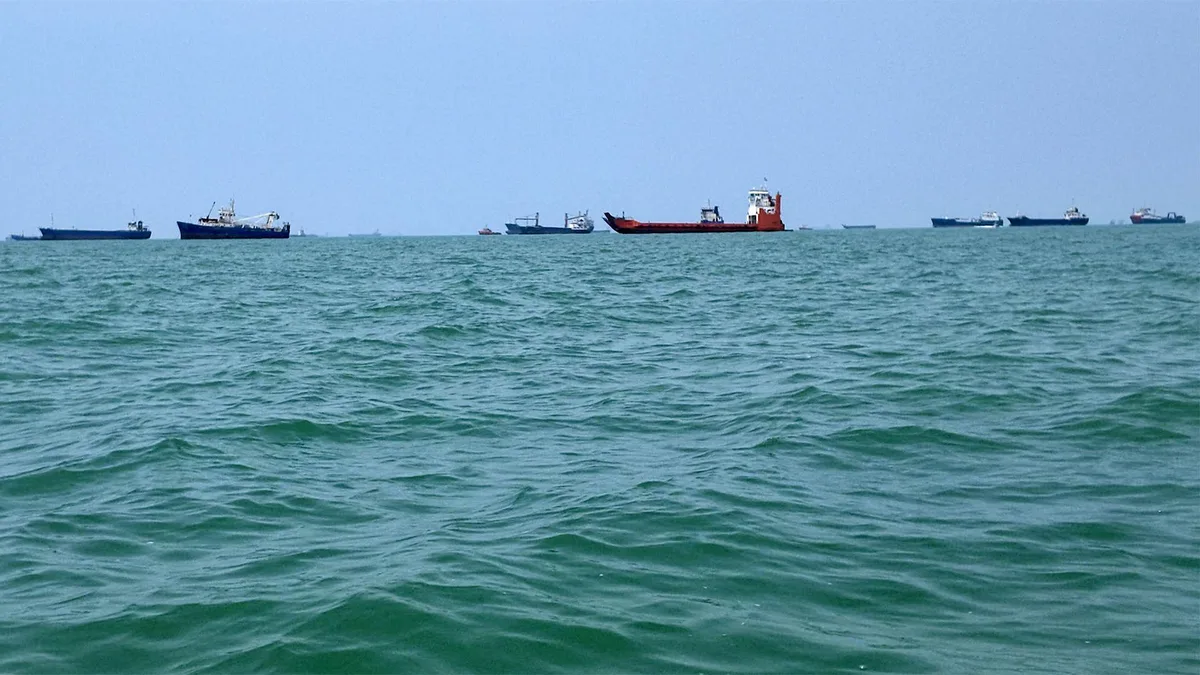
However, two cargo ships seized by the IRGC in April 2026, the Panama-flagged MSC Francesca and Liberia-flagged Epaminondas, remain detained despite the ceasefire [1, 2, 3]. Numerous other cargo ships anchor offshore, awaiting Iranian approval to transit the strait [1, 2, 3].
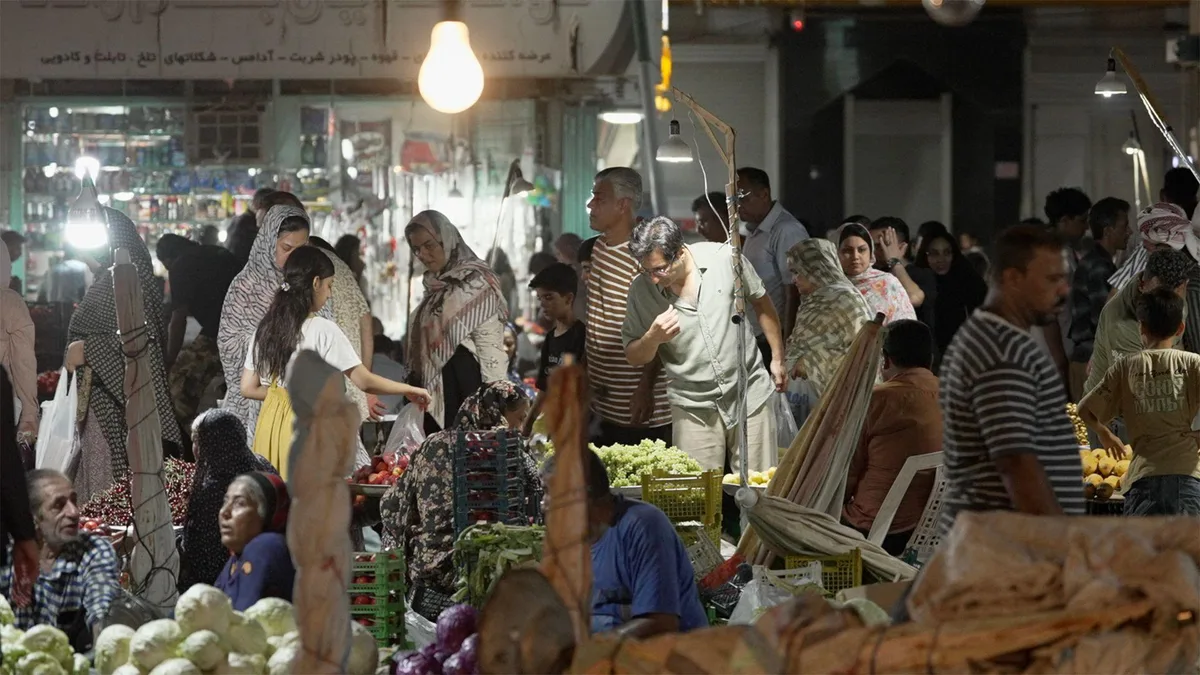
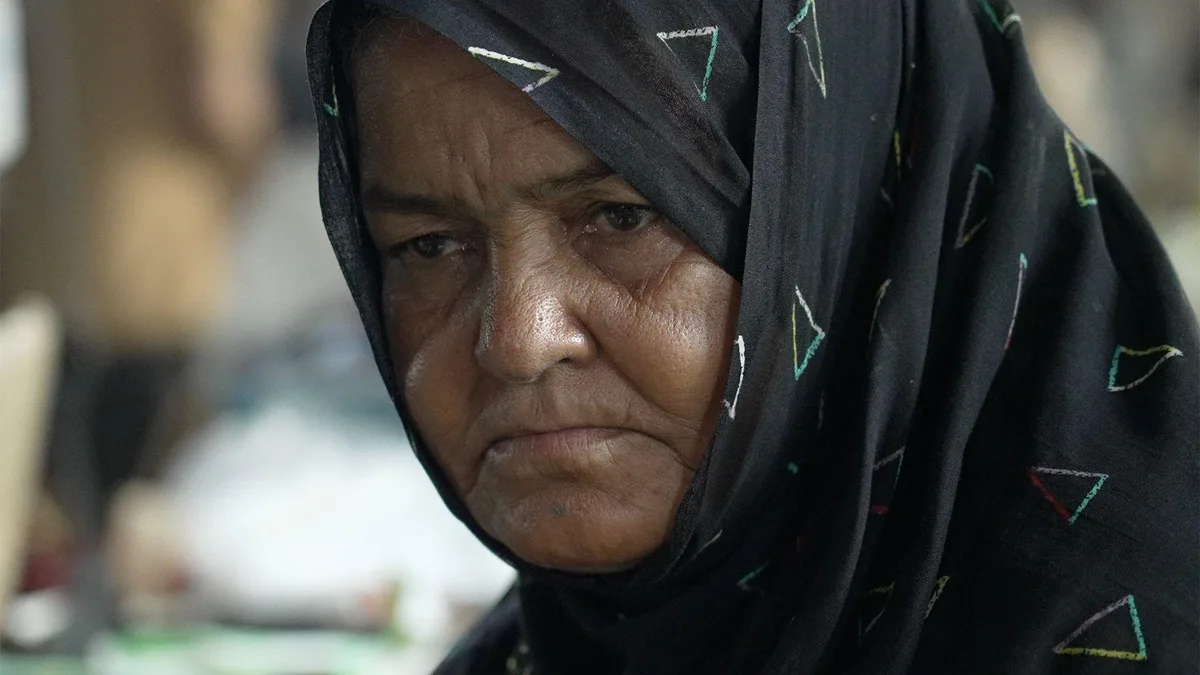
Bandar Abbas, an Iranian port city on the Strait serving as a strategic naval base for Iran's navy and IRGC, is gradually returning to normal life. Shops have reopened and streets are busy again, although damage from months of conflict remains visible [2, 3]. On March 26, 2026, Israeli airstrikes hit a residential building in Bandar Abbas, killing three civilians, including a military officer who lived there with his family; the building was not a military base [2, 3]. Local businesswoman Fatima said, "I know many families here, including mothers and children. When the attack happened, they were asleep. Some survived but three died, including an officer living with his family. This was not a military base" [2].
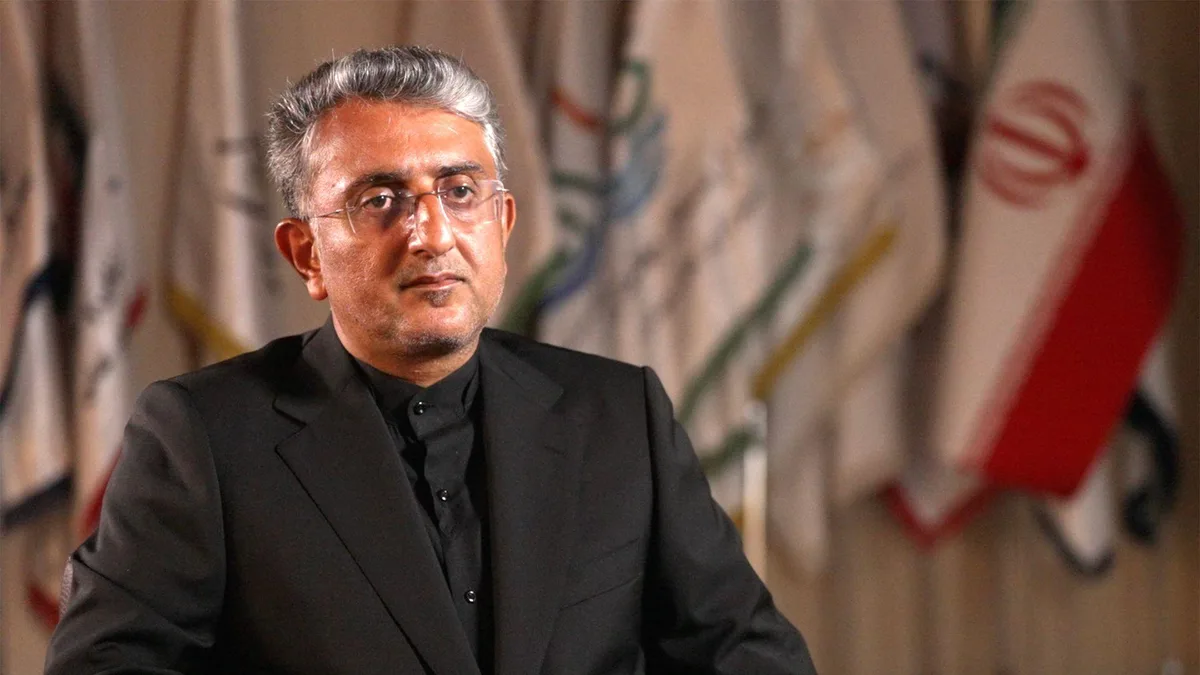
Between late February and early April, US forces carried out at least 96 airstrikes in the Bandar Abbas area, with over one-third targeting military sites near residential zones [2, 3]. The Iranian Red Crescent reported 261 deaths in Hormozgan Province during the conflict, including civilians and military personnel [2, 3]. Israeli strikes targeted IRGC naval commander Alireza Tangsiri, who was confirmed dead about four days after being hit [2, 3]. Mayor Mehdi Nobani said Israel and the US failed to achieve their objectives, including regime change, stating, "Israel and the US did not achieve their military goals, including overthrowing the Iranian regime" [2].
Despite US President Donald Trump's threats to escalate the conflict and warnings about Iranian closure of the Strait, Iran has not fully reopened the passage since the ceasefire [2, 3]. The partial reopening has allowed maritime activity to resume but has not resolved the detention of seized vessels.
The Strait of Hormuz remains crucial to global energy supplies, with about one-fifth of the world's oil and gas shipments normally passing through this narrow waterway [2, 3]. The next developments are expected as negotiations continue over the fate of the detained ships while maritime traffic cautiously increases.