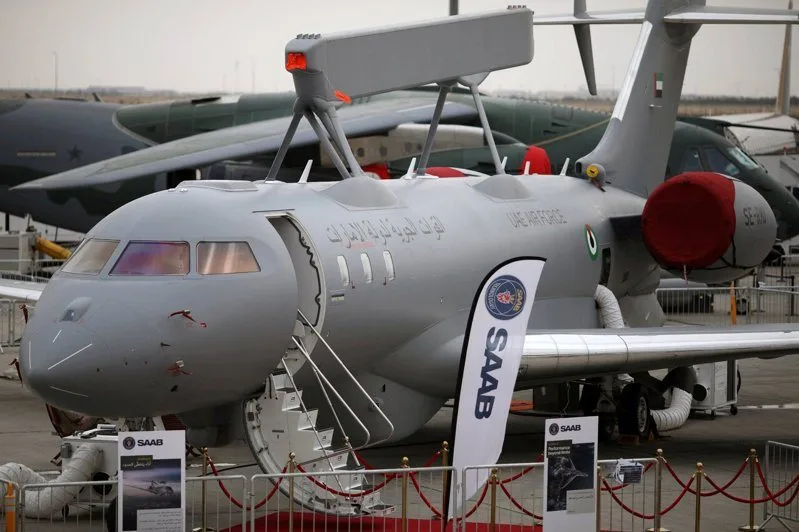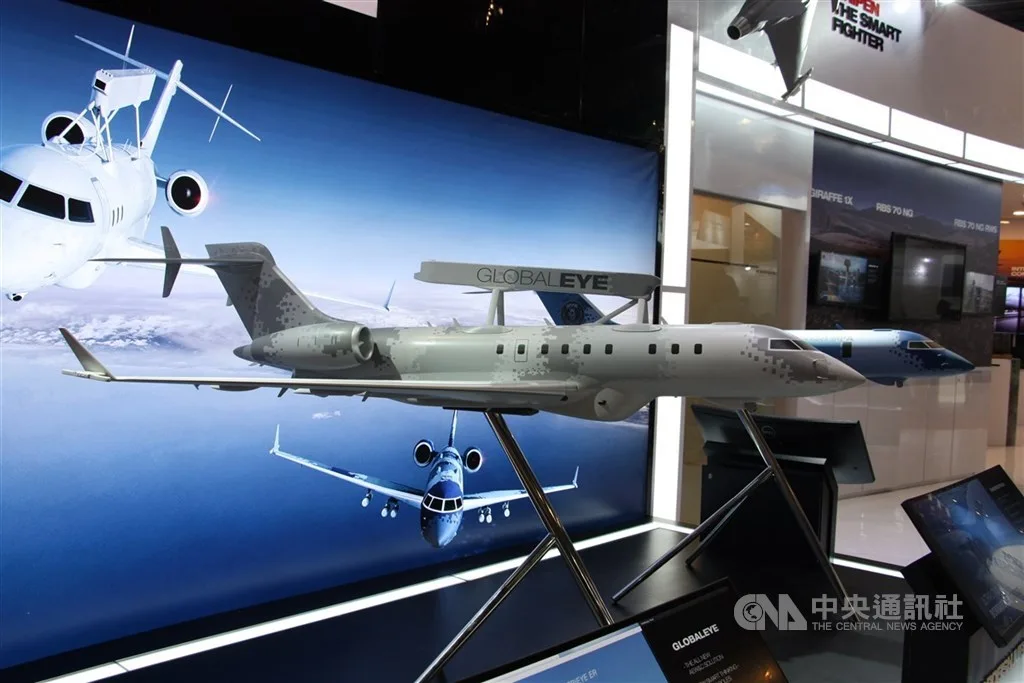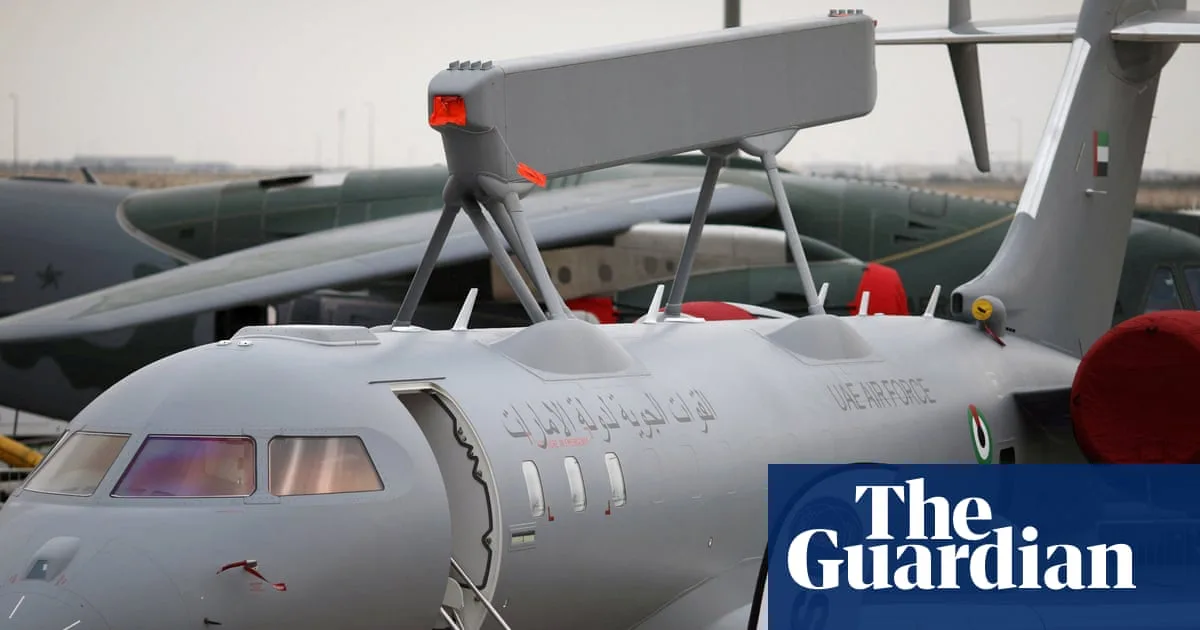
Canada announced on May 27, 2026 that it will purchase six Saab GlobalEye early warning aircraft, opting for the Swedish system over Boeing's E-7 Wedgetail planes [1, 2, 3, 4, 5, 6, 7].
The GlobalEye is built on Bombardier's Global 6500 jet and features Saab's Erieye ER AESA radar, capable of air surveillance beyond 650 kilometers, as well as ground and sea monitoring capabilities [1, 2, 4, 5, 6, 7]. The choice comes amid Boeing’s E-7 Wedgetail program facing significant delays and cost overruns, factors contributing to Canada’s decision to pivot toward Saab [1, 2, 3, 4, 5, 6, 7].
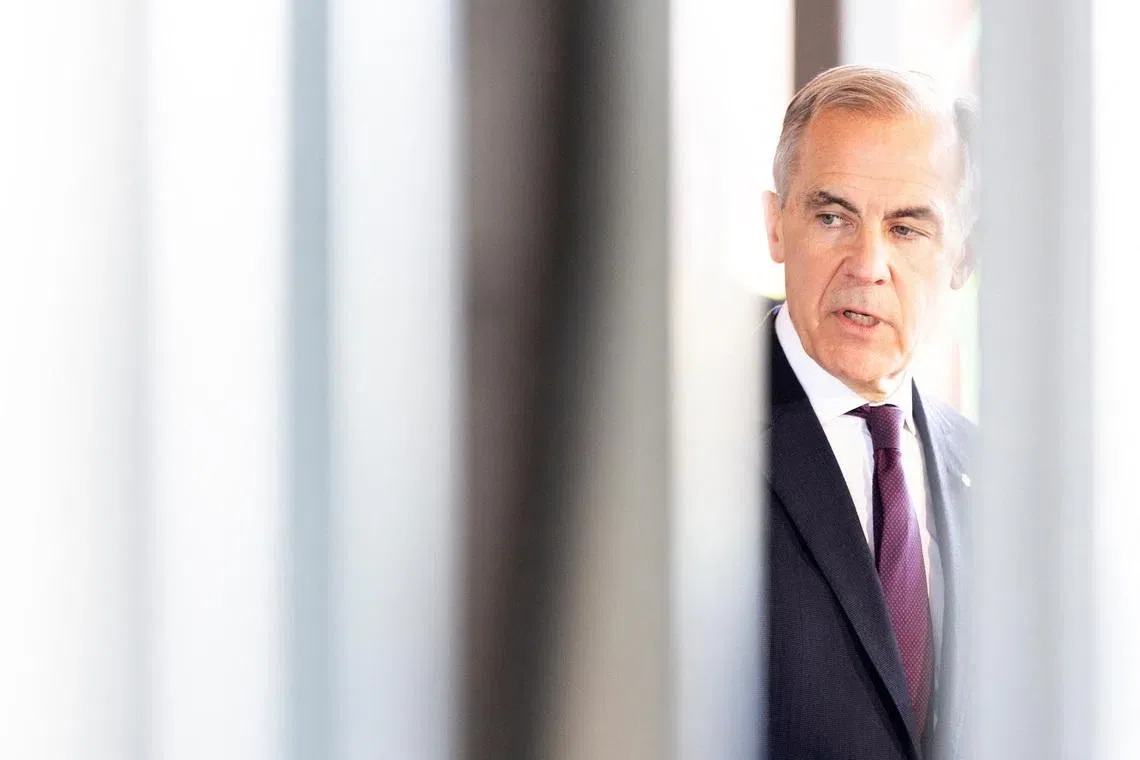
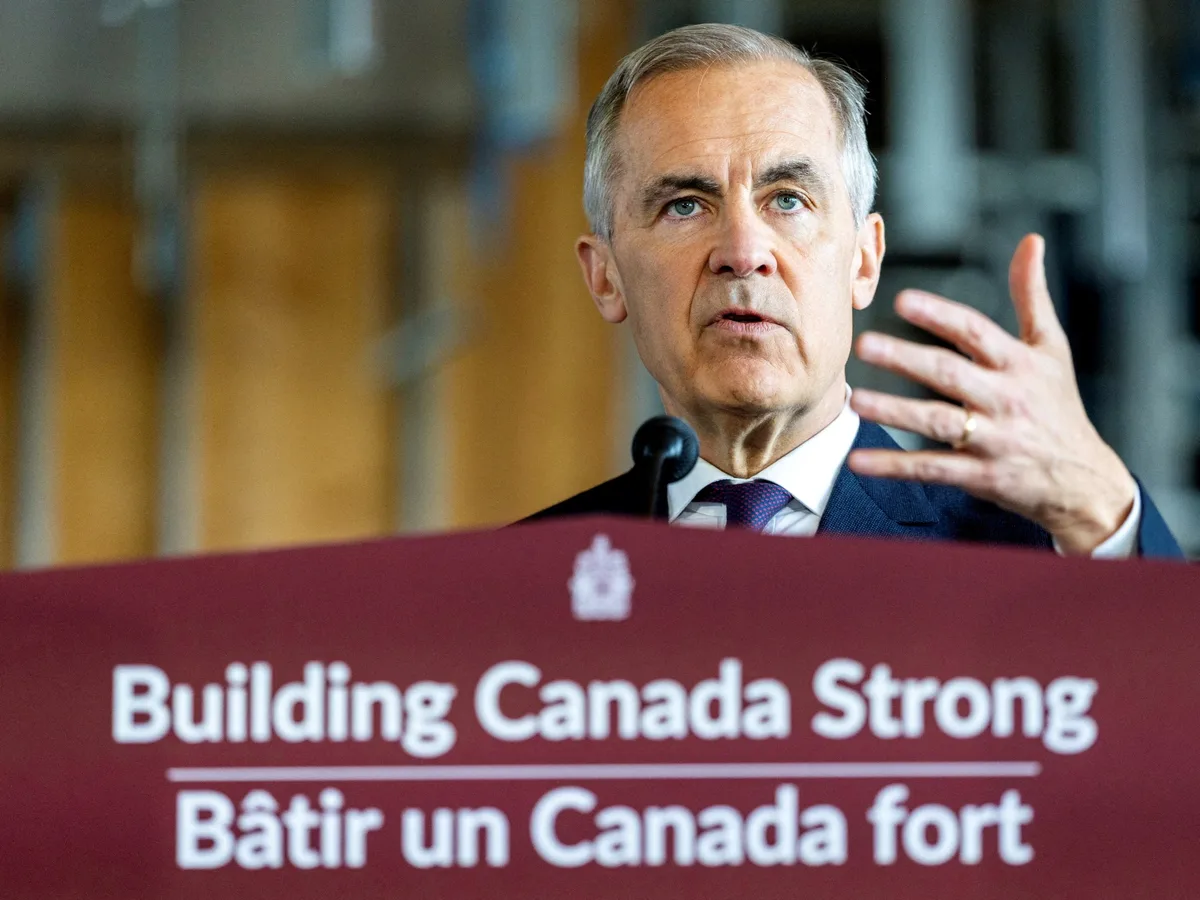
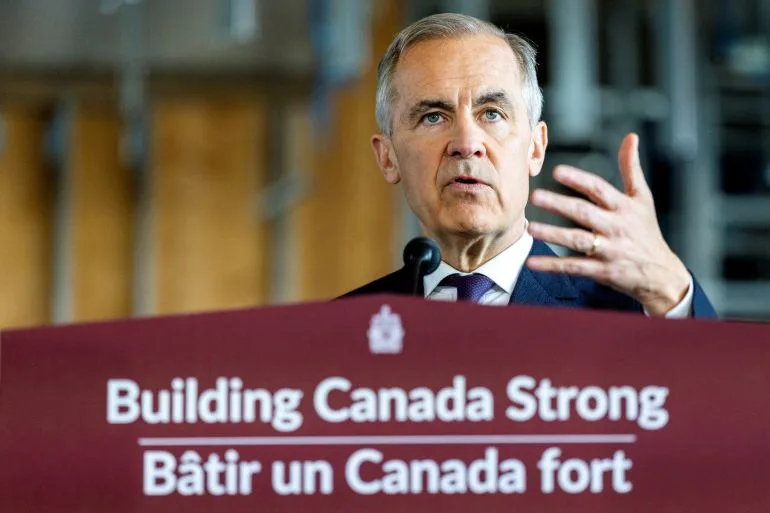
Prime Minister Mark Carney said the acquisition "builds Canadian strategic autonomy, creates Canadian jobs, and reinforces Canada's position as a global leader" [1]. He added that with its advanced sensors and mission systems, "Saab’s GlobalEye will be a key resource for the Canadian Armed Forces to detect and deter threats across the Arctic" [2, 4]. Canada aims to reduce reliance on US defense firms, especially after last year’s trade tensions and tariffs imposed by the US [1, 2, 4, 5, 6, 7].
Military officials have indicated that Canada plans to acquire a fleet of six early warning planes as part of this deal [2, 3, 4, 5, 6, 7]. The country also has a separate contract to buy 88 Lockheed Martin F-35 fighter jets but is reviewing whether some orders could be cut to consider other manufacturers like Saab’s Gripen [1, 2, 3, 6, 7].
Carney pledged in March 2026 that Canada will take full responsibility for defending its Arctic territory of over 4.4 million square kilometers, meeting NATO’s 2% GDP defense spending target [2, 3, 4, 5, 6, 7]. Experts see the GlobalEye procurement as a key test of the government’s effort to lessen dependence on American military suppliers. Philippe Lagasse of Carleton University called the decision "an important test case for the Carney government’s policy of pivoting away from American military capability" [2].
Swedish Prime Minister Ulf Kristersson welcomed the agreement, saying "GlobalEye is already creating jobs in Canada, and working with the Canadian supply chain. This decision ties our two nations even closer together" [2]. Saab also plans to invest in research and development within Canada as part of the deal, further strengthening bilateral defense ties [2, 3].
The US Pentagon cancelled plans last year to buy 26 E-7 Wedgetail aircraft, choosing to focus on satellite reconnaissance instead. Nonetheless, efforts to reinstate E-7 funding continue, with US Secretary of War Pete Hegseth testifying to Congress in May 2026 on the matter [4, 5, 6, 7].
Canada’s Saab GlobalEye aircraft are expected to play a critical role in monitoring and protecting the Arctic region, with the procurement marking the next step in the country’s military modernization and defense autonomy goals [2, 4].