Hundreds of shoppers descended on Lidl supermarkets across Paris and nearby suburbs on Thursday, July 2, trying to buy highly discounted air conditioning units amid a severe heatwave in France [1, 2, 3, 4]. The basic air conditioners were sold for as low as €179, a fraction of their typical price of over €1,200 [1, 2, 3]. This sharp discount drew large crowds, with reports of around 200 people queuing for hours before stores opened, including one man who waited seven hours from 4 a.m. to secure a unit [3, 4].
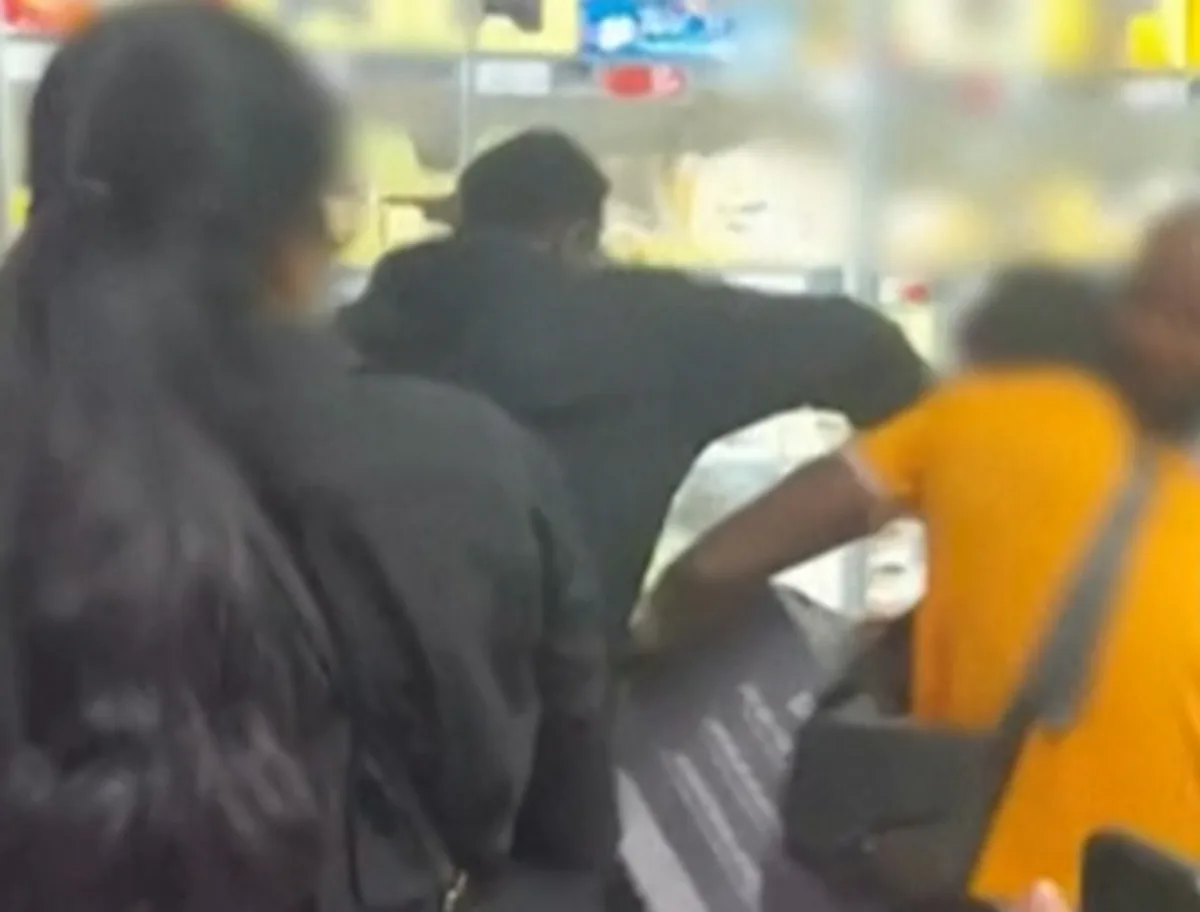
Police were called to at least two locations in the Paris area as disorder broke out. Scuffles, shouting matches, and property damage, including a broken store entrance, were reported [1, 2, 5, 3, 4]. Mousa Traore, a shopper at a Lidl store in northern Paris, said only two air conditioners were available, but police took them before customers could buy any. "But then the police came and we were told there were none. The police officers took them I think," he said [1].
Tensions rose as some customers tried to jump queues, prompting at least one store manager to threaten not to open the store unless crowds dispersed. "I am not opening the store unless you leave," the manager said [2, 3]. Shoppers accused Lidl of misleading advertising due to the limited stock and poor communication about unit availability [3, 4]. French lawmaker Karl Olive criticized Lidl, stating, "Nobody disputes that a product can become a victim of its own success. What is much harder to accept is the lack of clear information on the stocks actually available in each store" [4].
The extreme heatwave that hit France in late June has resulted in excess deaths, overwhelmed hospitals, school closures, and canceled events [1, 2, 3]. Few French homes or schools have air conditioning because of historically mild summers, leaving many vulnerable to rising heatwave frequency linked to climate change [1, 2, 3]. Lidl’s discounted air conditioner campaign aimed to offer nearly 200,000 units nationwide, but demand far outpaced supply [4].
The heatwave is expected to continue, with another round of extreme heat forecast over the weekend of July 4-5, likely keeping demand for cooling appliances high [1, 2, 3].