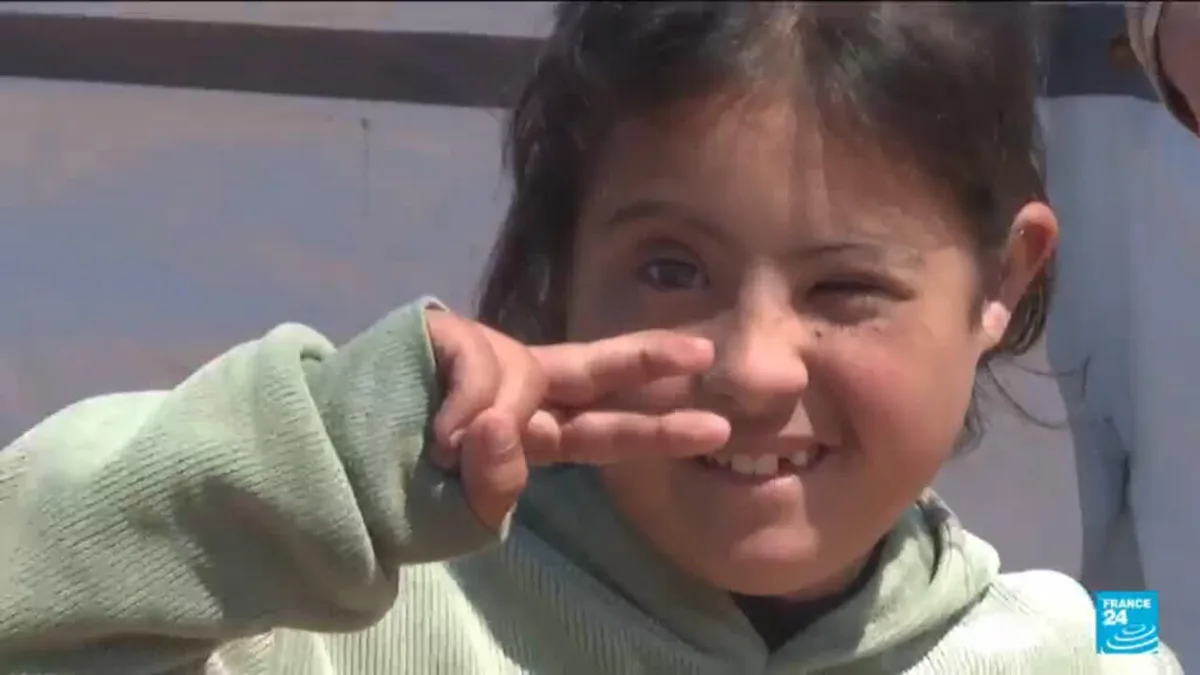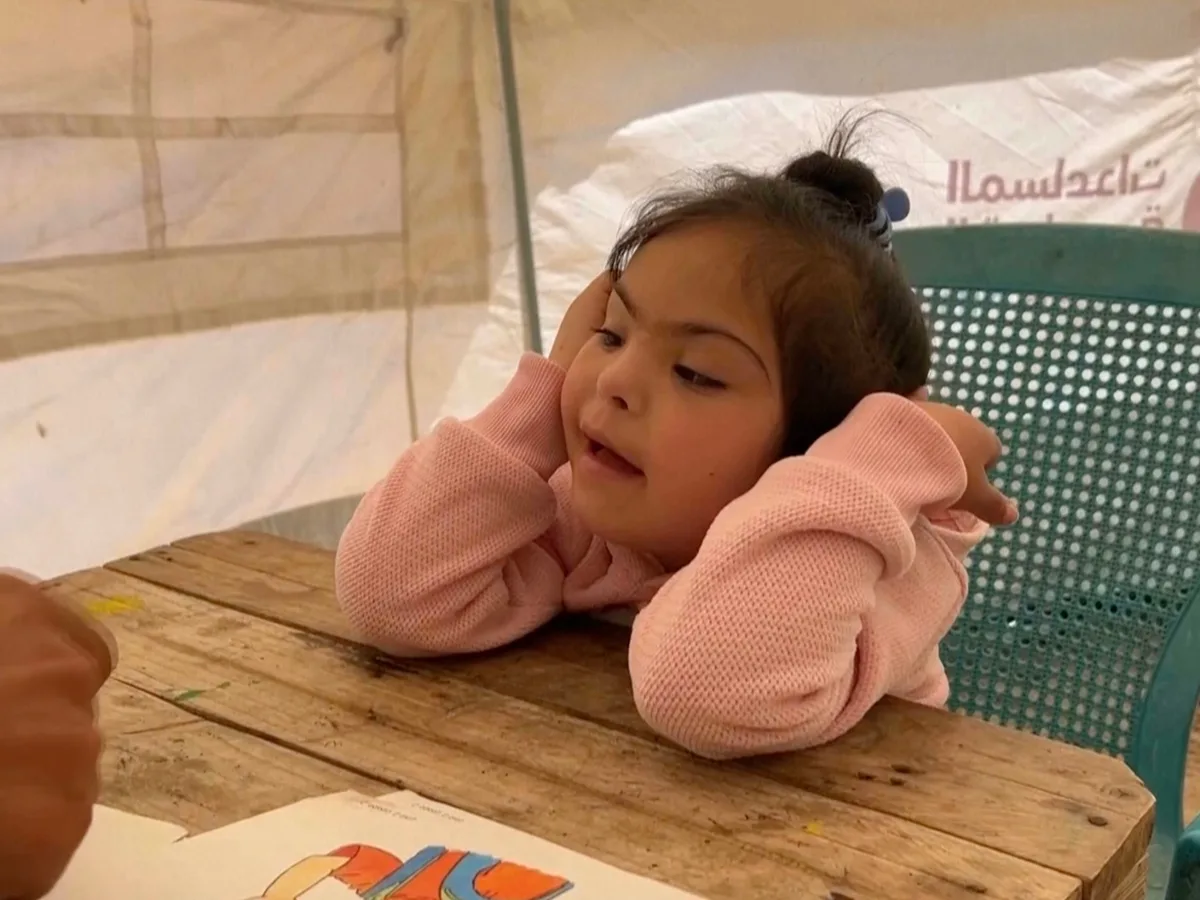
Children with Down syndrome in Gaza continue to struggle amid the devastation caused by Israel's war despite a ceasefire that has lasted seven months [1]. The region remains heavily impacted by the conflict, with ongoing challenges for vulnerable populations.
Among those affected is 12-year-old Shahd, who hides in a tent corner whenever she hears drone sounds, reflecting the deep psychological trauma endured by these children [1]. The continuing insecurity in the area perpetuates fear and disruption to their daily lives.
Reports dating back to May 28 highlighted the prolonged difficulties faced by children with Down syndrome in Gaza months after the ceasefire went into effect [1, 2]. Despite an official end to active hostilities, recovery has been slow and resources remain scarce.
Families and caregivers of children with special needs in Gaza describe limited access to medical and psychological support, compounded by damaged infrastructure and restricted movement.
The ongoing strain on these children underscores the need for focused humanitarian assistance tailored to their specific vulnerabilities.
Efforts to monitor and assist children with Down syndrome in Gaza remain active, with organizations planning further assessments and support initiatives in the coming months [1].