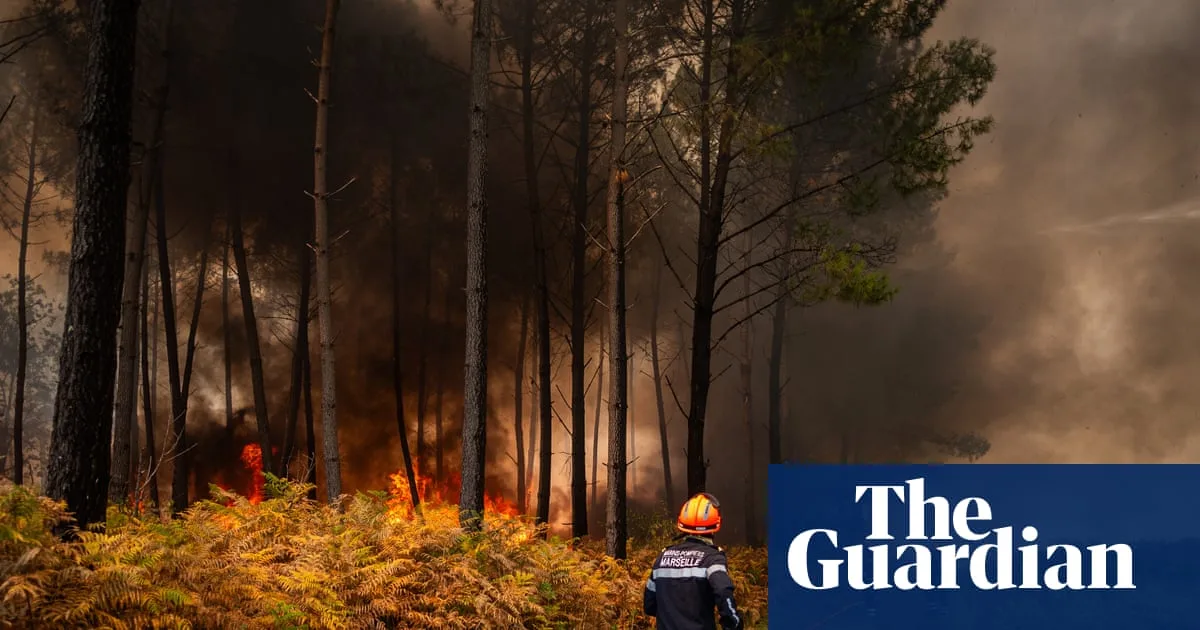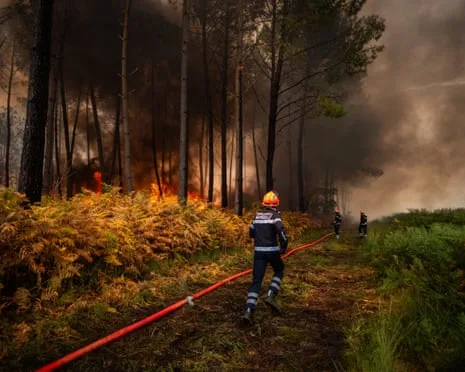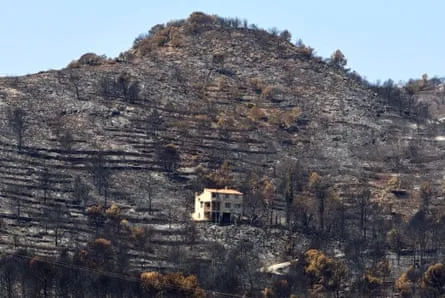
Human-driven climate change has doubled the likelihood of extreme fire-prone weather in southwestern France and increased it 20 times in central Spain, according to an analysis published July 31, 2026, by the World Weather Attribution consortium [1, 2, 3, 4].
The study identified hot, dry, and windy weather as the key factors raising wildfire risk and severity. Such extreme conditions now occur about once every 20 years in southwestern France and once every six years in central Spain under current climate patterns [1, 3, 4].
A sequence of a wet winter followed by a dry spring and summer creates "whiplash" conditions that promote rapid vegetation growth and drying, increasing the amount of wildfire fuel [1, 2, 3, 4]. January 2026 was Spain's wettest in 25 years, spurring abundant vegetation, which was then followed by the hottest summer on record, worsening drought and fire risk [1, 4]. France was undergoing its fourth heatwave during the 2026 wildfire season [1, 4].
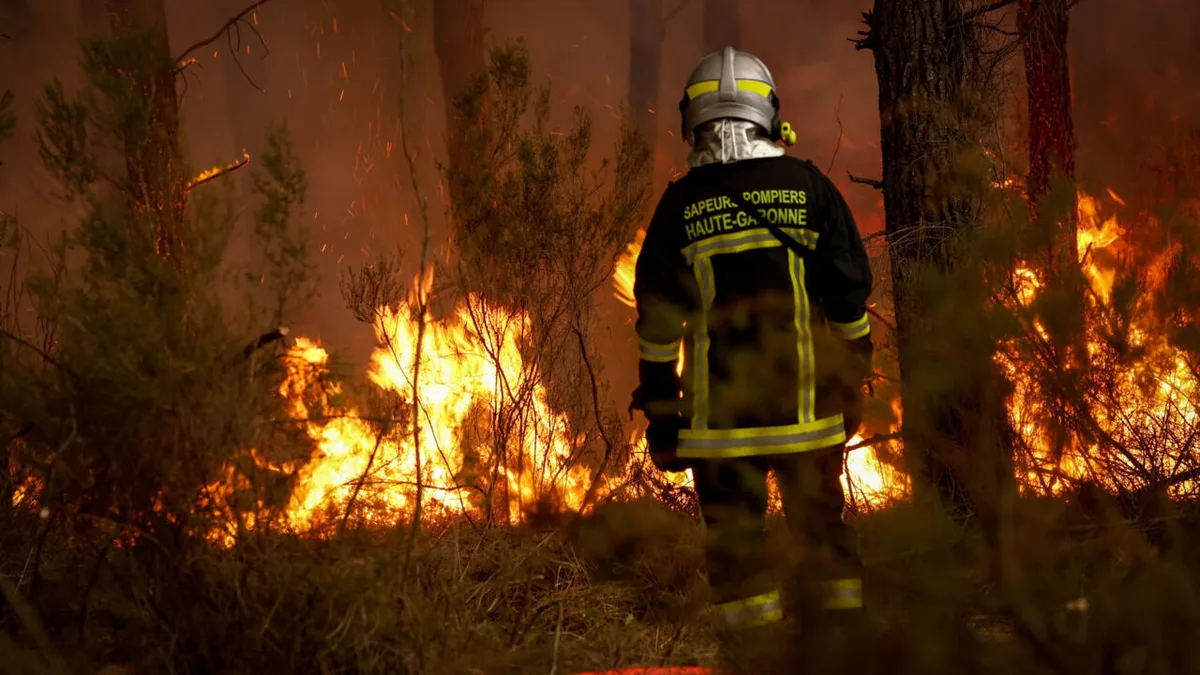
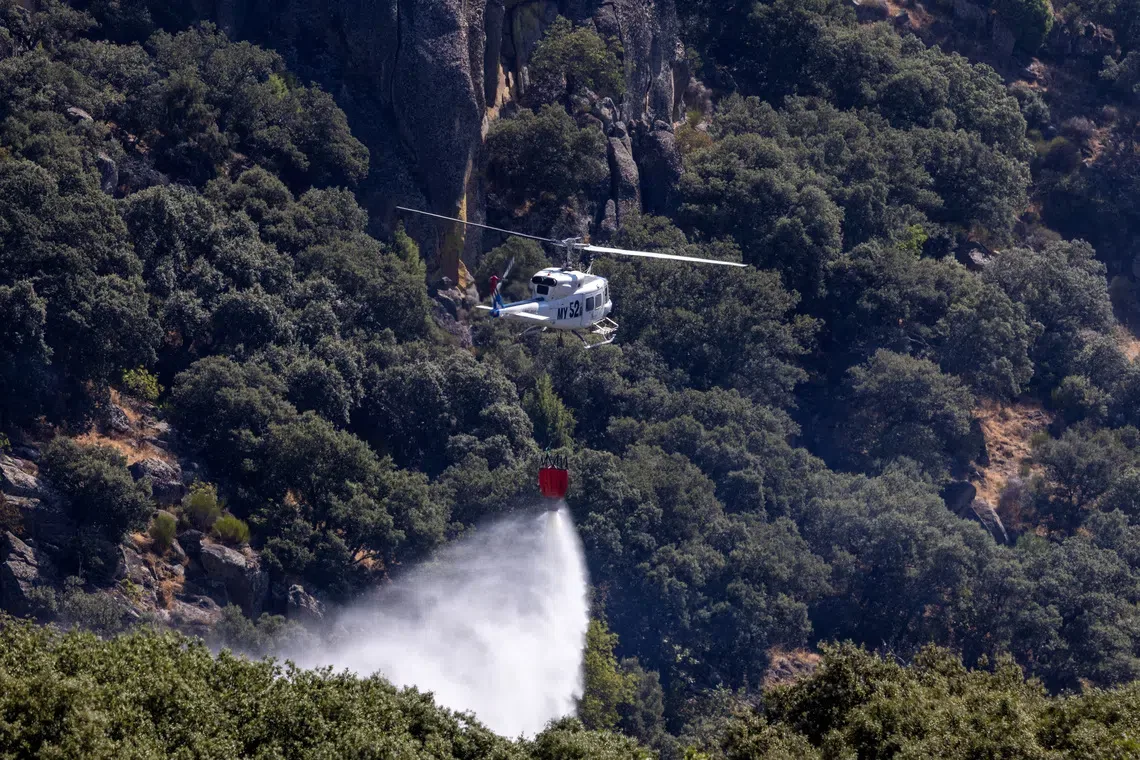
These conditions fueled widespread wildfires that have scorched large areas and forced the evacuation of hundreds of thousands in Spain and France since July 2026 [1, 3]. Climate scientist Clair Barnes of Imperial College London said, "We've seen repeatedly how climate change increases hot, dry, flammable conditions that are extremely conducive to wildfires. What's unique about this case is that it's still early in the season — and with another heatwave looming, these findings are extremely scary" [1].
Greenhouse gas emissions from burning fossil fuels have raised the global average temperature about 1.4°C above pre-industrial levels, driving these more frequent and severe fire-friendly conditions [1, 3, 4]. Wildfire smoke has worsened air pollution, increasing particulate levels up to 20 times above fair air quality in some areas, affecting regions up to 400 km downwind and shortening an estimated 1.5 million lives annually worldwide [2]. Dr Augustin Colette of the French National Institute for Industrial Environment and Risks said, "The smoke increased particulate [pollution] peak levels up to 20 times above what is considered ‘fair air quality’, and extremely poor air quality was felt up to 400 km away from the fires" [2].
Julie Arrighi of the Red Cross Red Crescent Climate Centre said the current wildfires "go well beyond what we would expect from past events," reflecting the climate’s impact [2]. Barnes added, "What we’re seeing is a clear sign of the escalating impacts of [human-caused] warming" [2].
Experts emphasize that reducing wildfire risk requires not only firefighting but better landscape management such as clearing dried vegetation before fire seasons [1, 3, 4]. The World Weather Attribution study underscores an urgent need for addressing climate change and adapting to extreme fire risks.
The consortium’s findings came amid ongoing wildfires and with another heatwave approaching in Europe, signaling continued wildfire threats in the coming weeks [1, 4].