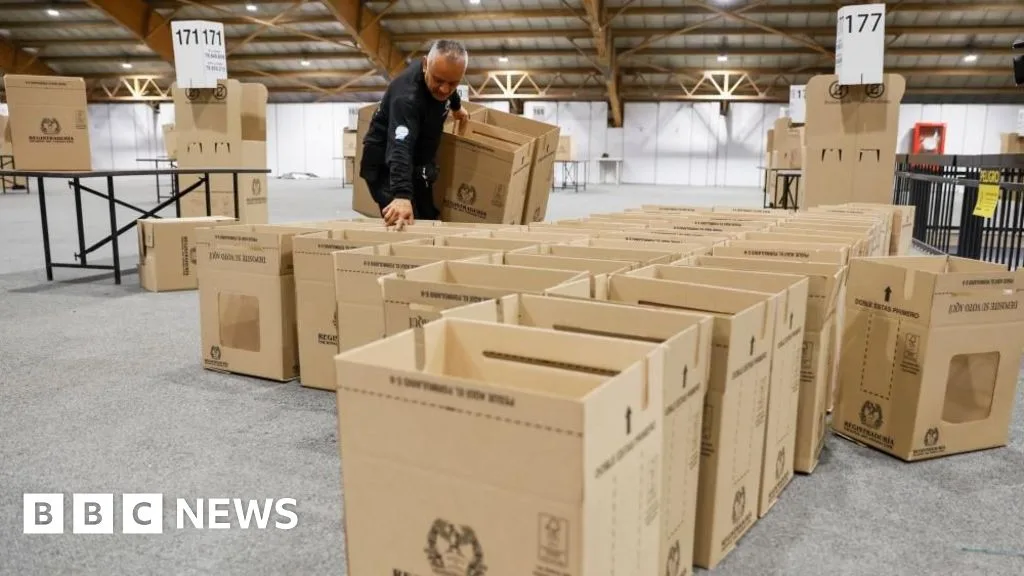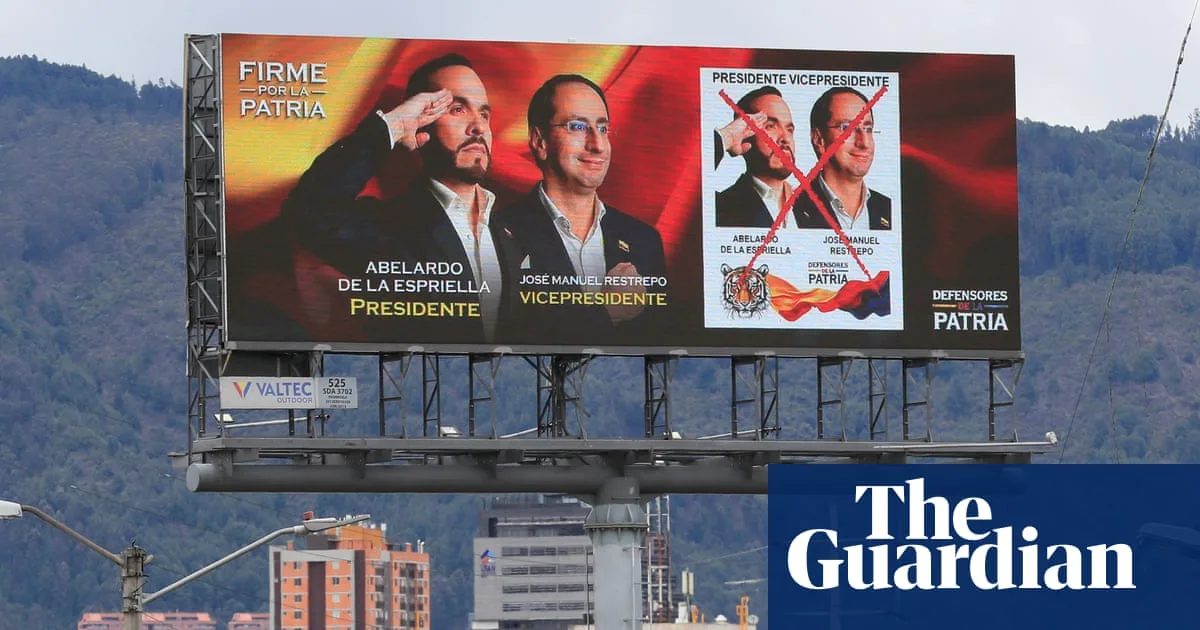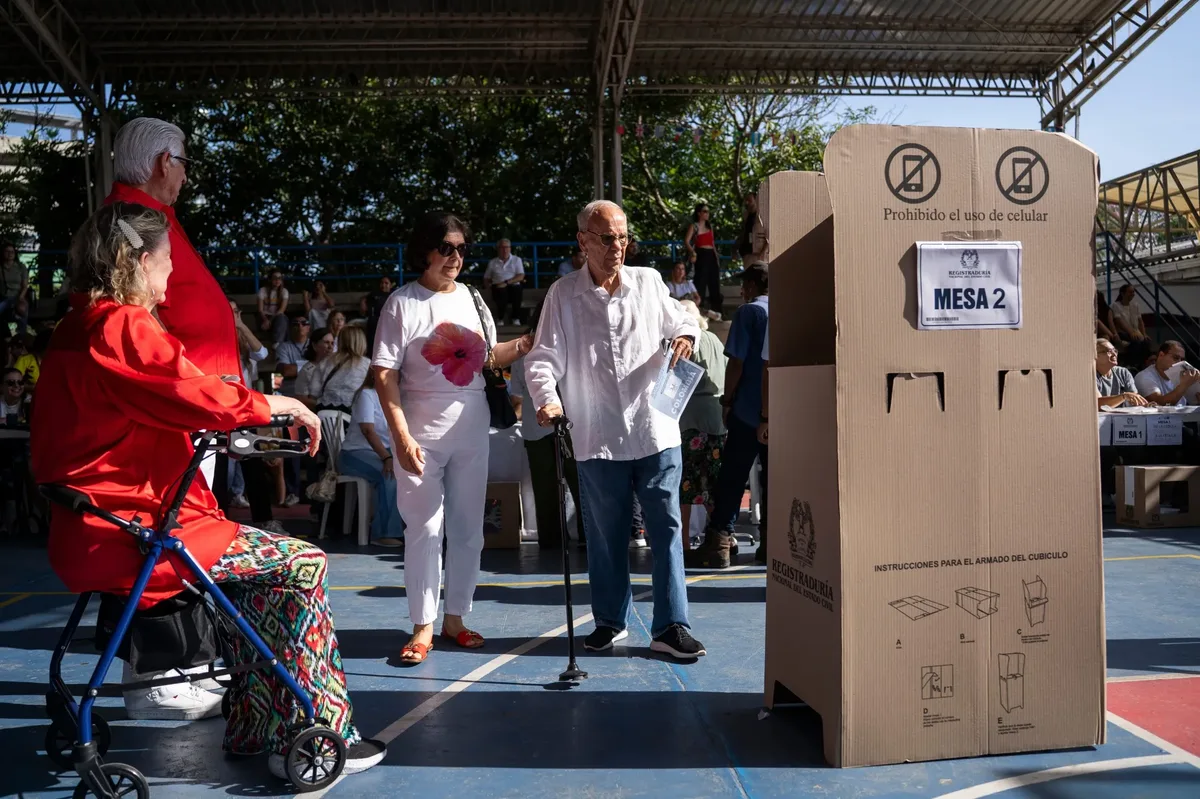
Colombia conducted the first round of its presidential election on Sunday, May 31, with polls open from 08:00 to 16:00 local time and closing to a large voter turnout of about 41 million eligible voters [1, 2]. Fourteen candidates appeared on the ballot, led by three frontrunners: left-wing senator Iván Cepeda, centre-right populist businessman Abelardo de la Espriella, and right-wing senator Paloma Valencia [1, 3, 4].
Iván Cepeda, allied with outgoing President Gustavo Petro, leads polls with approximately 33.4% support [1, 5]. Cepeda backs continuation of Petro’s "Total Peace" plan, which seeks to negotiate ceasefires and peace agreements with armed rebel and criminal groups [1, 3, 4, 6]. However, that policy is contested, with some experts and sources describing the plan as largely failing amid rising violence and a doubling of Colombia’s armed fighters since 2022—from about 13,000 to 27,000 by late 2025—and a 34% increase in violent disputes compared with 2024 [1, 6].
Abelardo de la Espriella, nicknamed "The Tiger," calls for a military crackdown on armed groups and drug cartels. He promises a "peace process imposed by the force of arms" and advocates building megaprisons to incarcerate criminals, stating: "Under my government, any bandit who resists will be eliminated as appropriate, and if he submits, we will imprison him in a mega prison so he can pay his debt to justice as they should" [1, 7].
Paloma Valencia, supported by former President Álvaro Uribe, champions a hardline security approach and closer ties with the United States. She pledged to "restore a strategic, close, and trustworthy relationship with the United States," focusing on cooperation in security, intelligence, military training, and countering transnational crime [1, 7].
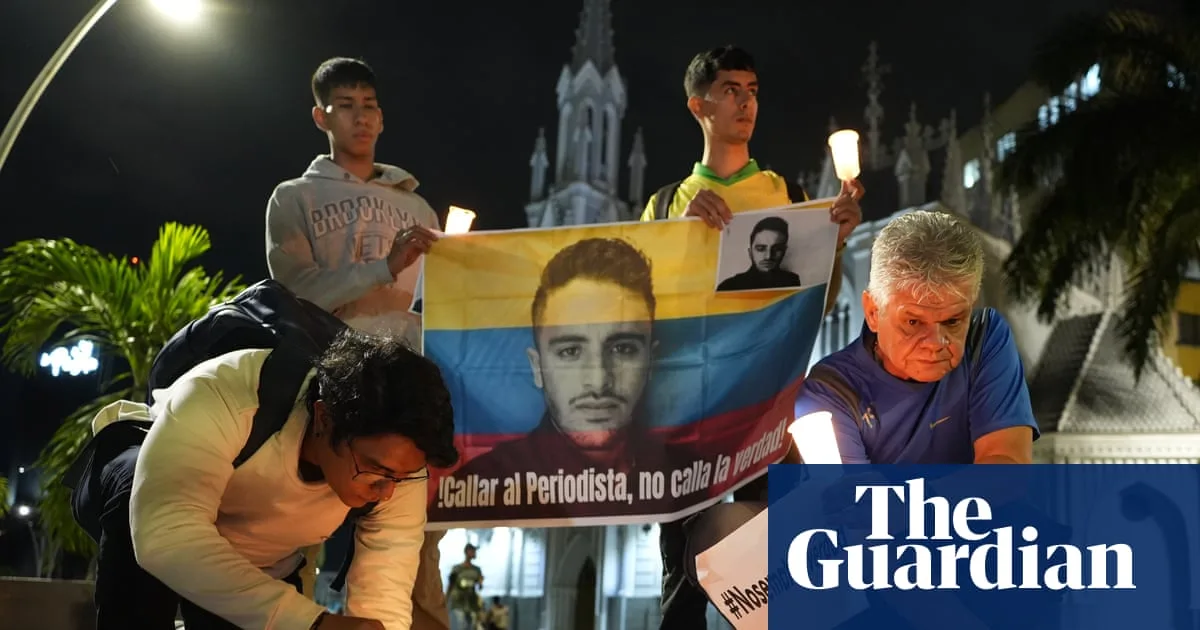
The campaign period has seen a surge in political violence including attacks by guerrilla groups. The assassination of right-wing presidential candidate Miguel Uribe Turbay during a campaign rally in June 2025 highlighted the unsafe political climate [3, 4, 5]. Despite these challenges, Colombian registrar Hernan Penagos said, "Millions of Colombians voted peacefully, turning out in large numbers to freely exercise their political rights" [2].
No candidate is expected to win an outright majority in the first round, triggering a runoff election scheduled for June 21, 2026 [1, 5, 2]. The vote is widely seen as a referendum on the legacy of Petro's left-wing administration and its approach to Colombia’s longstanding armed conflict [1, 3, 4, 8].