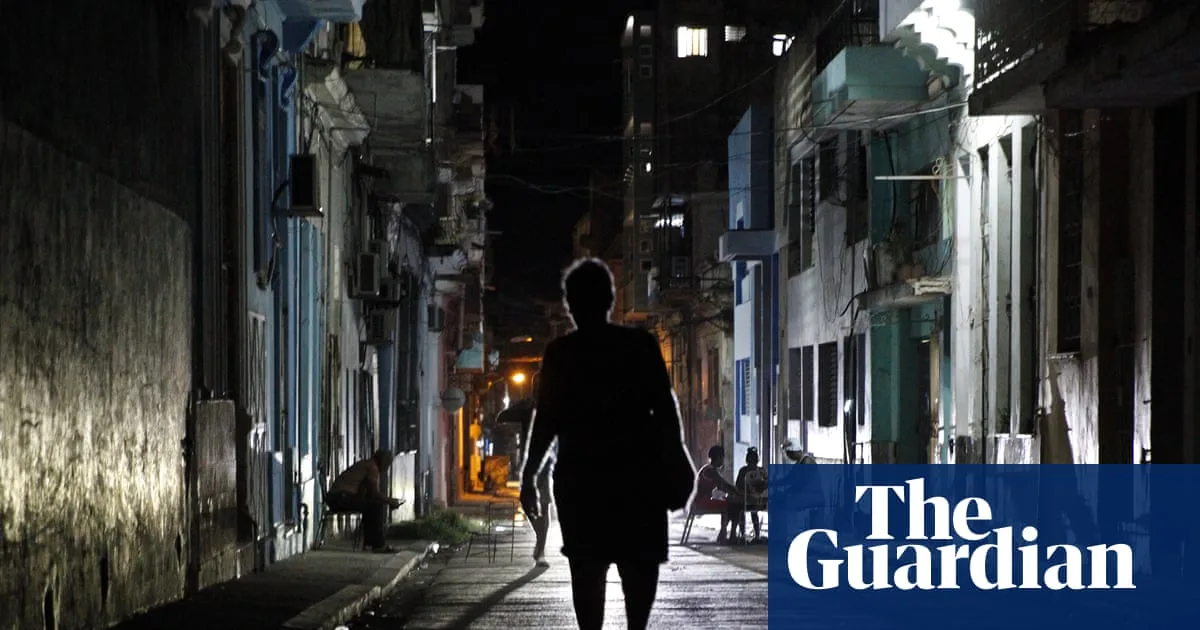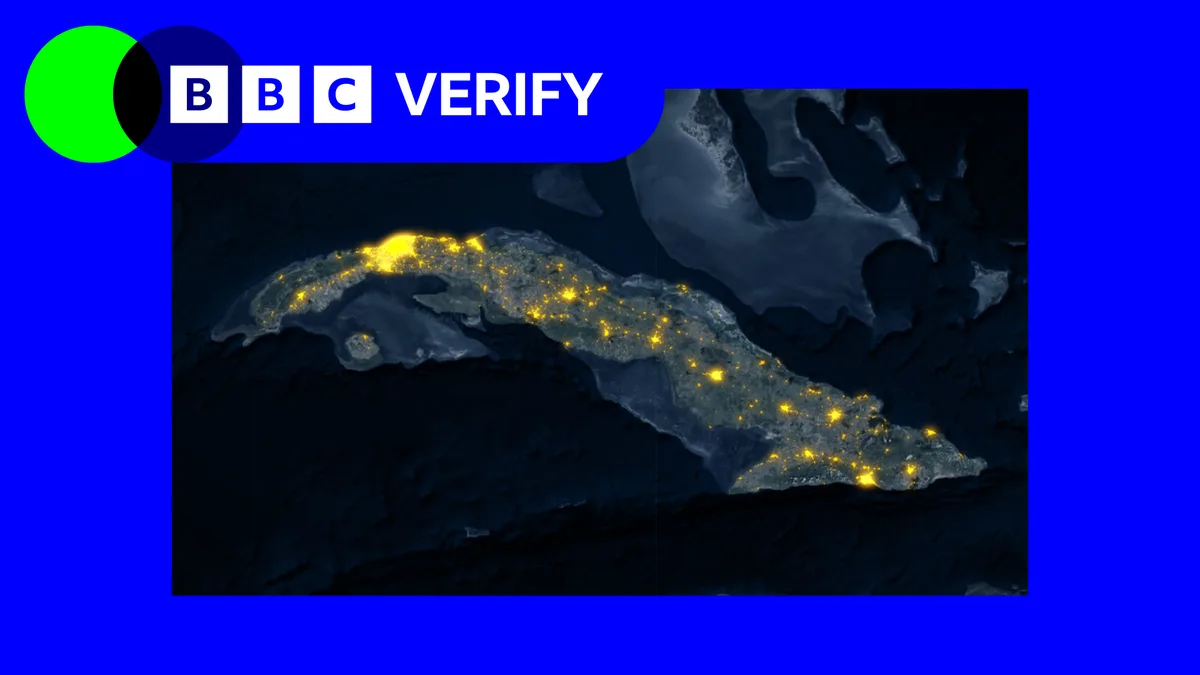
Cuba experienced its third nationwide blackout of 2026 on July 6, when its entire electrical grid shut down around midday local time, leaving nearly all of its roughly 9.6 to 10 million residents without power [1, 2, 3, 4, 5, 6, 7, 8, 9]. This marks the eighth nationwide power outage since late 2024 as the island grapples with a deepening energy crisis exacerbated by fuel shortages and aging power infrastructure [2, 5, 8, 9].
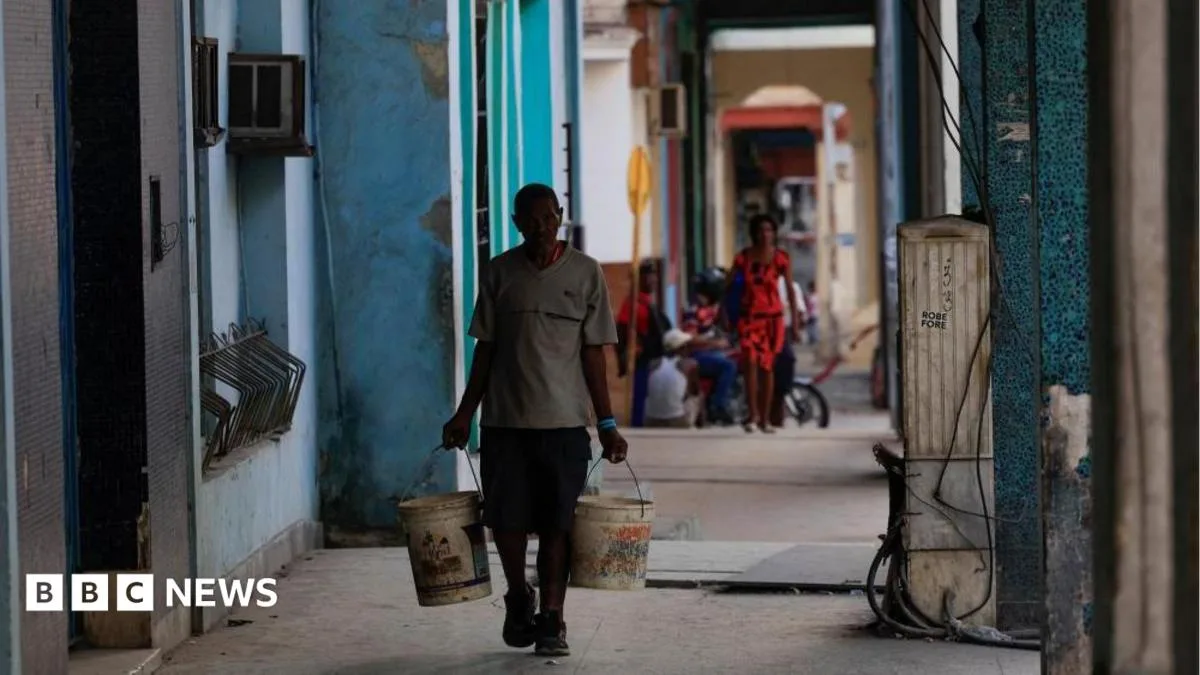
Rolling blackouts have been affecting two-thirds of the country even before the latest shutdown, with Havana enduring power cuts lasting over 30 hours and some rural areas facing outages exceeding 70 hours [1, 2, 3, 4, 5, 7, 8, 9]. Despite the blackout, vital services such as hospitals and food production centers received limited power, maintaining about 1% of Havana’s electricity demand during the crisis [5].
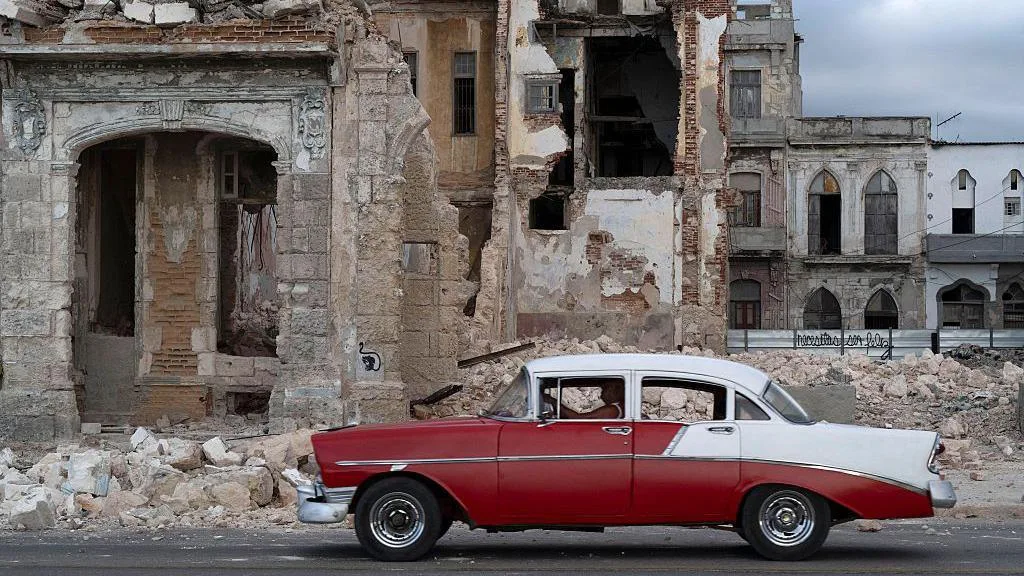
Cuba’s electricity system relies heavily on old Soviet-era plants suffering frequent equipment failures. These issues have been worsened since January 2026, when a US-imposed oil blockade drastically reduced fuel deliveries, allowing only one sanctioned Russian tanker since then [1, 2, 3, 4, 5, 6, 7, 8, 9]. Lazaro Guerra, director of electricity at the Ministry of Energy and Mines, noted, "The lack of fuel undoubtedly complicates the restoration process" [9]. Renewable sources like solar power make up roughly 10% of Cuba’s energy mix but remain insufficient to offset the shortfall [2].
President Miguel Díaz-Canel acknowledged widespread dissatisfaction with extended power cuts and shortages of transport, food, and medicine. He blamed the United States for the crisis, stating, "There are shortages of transport, food, medicines, there are lengthy power cuts lasting more than 20 hours, that causes dissatisfaction, nobody can be happy, the people are suffering... I say: direct your pot-banging towards our northern neighbours, who are the ones behind these power cuts" [1]. He also called electrical workers' efforts "heroic" amid what he described as a "genocidal energy blockade" [5].
The US government denies responsibility, accusing Cuba’s government of mismanagement. US Ambassador to the UN Michael Waltz said, "Change your ways and turn the lights back on for your people. There always seems to be enough power for the Cuban dictatorship" [1]. Cuban Foreign Minister Bruno Rodríguez countered that the US is waging multidimensional warfare on Cuba, including fuel blockades [1, 10, 11].
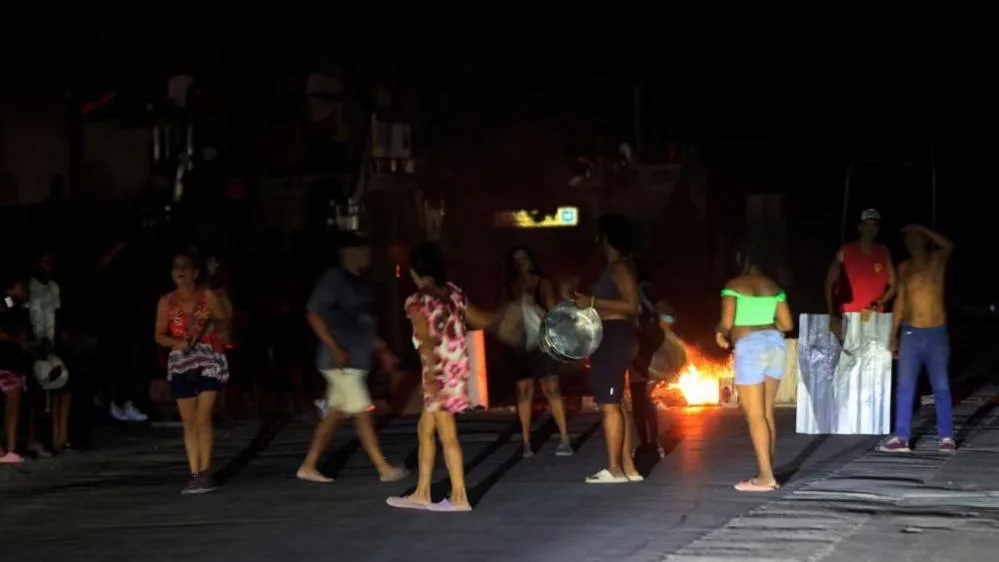
Protests erupted in Havana and other areas, with residents banging pots and demanding power restoration [1, 10, 11]. A social media manager described life during the blackout as "agony," saying, "Our neighbourhood has been surviving on just three or four hours of power a day but the blackout was worse because you never know when it will return. We have no WiFi, no electricity, we can’t work" [9].
After the blackout on July 6, efforts to restore electricity were underway by July 7, with some partial restorations in Havana, though many regions remained without power [10, 8, 11].