Cuba has completely run out of diesel and fuel oil as of May 14-15, 2026, placing its national power grid in a critical state. Cuban Energy Minister Vicente de la O Levy said, "The sum of the different types of fuel: crude oil, fuel oil, of which we have absolutely none; diesel, of which we have absolutely none—I am being repetitive—the only thing we have is gas from our wells, where production has grown" [1, 2, 3, 4, 5].
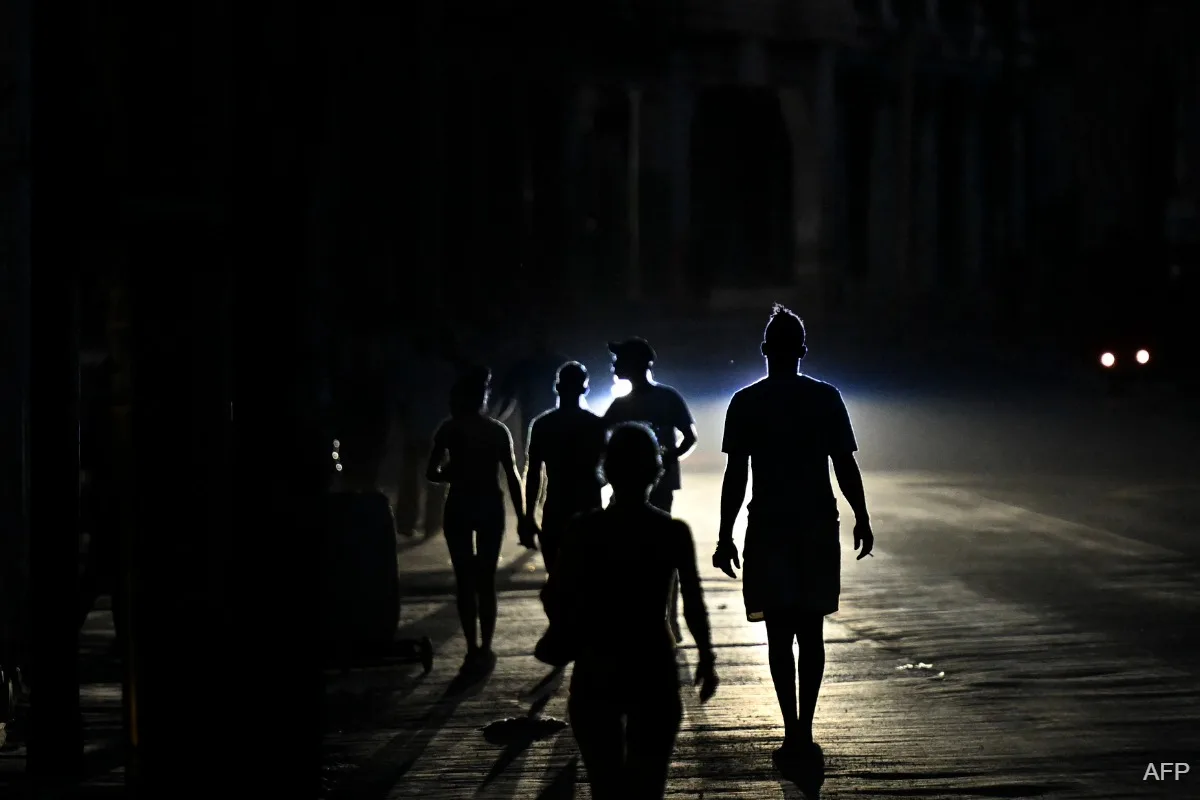
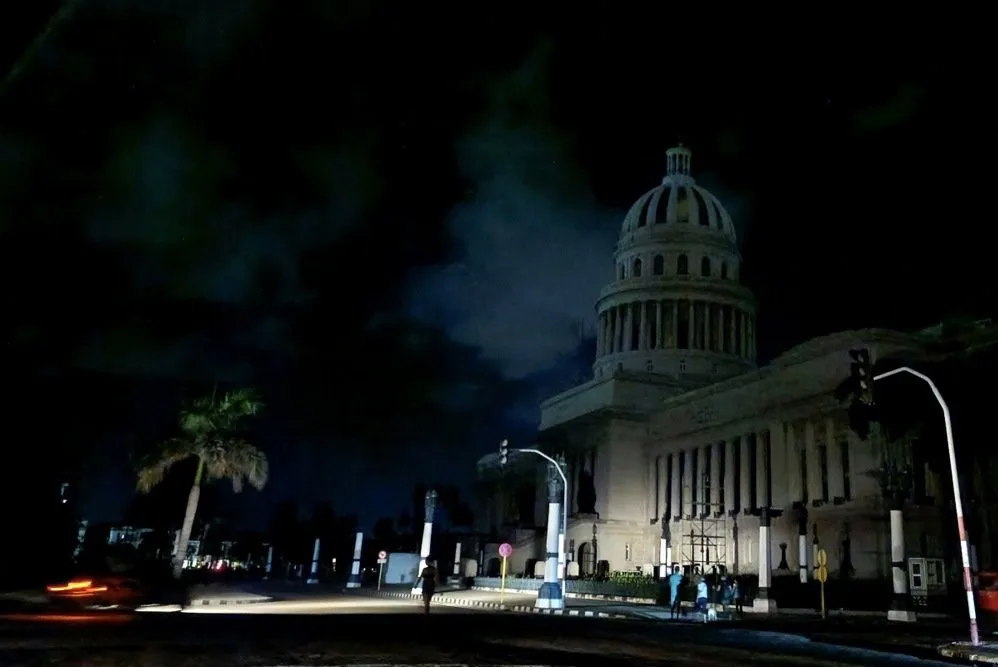
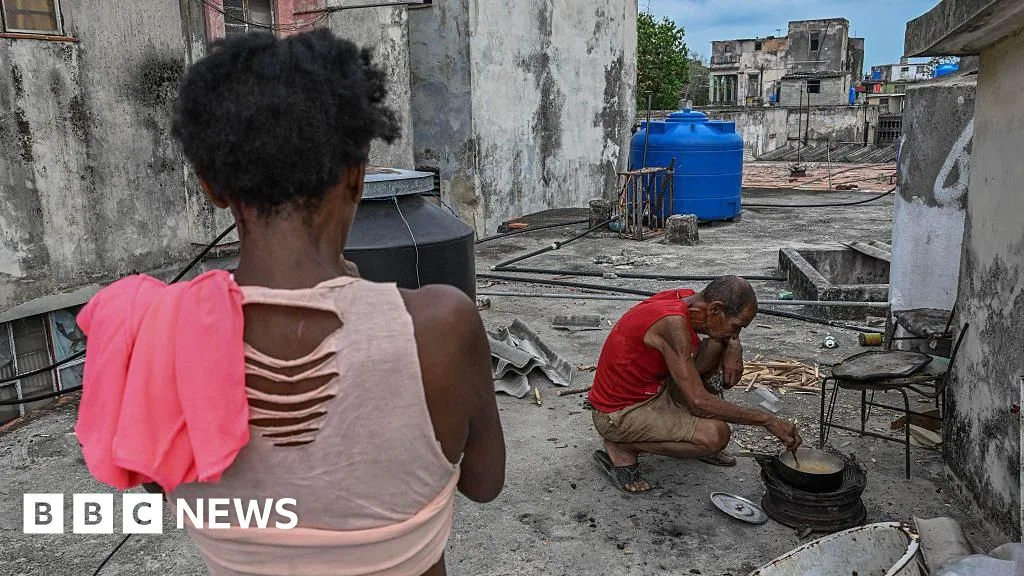
The shortages have caused parts of Havana and eastern Cuba to endure blackouts lasting 20 to 22 hours per day. Cuban President Miguel Diaz-Canel warned, "The situation of the National Electric System has become particularly tense in recent days," with a deficit exceeding 2,000 megawatts expected during peak demand [1, 2, 3, 4, 6, 7].
Scattered protests broke out in Havana and neighborhoods such as San Miguel del Padron on May 13-14. Residents banged pots and lit fires to express frustration over the worsening blackouts and fuel shortages [1, 8, 9, 4, 10].
Cuba normally relies on imports of oil from Venezuela and Mexico. These shipments have largely stopped due to US pressure and threats of tariffs on countries supplying Cuba with fuel. A Russian tanker delivered 730,000 barrels of oil in March, which temporarily alleviated shortages, but those reserves ran out by early April [1, 8, 2, 3, 9, 7, 5].
Cuba produces about 40,000 barrels of oil daily but consumes between 90,000 and 110,000 barrels, leaving a heavy dependence on imports [5]. With imports blocked, the energy deficit has surged. President Diaz-Canel called the US sanctions a "genocidal energy blockade" causing the crisis [8, 2, 11, 4].
The US State Department offered $100 million in humanitarian aid contingent on Cuba accepting political reforms. A department spokesperson said, "The decision rests with the Cuban regime to accept our offer of assistance or deny critical living-saving aid and ultimately be accountable to the Cuban people for standing in the way of critical assistance" [1, 8, 2, 3, 7]. Cuba denies rejecting aid but calls US demands coercive [1, 8].
CIA Director John Ratcliffe visited Cuba on May 14 for talks amid tensions, saying Washington would "seriously engage" if Cuba makes "fundamental changes" [11, 7].
The Cuban government is reportedly considering liberalizing fuel prices in response to worsening sanctions and shortages [5].
The energy crisis in Cuba follows a tightened US oil embargo imposed on January 30, 2026, blocking nearly all fuel shipments. A brief relief came with the March Russian oil delivery, but the country's fuel reserves have since been depleted [1, 8, 2, 9, 5].
The blackout crisis continues with outages expected to persist until new fuel supplies or policy changes materialize.