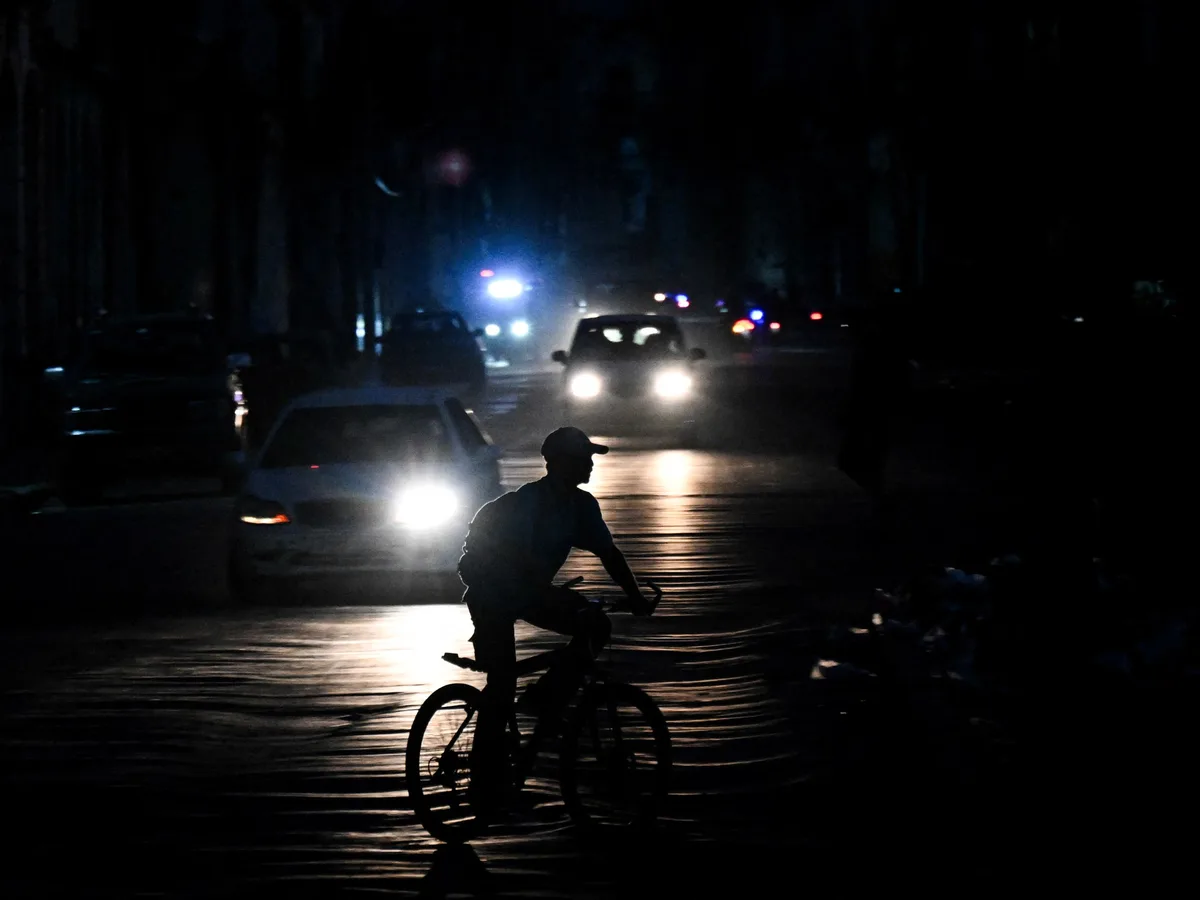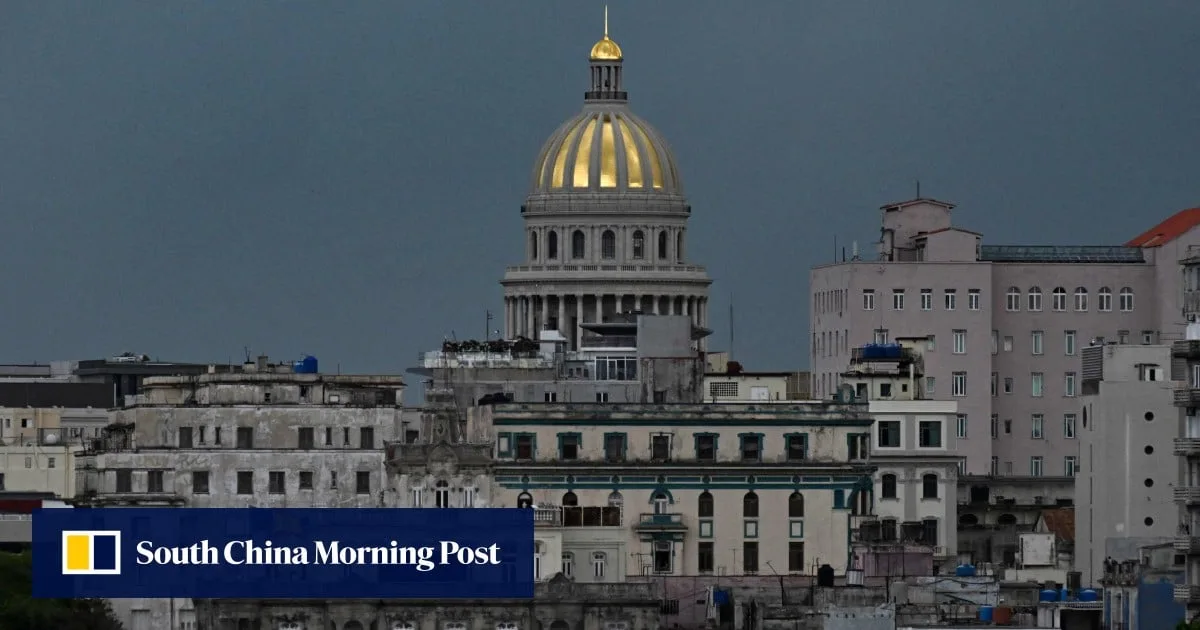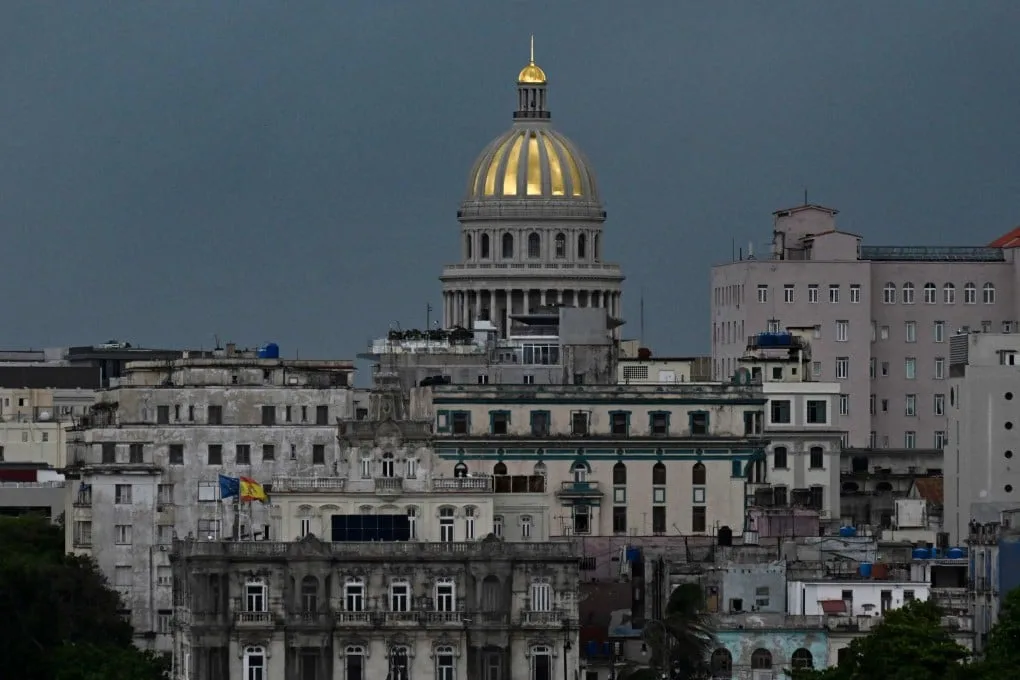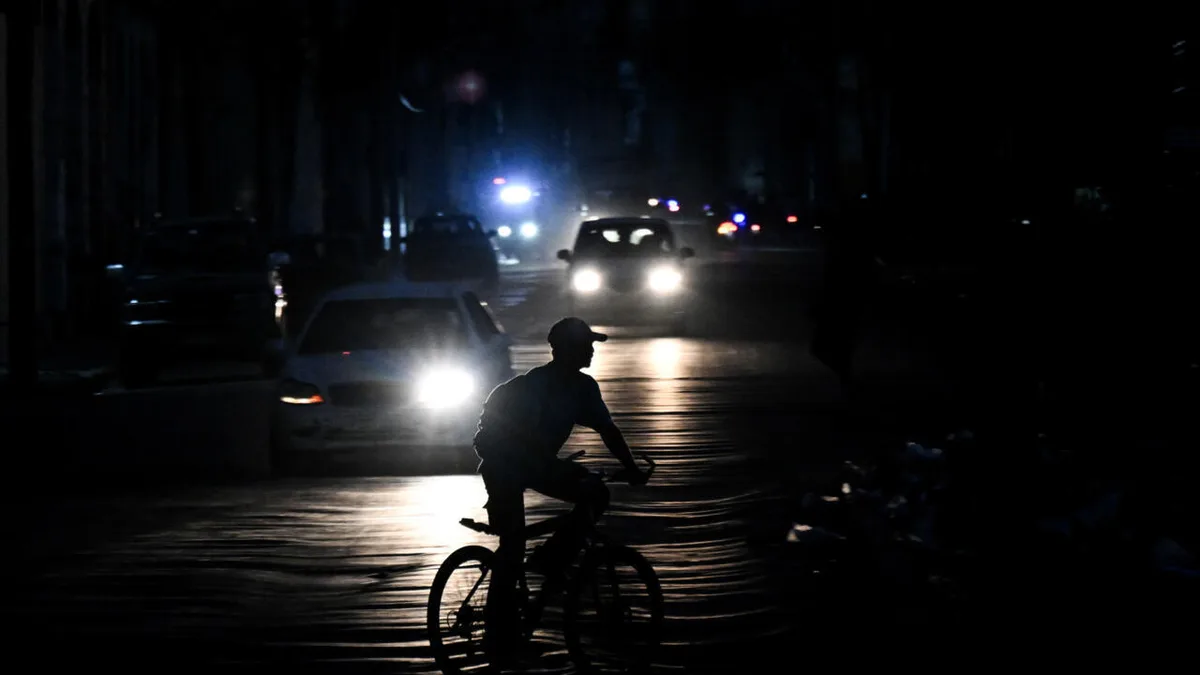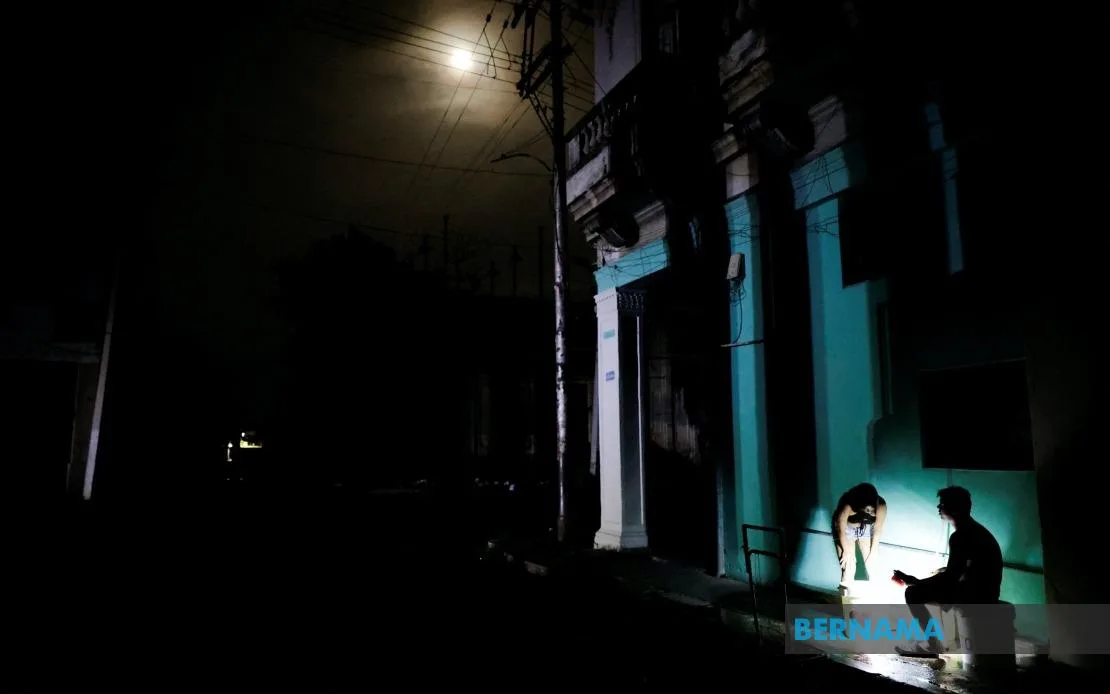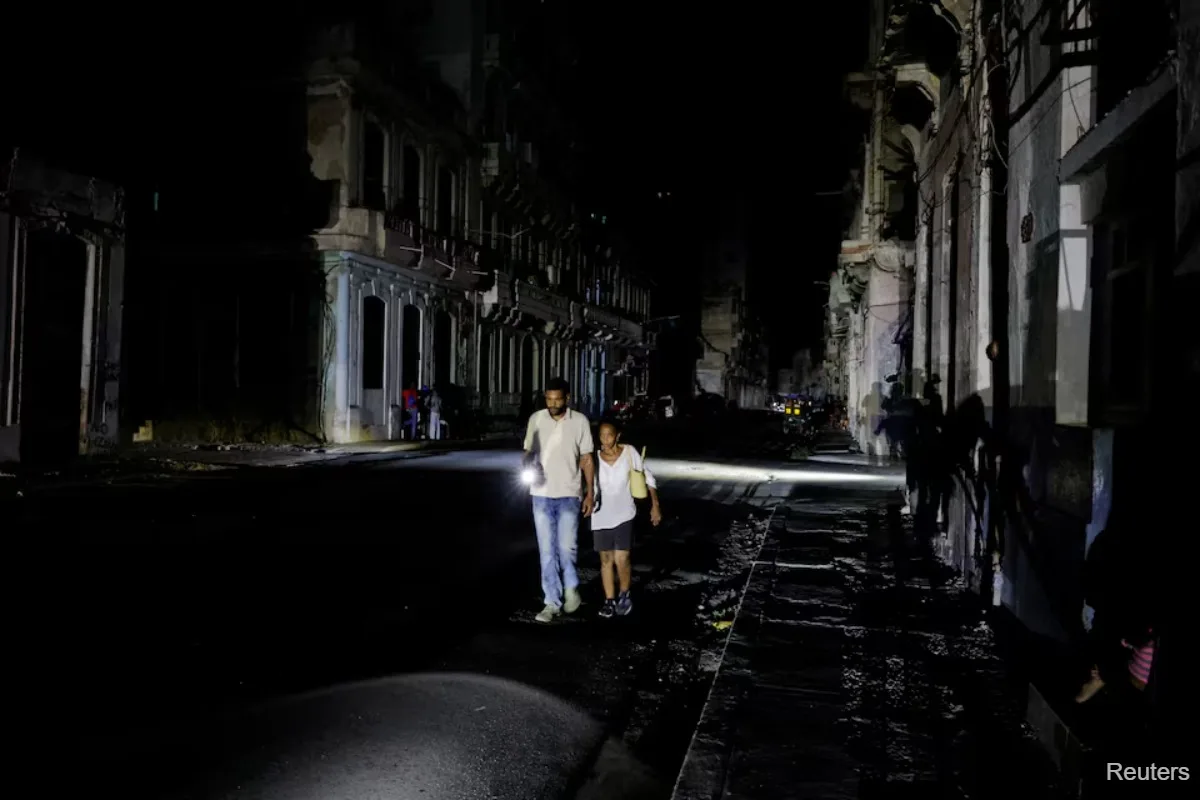
Cuba’s national electricity grid collapsed late on Sunday, August 2, 2026, causing a total disconnection and a nationwide blackout that affected approximately 10 million people, including those in the capital, Havana [1, 2, 3, 4, 5, 6, 7]. This marks the latest in a series of frequent power outages, with the grid failing three times within nine days during July 2026 [1, 3, 4, 6, 7].
The state-owned utility UNE described the incident as a "total failure" of the national electricity system [1, 2, 3, 4, 5]. The country’s aging energy infrastructure has been under severe strain due to fuel shortages, parts scarcity, and repeated breakdowns of thermoelectric plants, some over 30 years old [1, 3, 4, 5]. The US energy embargo and oil blockade, initiated under former President Trump, have sharply limited Cuba's fuel imports, including halts in supplies from Venezuela and Mexico [1, 3, 4, 5].
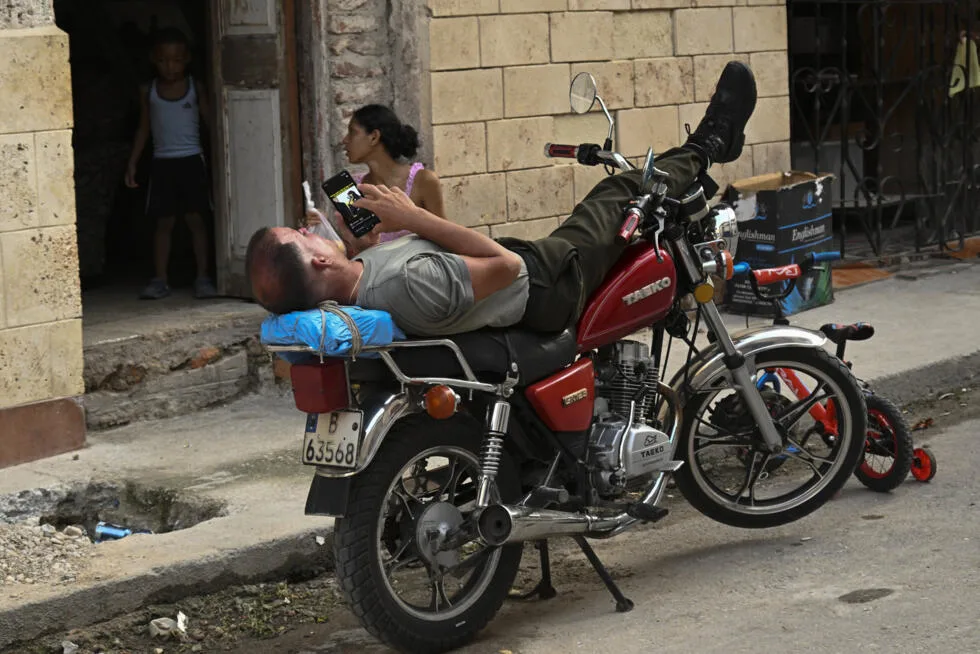
According to the Ministry of Energy, protocols to reactivate the grid are currently underway [3, 5]. The blackouts have severely disrupted daily life, affecting water supply, cooling systems, and leaving residents vulnerable to the intense summer heat [2, 3, 5].
The Cuban government blames US sanctions for the energy crisis, while other observers cite decades of underinvestment and mismanagement within the energy sector [4]. In response, Cuba recently approved its first foreign investment venture to import and sell fuel, along with authorizing nearly 200 businesses to engage in wholesale fuel distribution [6, 7]. Additionally, reforms have permitted private investment in the tourism sector as part of efforts to ease energy shortages and promote economic activity [6, 7].
Prime Minister Manuel Marrero Cruz said, "The results will be achieved gradually. Starting now, the most important, and perhaps the most difficult, stage begins" [6].
In March 2026, a single Russian tanker carrying 100,000 tons of crude oil was authorized by Washington to deliver fuel to Cuba; those reserves have since been exhausted [3, 5].
The Cuban government faces mounting pressure to stabilize the power grid and implement ongoing reforms while managing limited fuel supplies and aging infrastructure.