Cuba's Communist Party approved 176 economic reform measures on June 17, aiming to expand private enterprise and allow foreign investment without joint ventures, during an extraordinary plenary session of the Central Committee held Wednesday [1, 2]. The reforms mark the biggest overhaul of the Cuban economy since the 1959 revolution, ending the command economy model by permitting large private enterprises in sectors such as tourism, agriculture, foreign trade, real estate, banking, energy, and transport [3, 4, 2].
The package grants more autonomy to state-owned companies and local municipalities in decision-making and allows Cuban nationals and foreigners to invest and hold shares in state companies. It also permits private banking and accounts in foreign currency [1, 3, 2]. The reforms include measures to promote digital transformation, artificial intelligence, a knowledge economy, and strengthened regulatory oversight [2].
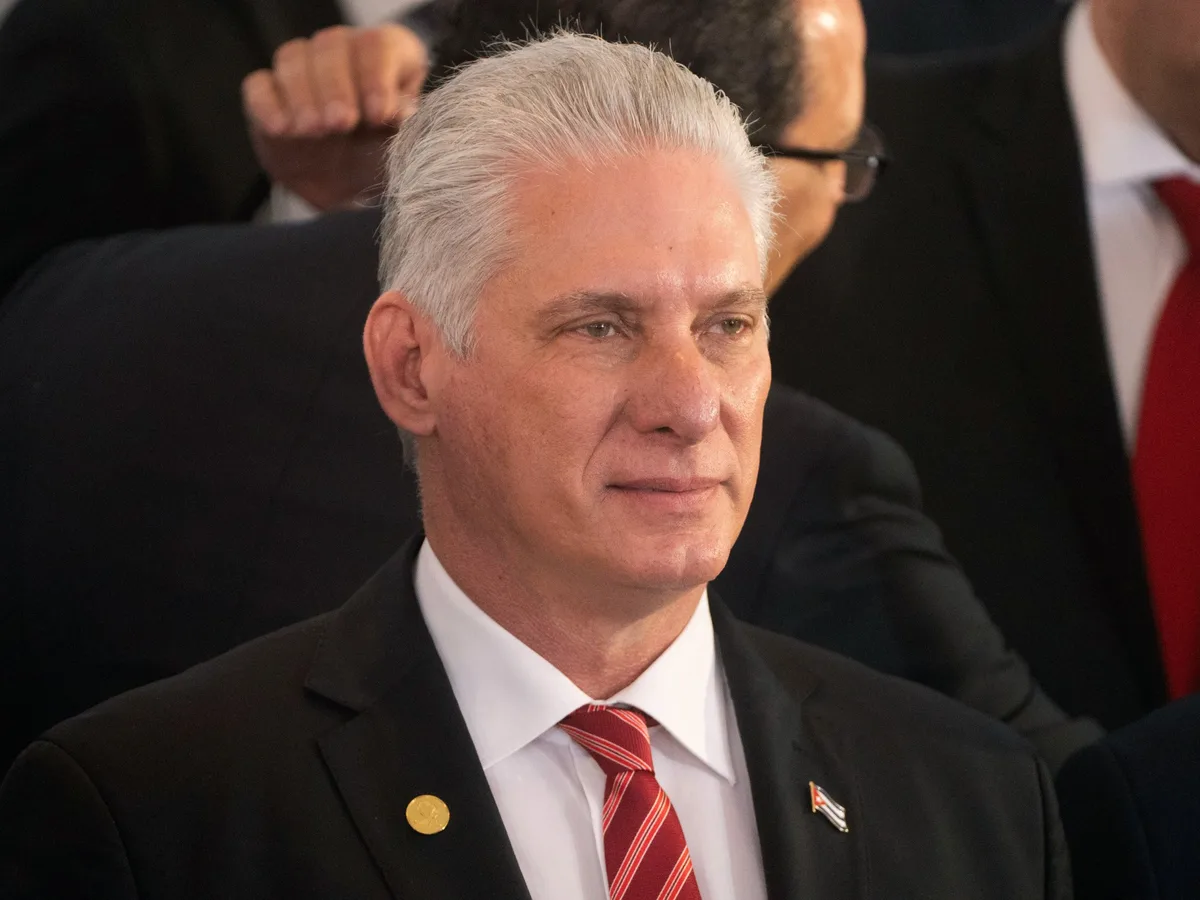
President Miguel Diaz-Canel publicly endorsed the reforms June 18, stressing urgency and some party opposition. "The situation calls for urgent and necessary changes. Some of the reforms will not have absolute consensus, but cannot be postponed," he said [5]. Raul Castro, 95, also supported the package via video, with PCC Political Bureau member Jose Amado Ricardo Guerra stating, "Raul Castro fully agrees with the economic reforms proposed by Diaz-Canel and is convinced that the best ideas always emerge from collective analysis and even from differences of opinion" [1]. PCC Ideology Department head Yuniaski Crespo Baquero called the reforms a "homegrown, creative, brave and revolutionary response to the economic war confronting Cuba" [1].
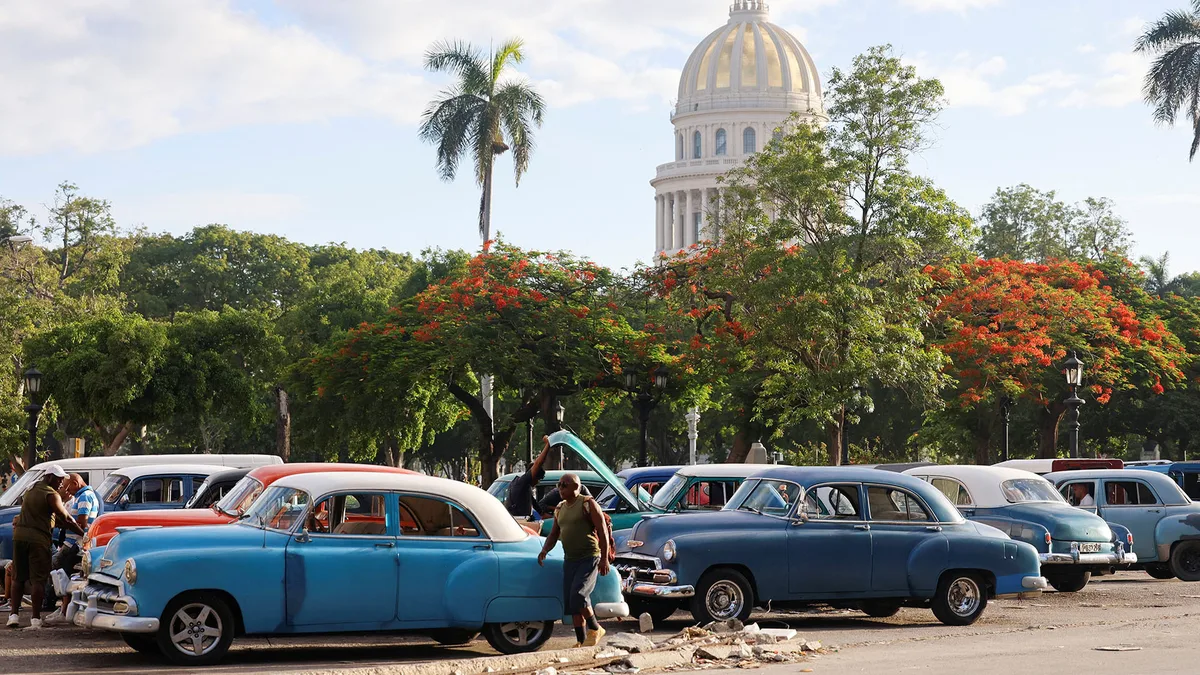
The reforms respond to Cuba's ongoing economic crisis characterized by power shortages, fuel blockades, empty state stores, and intensified U.S. sanctions since January 2026 [1, 5, 3, 2]. The European Union meanwhile passed a resolution condemning Cuban government repression and calling for sanctions on Cuban leaders June 18 [5].
Experts have noted the reforms represent radical change with big private enterprises now possible, moving beyond the previous maximum size of 100 employees for small- and medium-sized businesses [3, 4]. Economist Daniel Torralbas said, "These are not cosmetic changes, they represent radical change. For example, there will no longer be only small and medium-sized businesses, it will be possible to establish a big private enterprise in Cuba" [4]. Skepticism remains on rapid implementation amid institutional challenges.
Following party approval, the reform package was submitted to the National Assembly June 18 for formal approval, expected in the coming weeks [5, 2]. Cuban media and analysts are continuing to report details on the reforms' implications for property rights, banking, and energy policies [3, 4].