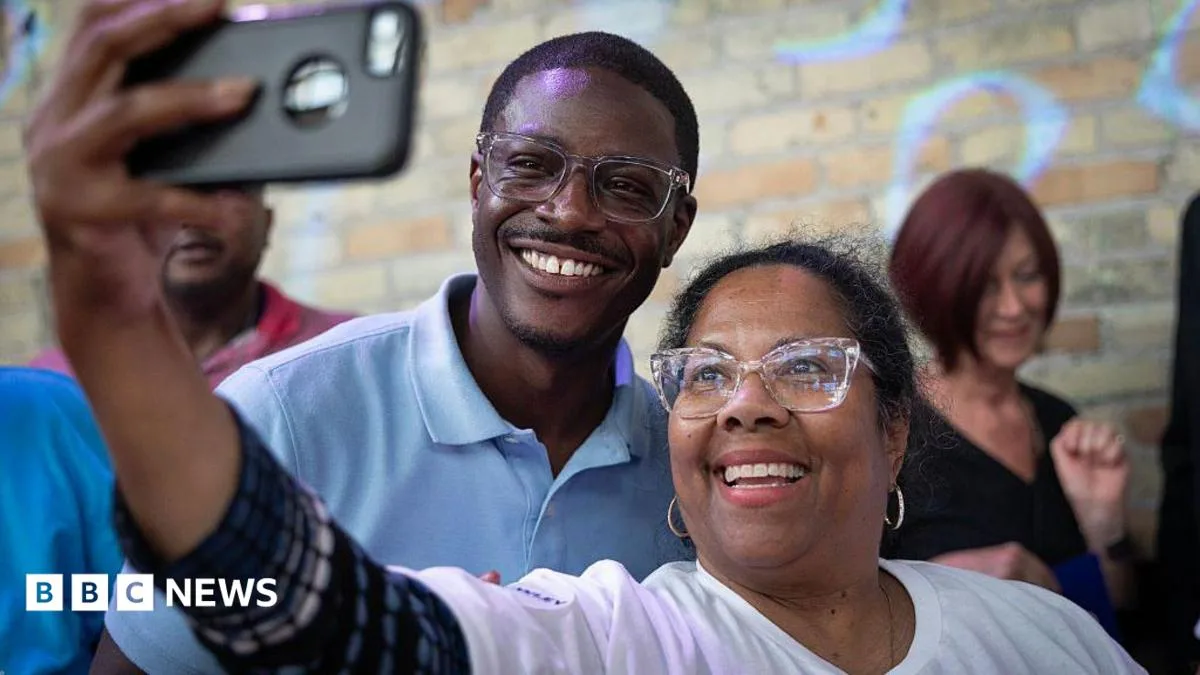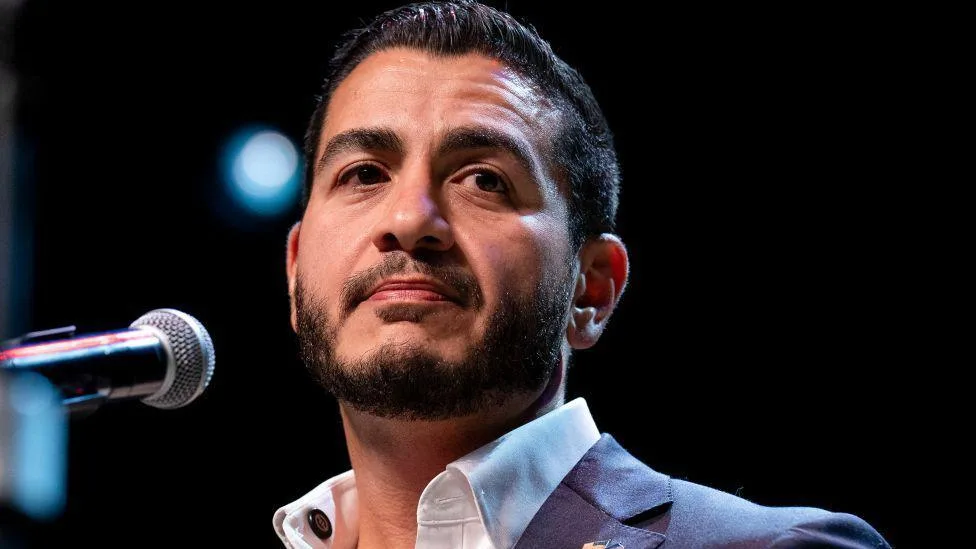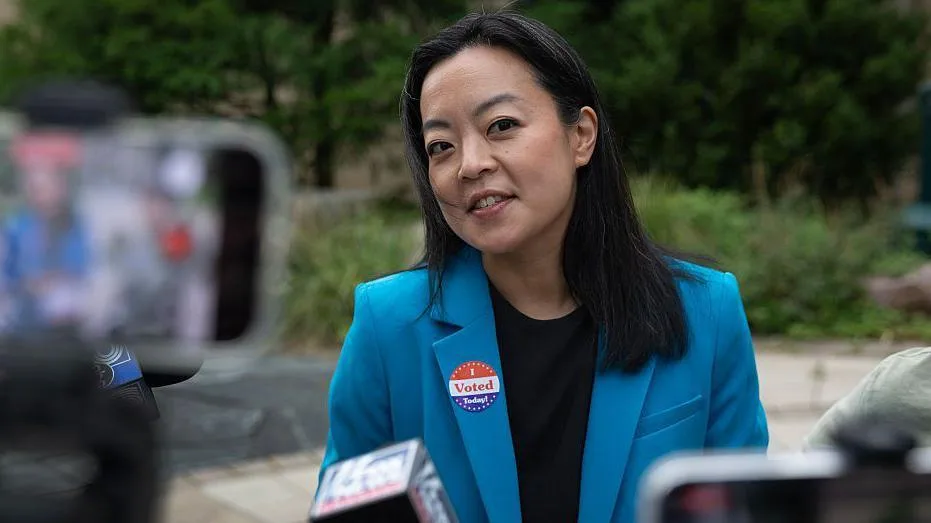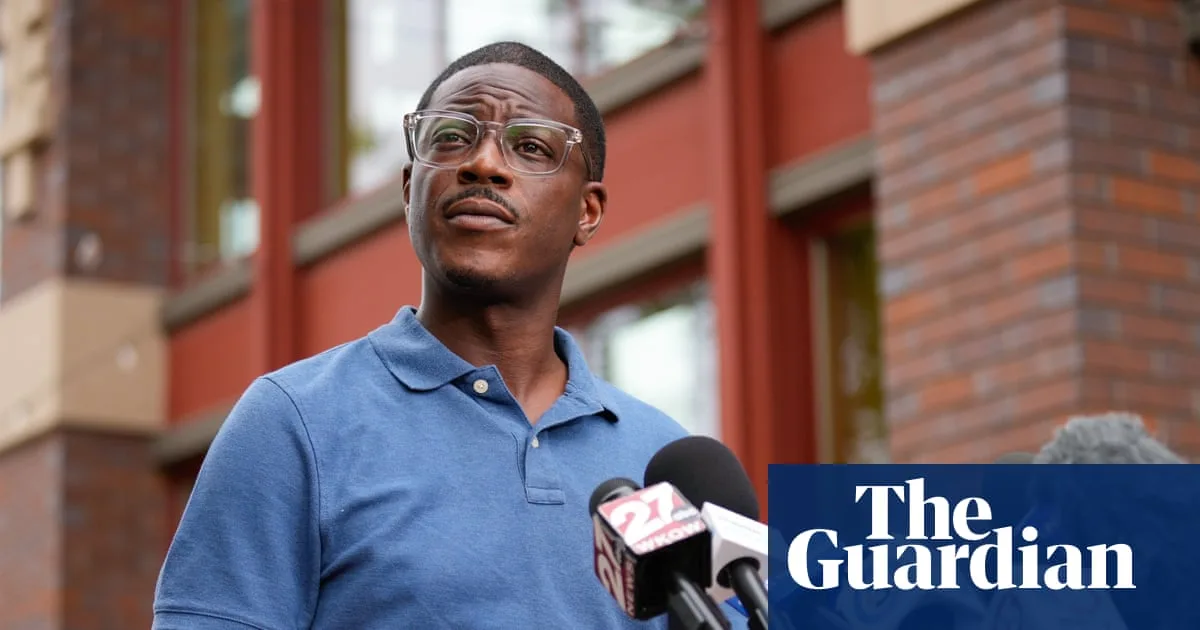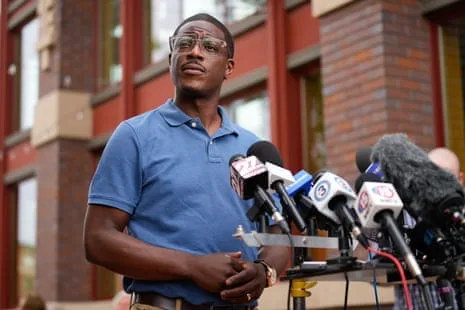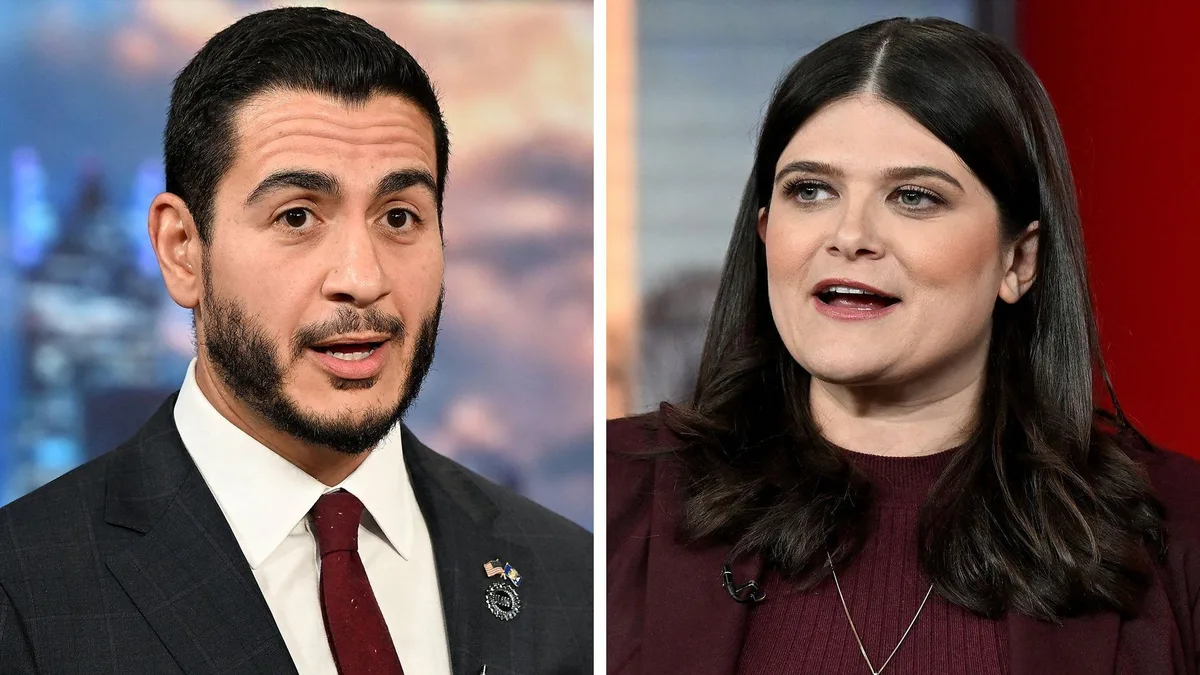
David Crowley, Milwaukee County executive, won the Democratic primary for Wisconsin governor on August 11, narrowly defeating state assemblywoman Francesca Hong by a few thousand votes [1, 2, 3, 4]. Crowley, who had briefly dropped out of the race in July before re-entering with the endorsement of outgoing Democratic Governor Tony Evers, ran as a more moderate candidate compared to Hong’s progressive platform [1, 2, 3].
Hong, a member of the Democratic Socialists of America, sought to become Wisconsin’s first democratic socialist governor and led in pre-election polls [1, 2, 4]. However, concerns among Democratic voters about her past controversial statements and policy positions likely contributed to her narrow loss [2, 4]. Crowley emphasized party unity in his victory speech, saying, "We may not agree on everything, but it doesn't mean that we can't come to the negotiating table and figure out how we bring everybody under this big tent" [3].
Gov. Evers praised Crowley, tweeting, "He's earned this win and the accolades. I am so proud of David — he's the future of our Party, and I can't wait for him to be our next governor" [3]. Crowley frames the race as between Democrats and MAGA extremists, saying, "This isn't insider versus outsider. This is Democrats defeating the MAGA extremists and Congressman Tom Tiffany" [3].
Tom Tiffany, a U.S. Congressman and member of the House Freedom Caucus backed by former President Donald Trump, will face Crowley in the November 5 general election [1, 3, 4]. Wisconsin remains a key swing state with close statewide elections expected. Crowley began a statewide campaign tour on August 12 with lieutenant governor nominee Sarah Godlewski [3].
The November election will decide Wisconsin’s next governor, setting the stage for a high-profile contest between Crowley’s moderate Democratic platform and Tiffany’s conservative congressional record [1, 3, 4].