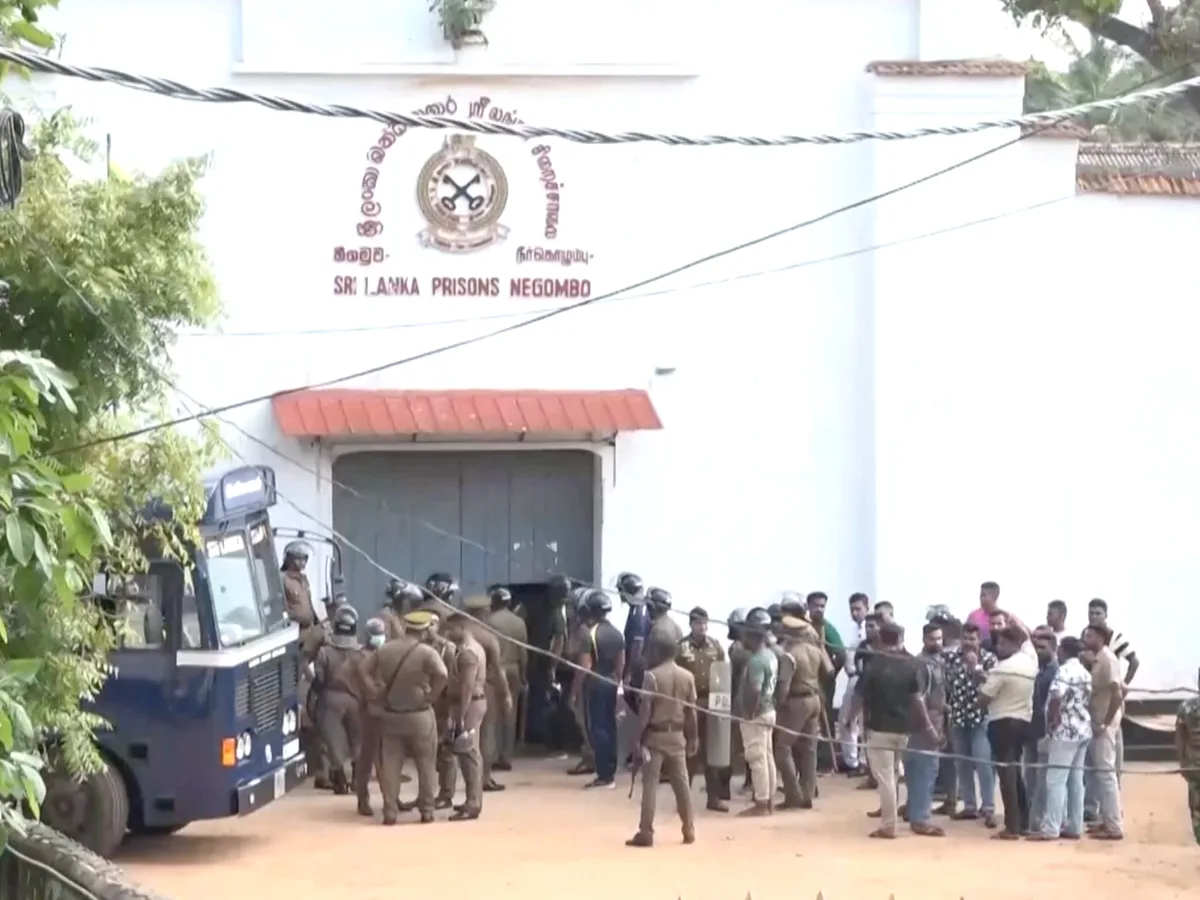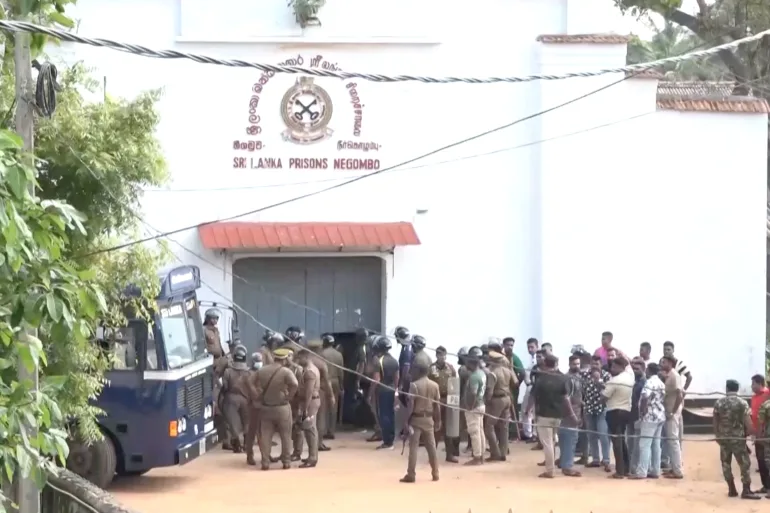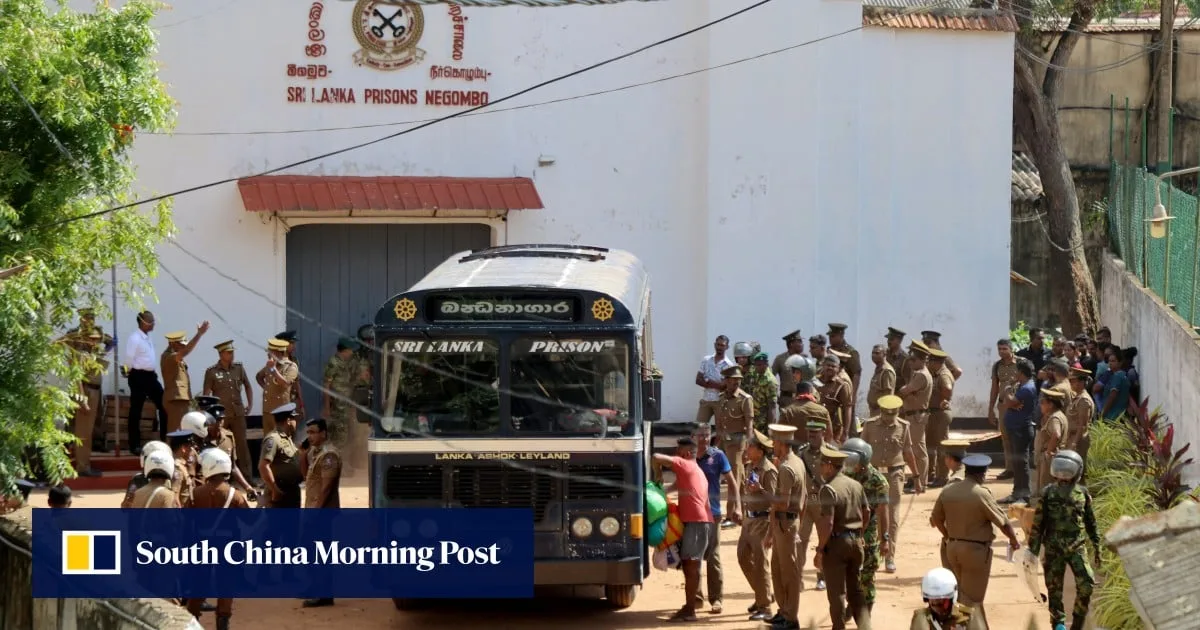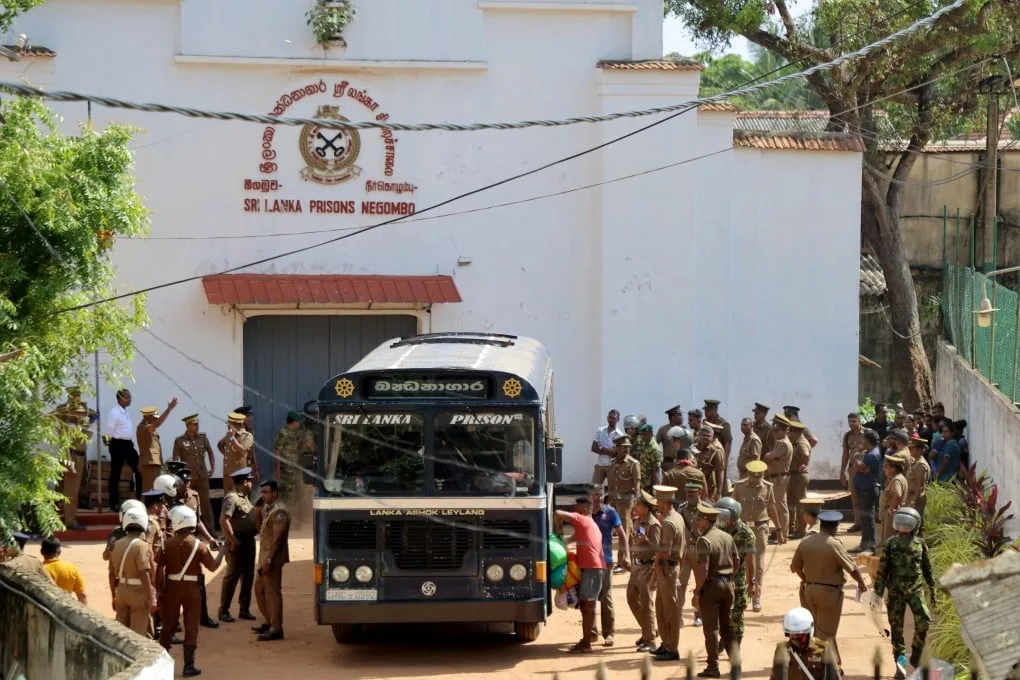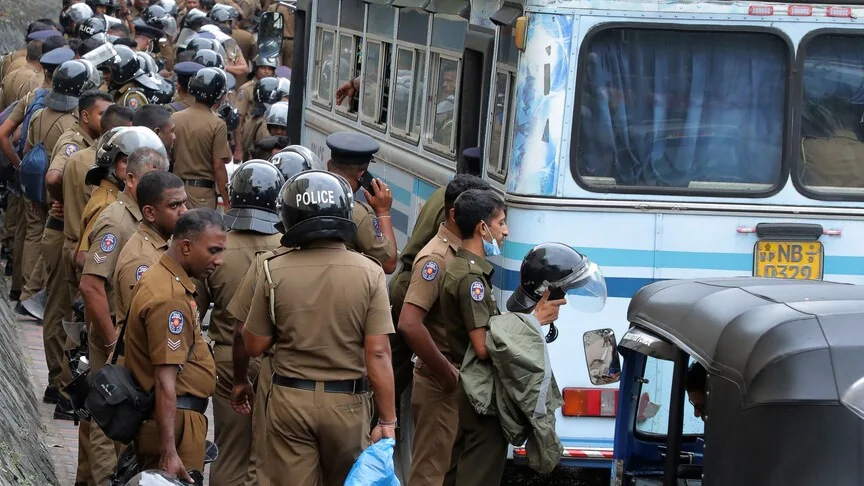
A deadly riot broke out at Negombo prison in Sri Lanka on the evening of July 5, 2026, resulting in the deaths of between 19 and 25 people and injuries to more than 100 others. The violence started between rival inmate drug gangs and quickly escalated to involve prison guards and officers, with clashes continuing into July 6 [1, 2, 3, 4].
The fatalities include prison guards and inmates. Several sources report that four or five prison guards were among the dead [1, 2, 3, 4]. Bodies of the deceased, including guards and prisoners, were taken to Negombo hospital on July 6, where over 100 injured were also admitted. Pushpa Gamlath, director of Negombo hospital, said, "There are some victims with gunshot injuries, some with cuts and severe bruises" [2].
The unrest prompted police and prison authorities to open fire in an effort to contain the clashes on the second day. Security forces deployed soldiers, helicopters, and drones around the prison, which houses thousands of inmates [5, 4, 1]. Estimates of the inmate population vary widely, with figures ranging from about 2,400 to nearly 10,000, contributing to severe overcrowding concerns [2, 5, 4]. The total prison population in Sri Lanka was around 41,250 as of July 5 [1].
During the unrest, women inmates in an adjoining section climbed onto the roof and demanded their release, adding to the chaos [1, 2]. Large crowds of relatives gathered outside the prison in Negombo, a city roughly 35 kilometers north of Colombo, the capital of Sri Lanka [1, 3, 5, 4].
The riot's exact death toll remains unclear, with some reports citing at least 19 fatalities [3], others 23 [1, 2], and some at least 25 [4]. One source reported only 2 deaths, a figure at odds with the majority [5]. Similarly, the number of guards killed is variously reported as four or five [1, 2, 3, 4].
Following the violent clashes that carried on through July 6, authorities continue efforts to secure the prison and tend to the injured. Investigations and security reviews are expected as officials seek to prevent further outbreaks.