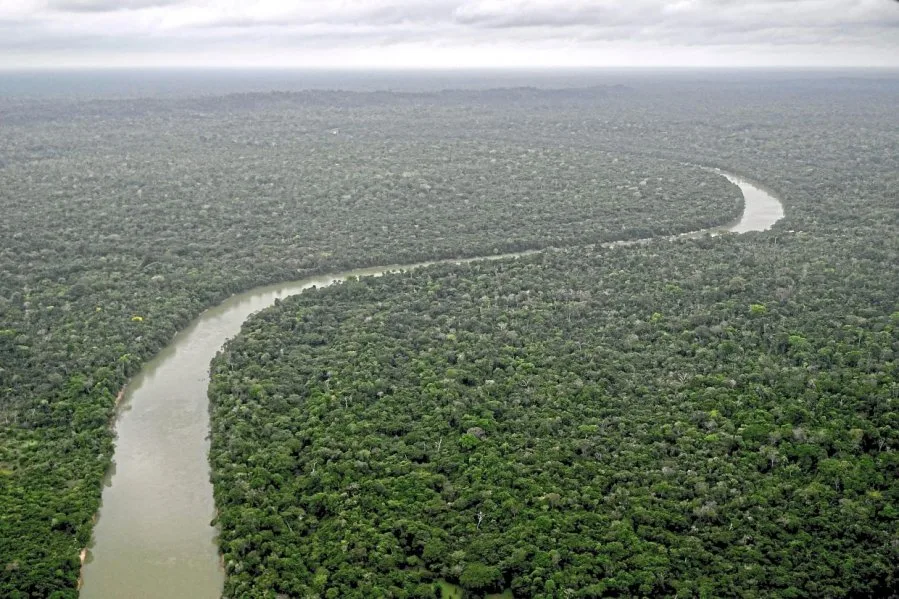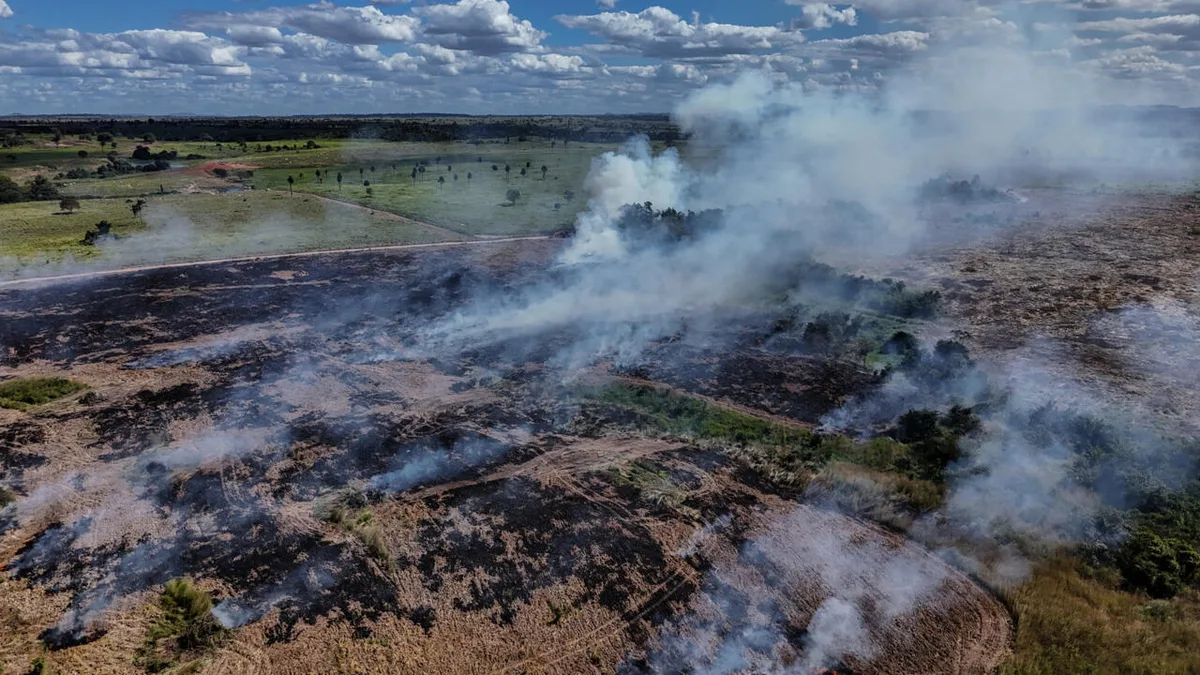
Deforestation in Brazil's Amazon fell 20.6% in 2025 compared with 2024, dropping to 985,000 hectares, the lowest since monitoring began in 2019 [1, 2, 3, 4, 5, 6, 7]. The reduction excludes forest loss caused by fires. After a record fire season in 2024, Brazil experienced relatively few major wildfires last year [1, 2, 3, 4, 5, 7].
President Luiz Inacio Lula da Silva has made fighting deforestation a key policy and pledged to eradicate illegal deforestation by 2030 [1, 2, 3, 4, 5, 7]. Marcos Rosa, technical coordinator for monitoring consortium MapBiomas, said enforcement and sanctions have increased, directly correlating with deforestation drops across all Brazilian biomes [1].
The Amazon biome alone saw deforestation slow by 23.5%, although five trees are still cut down every second in the region [1, 2, 4, 5]. Despite the progress, the Cerrado biome suffered the most in 2025, accounting for over half of Brazil's total vegetation loss [1, 2, 4, 5]. Agriculture was responsible for 99% of vegetation loss nationwide last year [1, 4, 5].
MapBiomas, a consortium of universities, NGOs, and tech firms, has monitored Brazil's ecosystems since 2019 to track such changes [1, 4, 5, 7]. Some environmental groups criticized Lula for approving a large oil exploration project near the Amazon River mouth amid deforestation gains [1, 4, 5].
Preserving forest cover remains crucial as trees are natural carbon sinks vital for fighting climate change [1, 2, 3, 4, 5, 7]. Brazil will host the COP30 climate summit in the Amazon city of Belem in 2025, highlighting the country's environmental role [1, 4, 5]. Lula will seek a fourth presidential term in the October 2026 election [1, 2, 3, 4, 5, 7].