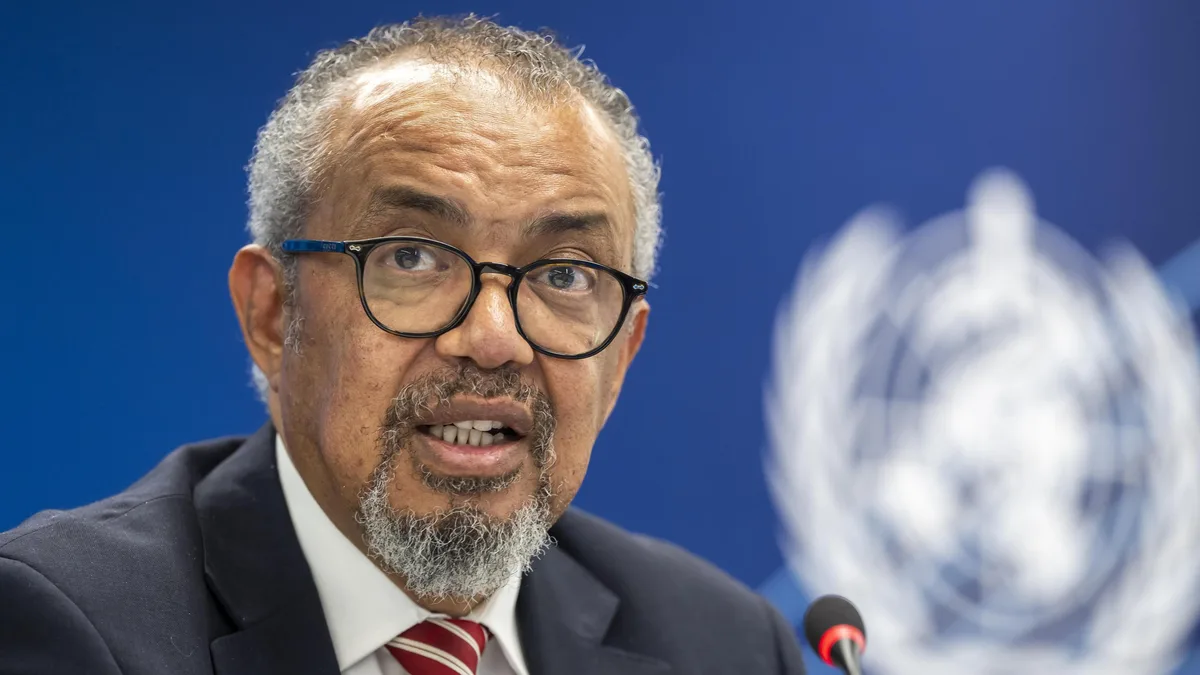
The Democratic Republic of Congo's 2026 Ebola outbreak has recorded at least 4,300 confirmed cases and more than 2,000 deaths, making it the second-largest outbreak on record and on track to eclipse the 2014-2016 West Africa epidemic that killed over 11,000 people [1, 2, 3]. WHO Director-General Tedros Adhanom Ghebreyesus said on August 12 that "at its current pace, [the outbreak] would eclipse that of the 2014-2016 occurrence, which killed at least 11,000 people" [1, 2].
Genetic sequencing suggests the virus was circulating by February 2026 but was not officially declared an outbreak until May 15. Early cases were initially misdiagnosed as malaria or typhoid [1, 2, 3]. WHO's Dr. Chikwe Ihekweazu said it is "impossible" to determine exactly when the outbreak began [3]. The virus strain involved is the rare Bundibugyo species, for which no approved vaccine or therapeutics currently exist [1, 2, 3].
About 90% of cases and 80% of deaths are concentrated in Ituri province, particularly in the health zones of Bunia, Rwampara, Nizi, and Lita [3]. The outbreak now affects 53 health zones across five provinces and is spreading faster than previous Ebola outbreaks [3]. Dr. Mohamed Janabi described the challenge by saying, "We are chasing the virus, the virus is ahead of us" [1].
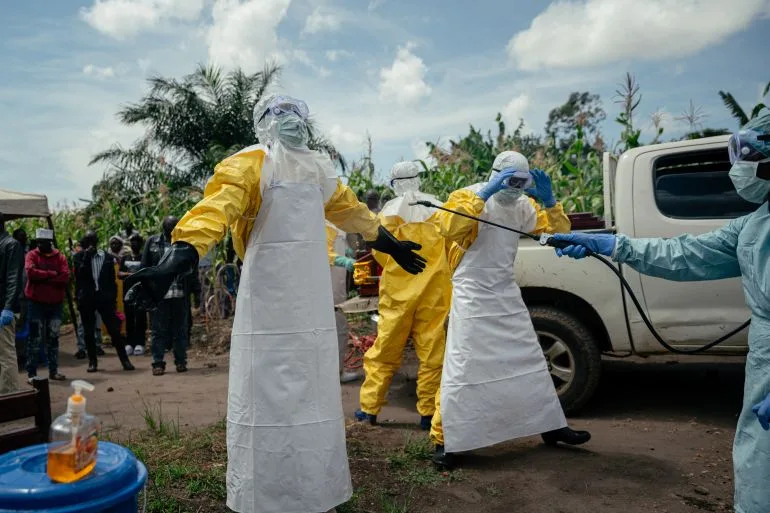
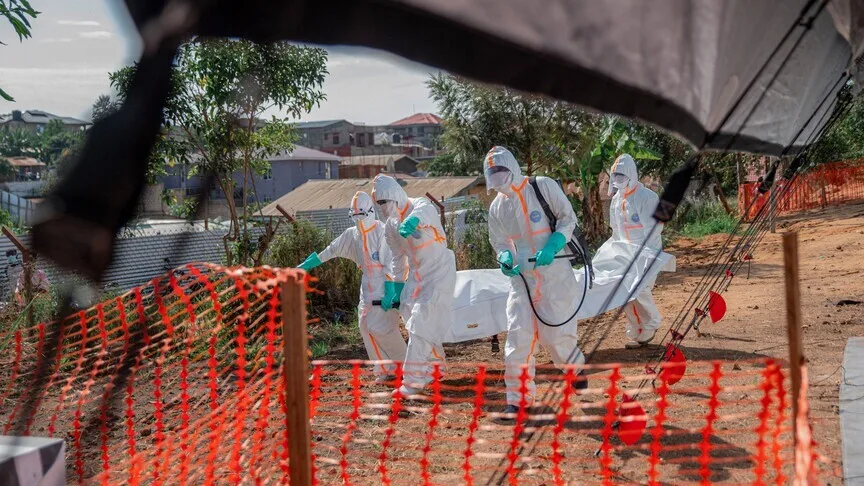
Containment efforts have been hampered by regional instability, ongoing conflict, misinformation, weak infrastructure, and health worker strikes [1, 2]. Many deaths continue to occur in communities outside treatment centers, indicating ongoing unknown transmission chains [3]. About 21,000 community health workers have been trained to combat the virus, with treatment capacity planned to triple to 3,000 beds within 12 weeks [3].
Two vaccines targeting the Bundibugyo strain have entered phase one human safety trials, but no approved vaccine is yet available for widespread use [1, 3]. WHO has disbursed $264 million of the $518 million required under its Continental Preparedness and Response Plan [3]. About 30% of cases have been reached by health workers [1].
WHO projects the outbreak could peak within six months but may last nine to 12 months in a severe scenario. Dr. Abdirahman Mahamud said the agency’s moderate projection expects transmission to reverse within three months, though this likely means bringing spread under control rather than fully ending the outbreak [1, 2]. Dr. Chikwe Ihekweazu added, "At the moment, the message is very clear: we are not where we need to be" [3].
The WHO will continue scaling up treatment and prevention efforts this year to try to halt the virus’s rapid spread.