The Democratic Republic of Congo government and the Rwanda-backed M23 rebel group agreed on a roadmap for peace talks following five days of negotiations held in Switzerland from August 17 to August 21, 2026 [1, 2, 3]. The roadmap, built on the Doha Framework Agreement signed in November 2025, outlines sequenced steps and timelines for further negotiations [1, 2, 3].
The parties also agreed to set up a mechanism to monitor ceasefire violations and address challenges in implementing the Framework Agreement [1, 2, 3]. As part of the peace process, the DR Congo handed over 15 prisoners to the Congo River Alliance and M23 earlier this month, a transfer facilitated by the International Committee of the Red Cross [2].
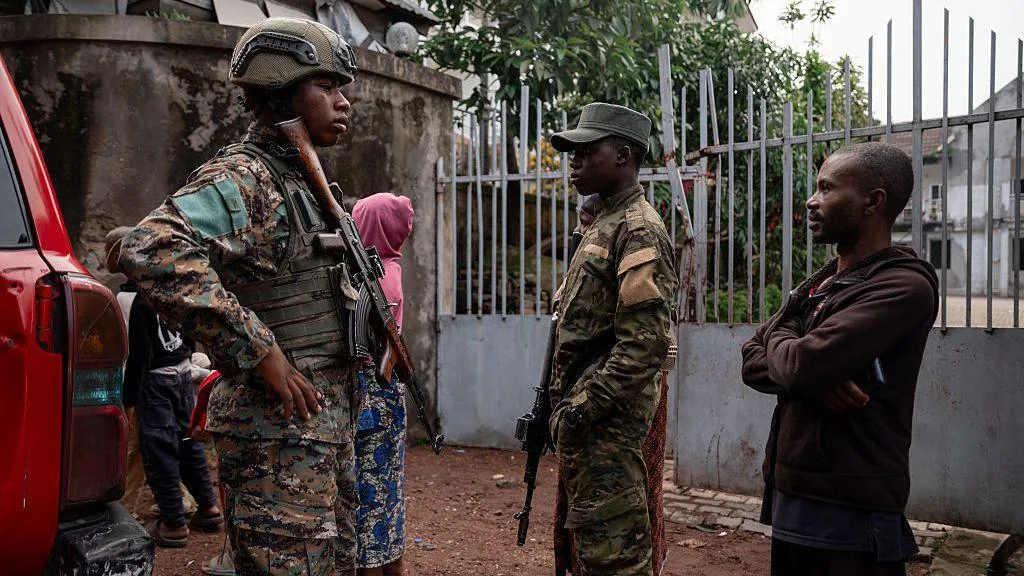
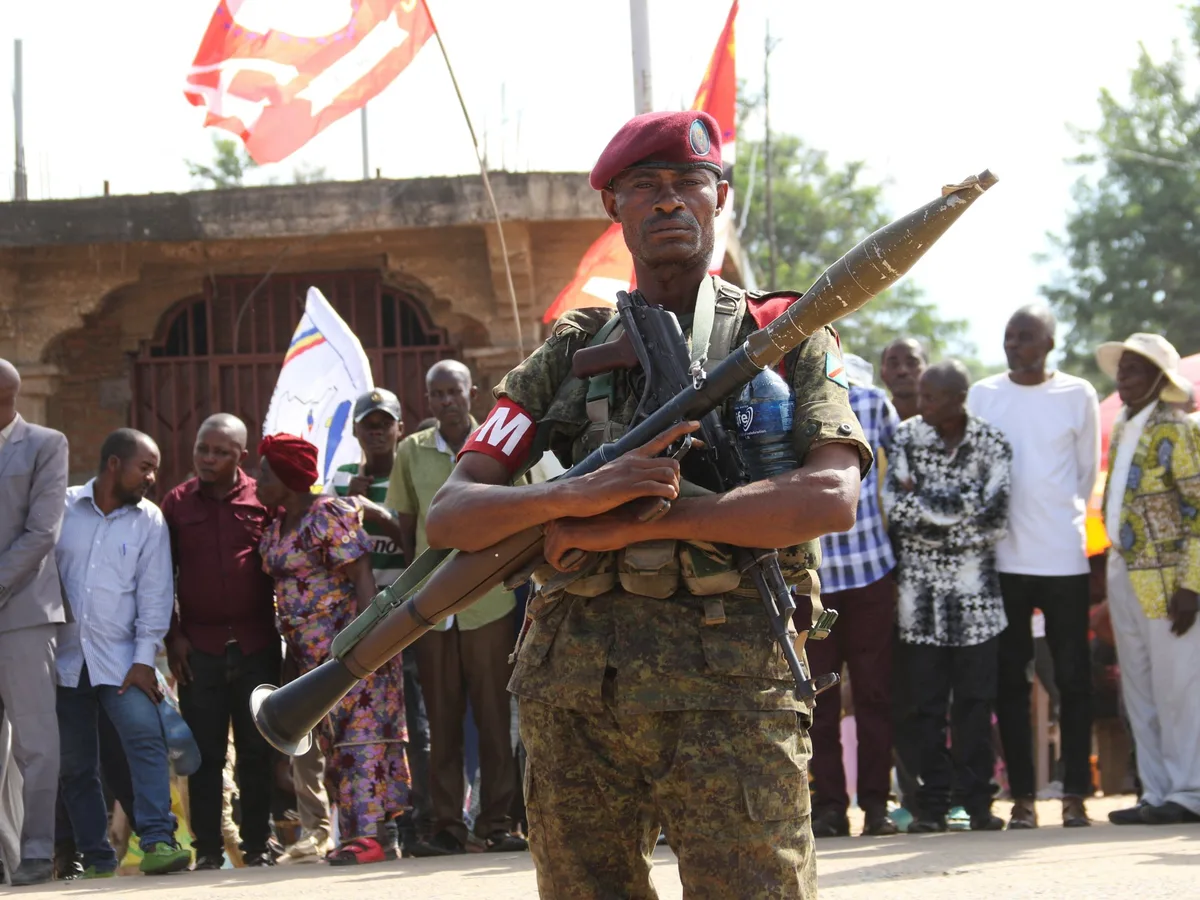
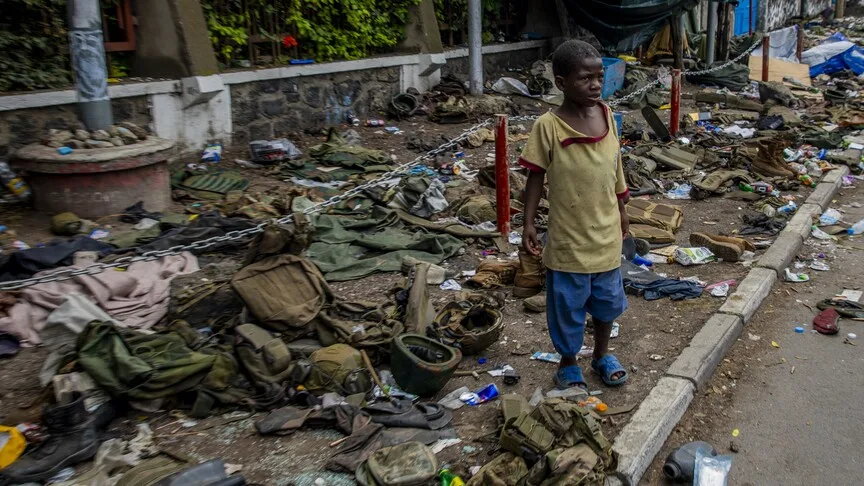
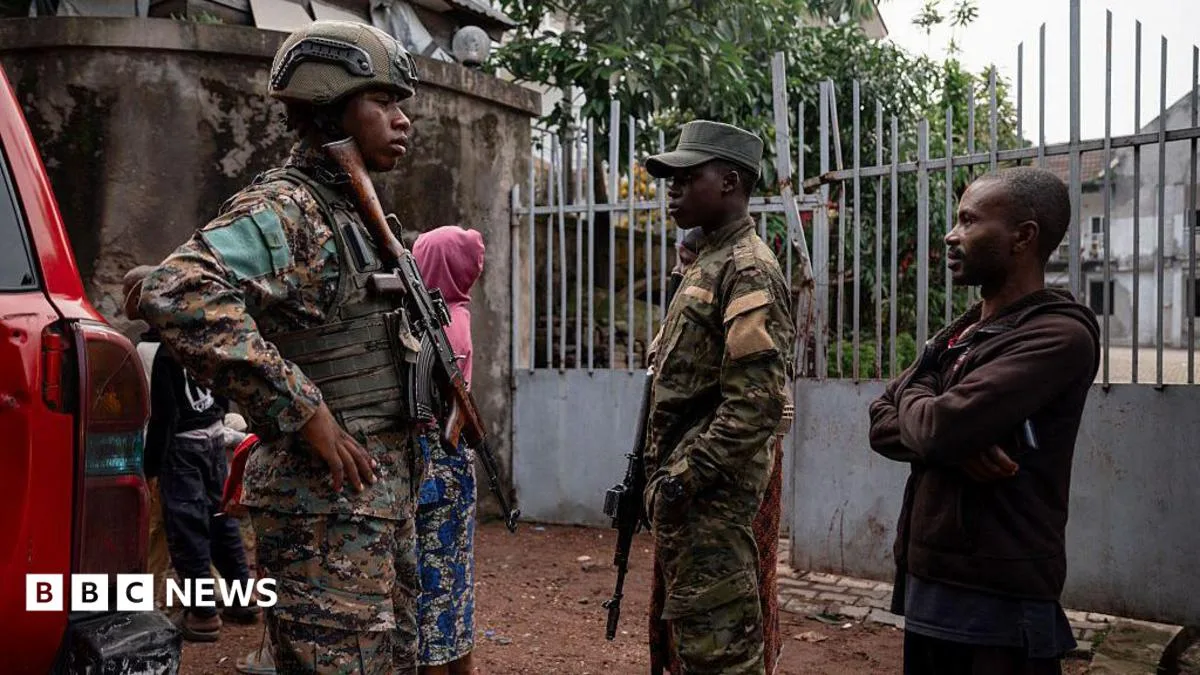
Despite ceasefire efforts, fighting continues in eastern DR Congo’s North and South Kivu provinces [1, 2, 3]. M23 resumed its offensive in 2021, capturing key territories including the provincial capitals Goma and Bukavu by early 2025 [1, 2, 3]. The conflict is tied to regional tensions between DR Congo and Rwanda, with accusations of support for armed groups including M23 and the FDLR [1].
On August 23, M23 spokesperson Lawrence Kanyuka accused DR Congo coalition forces of launching airstrikes on civilian areas in the Minembwe region using kamikaze drones, causing casualties and damage. He said, “DRC coalition forces had launched air raids using kamikaze drones against densely populated areas in the Minembwe region earlier that day. These bombings caused civilian casualties and significant damage to civilian infrastructure.” [2] He also claimed strikes targeted Mukoko and Nyamabuguma in the Minembwe axis [3]. Al Jazeera could not independently verify these claims [2].
The peace talks were relocated from Doha to Switzerland earlier in 2026 due to conflicts in the Middle East [3]. An Ebola outbreak since May 2026 has worsened humanitarian conditions in eastern DR Congo, with over 2,500 deaths reported [2].
A ceasefire verification mission is scheduled for August 24 in the Minembwe region of South Kivu to monitor compliance and build trust between the parties [1, 2, 3].