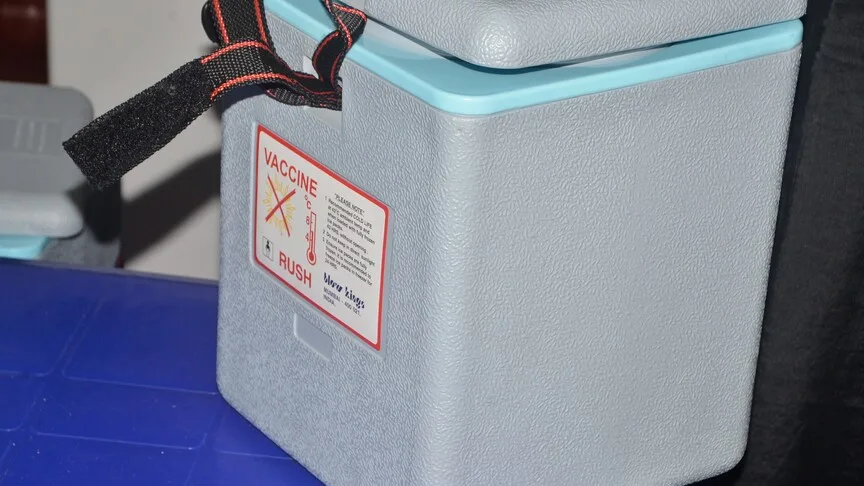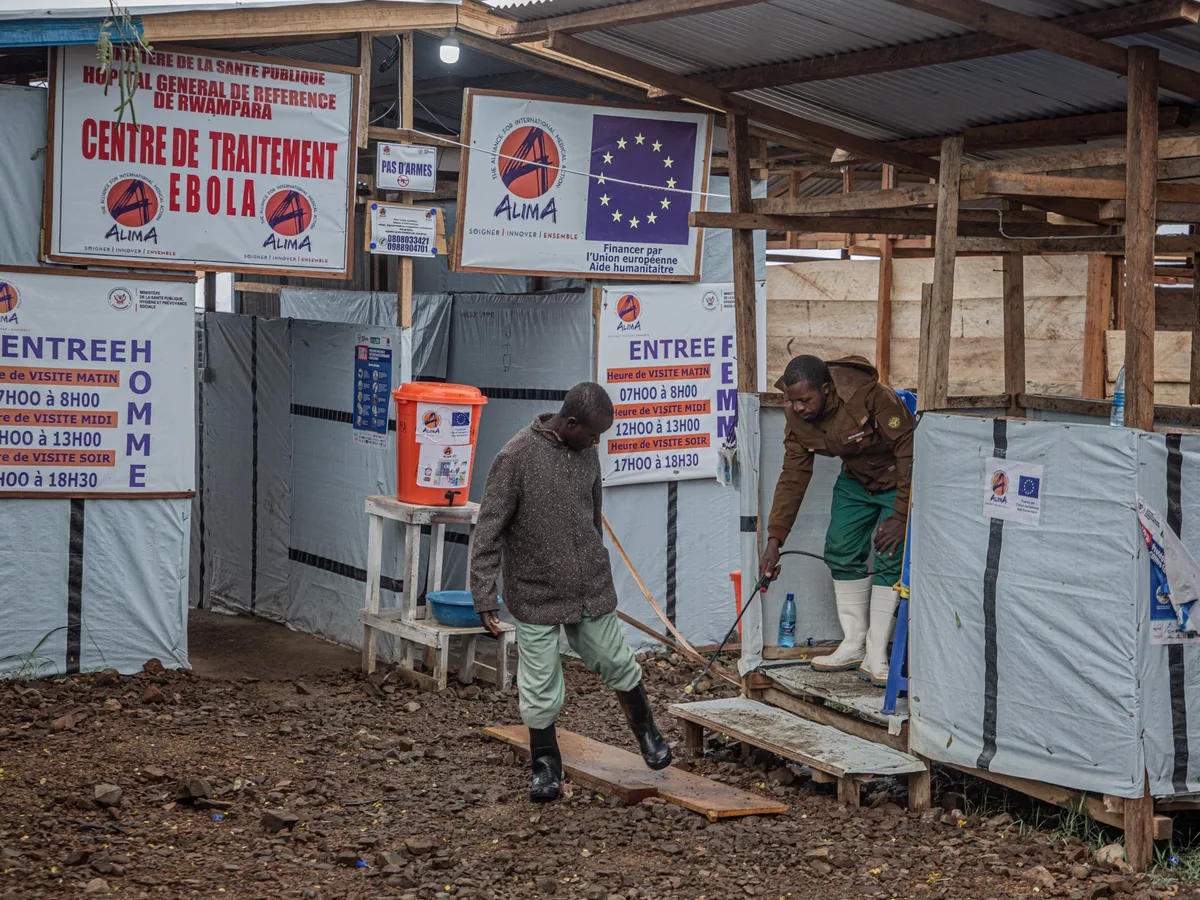
The Democratic Republic of Congo received the first batch of approximately 16,520 doses of the Ervebo Ebola vaccine on August 21 in Kinshasa to help contain its deadliest Ebola outbreak to date [1, 2, 3]. Health Minister Samuel Roger Kamba said, "These doses would strengthen the government’s response to Ebola and contribute to the protection of populations, with the support of our partners" [1]. An alternative figure of 16,250 doses was also reported by another source [2].
More than 50,000 additional doses are expected to arrive by Monday, with the World Health Organization pledging a total of 70,000 doses for DR Congo [1, 3]. Of these, 20,000 doses will be used in a Phase 3 clinical trial to evaluate Ervebo’s effectiveness against the Bundibugyo virus strain responsible for the current outbreak, a strain for which the vaccine has not yet received official approval [1, 2, 3]. The remaining doses will be prioritized for frontline and healthcare workers [1, 2, 3].
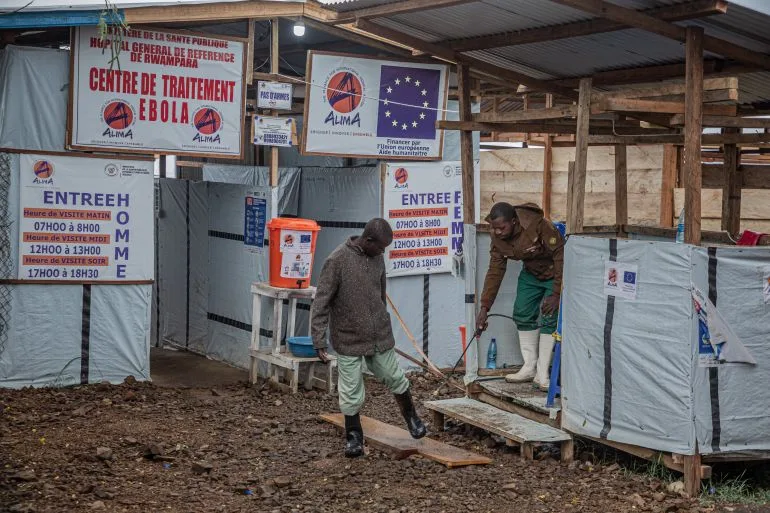
Since mid-May 2026, the Ebola outbreak has spread across 56 health zones in six provinces: Haut-Uele, Ituri, North Kivu, South Kivu, Bas-Uele, and Tshopo [1, 3]. The epidemic has caused over 5,290 confirmed cases and more than 2,500 deaths, making it the deadliest outbreak in DR Congo’s history [1, 2, 3].
Doctors Without Borders warned that communities are not receiving sufficient support to contain the outbreak. The group urges urgent training of health workers and community leaders on detection, referrals, and infection control to reduce spread [1, 3]. Armed conflict, delays in case identification, and poor infrastructure have worsened epidemic control efforts, according to WHO [2].
The Ervebo vaccine has been previously used extensively by DR Congo, including "on a very large scale" during the 2018-2020 outbreak, according to the health minister [2].
The next shipment of over 50,000 Ervebo vaccine doses is expected by August 24 to bolster immunization efforts against Ebola in the hardest-hit regions [1, 3].