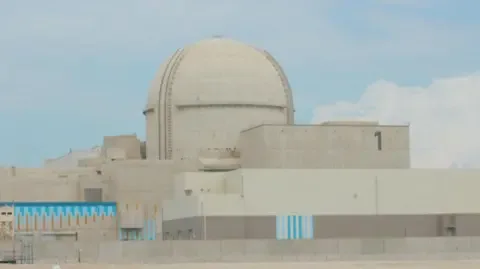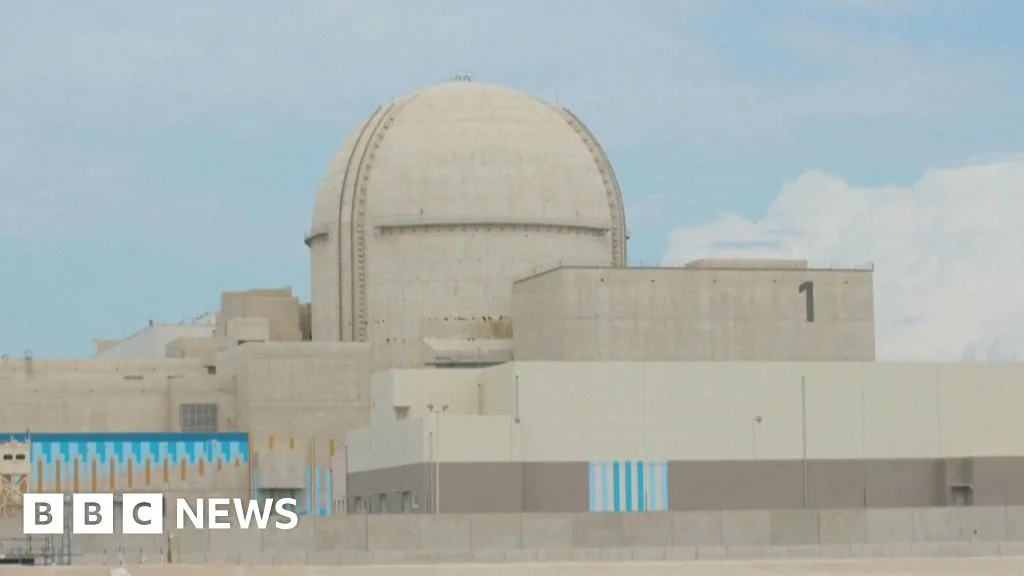
A drone strike on May 17 ignited a fire at an electrical generator just outside the inner perimeter of the Barakah Nuclear Power Plant in Abu Dhabi, United Arab Emirates, officials said [1, 2, 3, 4]. The plant, located about 200 kilometers west of Abu Dhabi, is the Arab world’s first commercial nuclear power station and began operating in 2020 [2, 4, 5]. The fire caused no injuries and did not affect radiological safety, authorities confirmed [1, 4, 5].
Three drones entered UAE airspace from the west; the UAE military intercepted two, while the third struck the plant [1, 6, 5, 7]. The UAE defense ministry later reported that six drones had been launched from Iraq over the previous 48 hours, including the one that hit Barakah, though Iraq denied such launches from its airspace [8]. The exact origin of the drones is still under investigation [1, 6, 8].
The UAE has blamed Iran or its proxies for the attack and called it a dangerous escalation and a violation of international law. Anwar Gargash, an Emirati presidential adviser, said the strike “represents a dangerous escalation” whether carried out directly or through agents [1, 5]. The UAE foreign ministry condemned the attack as “an unacceptable act of aggression and a direct threat to the country’s security” and asserted its right to respond [5]. The defense ministry said it will firmly confront any threats and investigate the attack’s source [1, 6, 8].
The International Atomic Energy Agency (IAEA) is closely monitoring the situation. IAEA Director General Rafael Grossi expressed grave concern and warned that “military activity that threatens nuclear safety is unacceptable; maximum military restraint is needed” [1, 3, 4].
The incident comes amid fragile tensions in the Gulf, with a ceasefire between the US and Iran in place since April 8 but sporadic drone strikes and attacks continuing [1, 3]. Saudi Arabia also condemned the strike and reported intercepting drones from Iraqi airspace as regional tensions rise [6, 8].
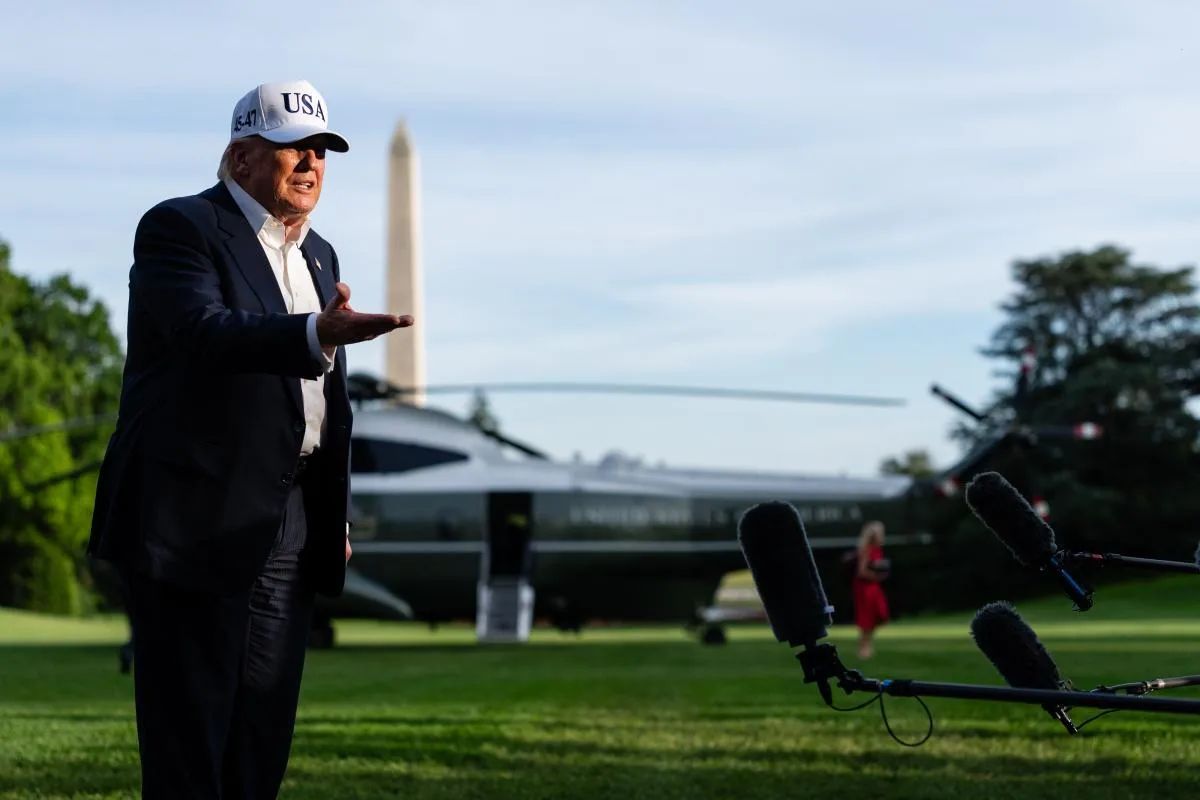
US President Donald Trump publicly warned Iran the day after the Barakah attack that "the clock is ticking" on stalled peace talks, emphasizing urgency [6, 9, 10].
The Barakah plant supplies up to a quarter of UAE’s electricity demand and is vital to the country’s energy goals [2]. Officials continue to investigate the origin of the drones and maintain heightened security around the facility following the incident [8].