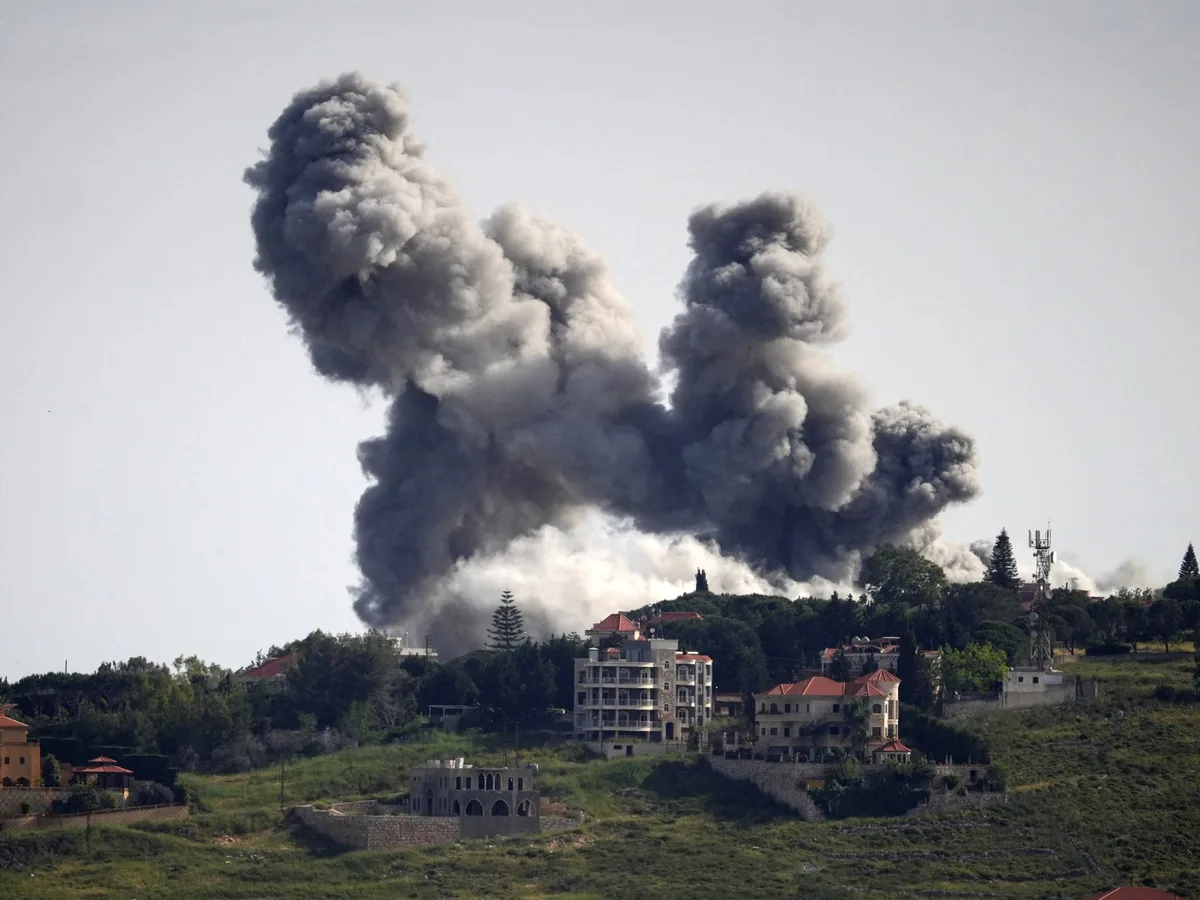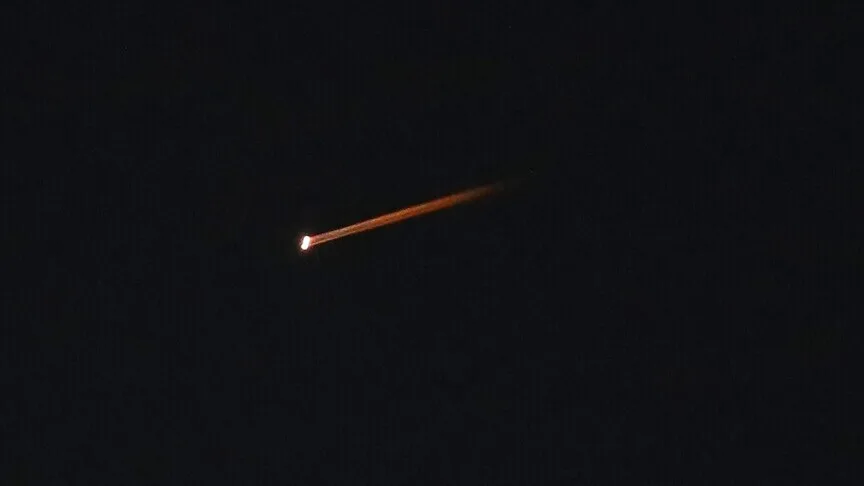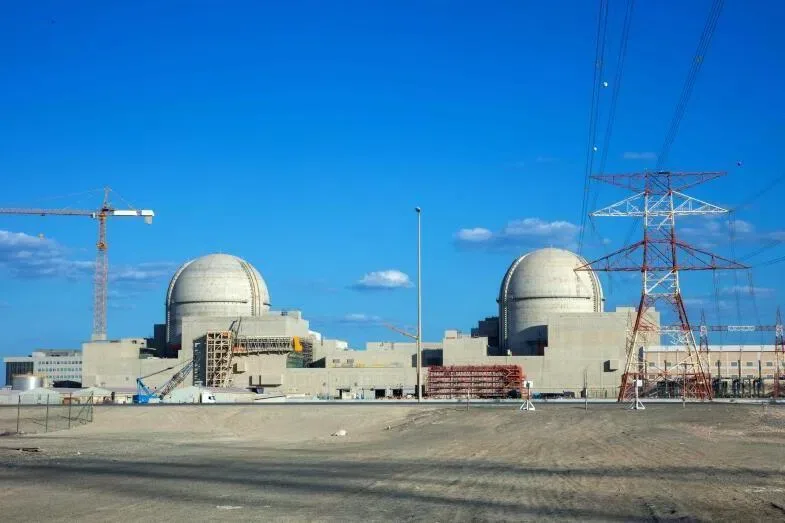
A drone strike ignited a fire near the Barakah Nuclear Power Plant in the United Arab Emirates on May 17. The attack hit an electrical generator outside the plant’s inner perimeter. Authorities reported no injuries or radiological release from the incident [1, 2]. The International Atomic Energy Agency said emergency diesel generators are powering Unit 3 of the Barakah plant after the strike and urged all parties to exercise maximum military restraint near nuclear sites [1].
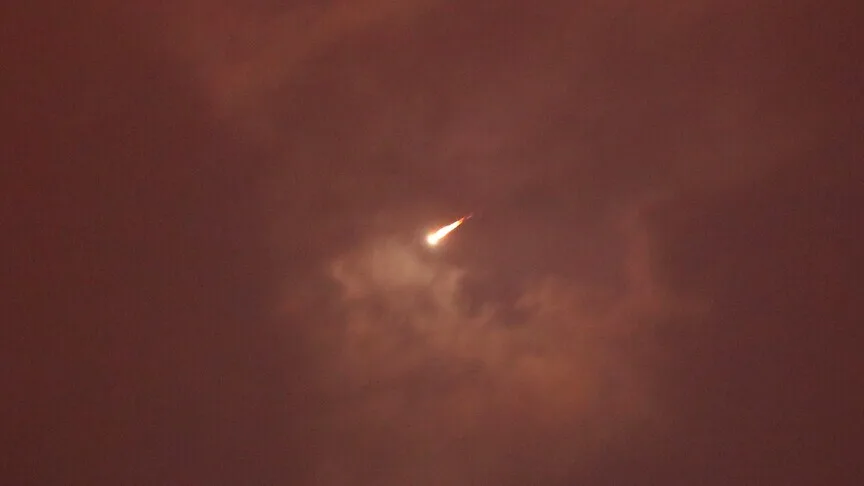
On the same day, Saudi Arabia intercepted and destroyed three drones that entered its airspace from Iraqi territory. Saudi Defense Ministry spokesman Turki al-Maliki said "the kingdom reserves the right to respond at the appropriate time and place" [1, 2, 3, 4]. Both the UAE and Saudi Arabia condemned the attacks as violations of their sovereignty and security [1, 4].
The drone strikes come amid an ongoing conflict involving Iran and the US-Israel coalition that escalated after US and Israeli strikes on Iran on February 28. Iran has targeted Gulf states hosting US military bases, including the UAE and Saudi Arabia, in this conflict [1, 3, 4].
A ceasefire mediated by Pakistan took effect on April 8. However, the truce remains fragile and peace talks have yet to yield a lasting agreement [1, 3, 4]. On May 18, US President Donald Trump warned Iran to act swiftly, stating that "the clock is ticking for a peace deal to be reached with Washington" [1, 2].
The next major development will be monitoring whether talks can advance and whether military restraint will hold near critical infrastructure like the Barakah plant.