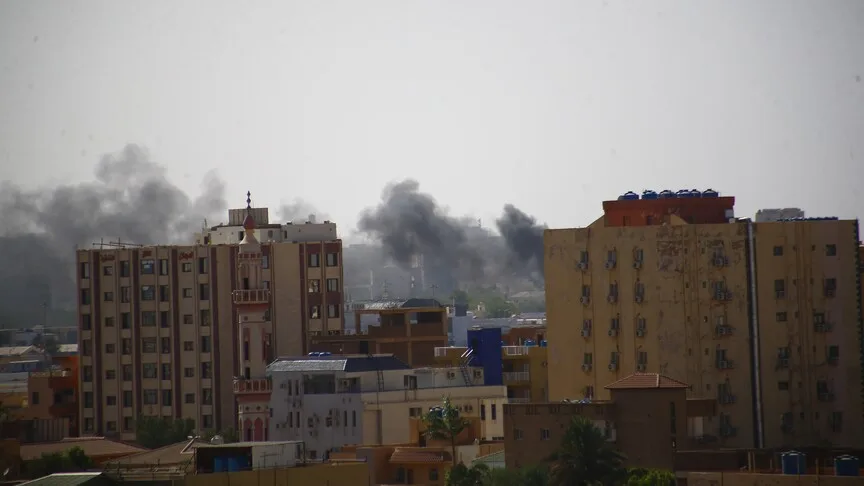
A drone strike on June 6 struck the main market in Abu Zaeima, a paramilitary-controlled town in North Kordofan state, Sudan, killing at least 11 civilians and injuring dozens more [1, 2]. The attack came after similar drone strikes targeted two villages in the region the previous day, killing four and injuring six [2].
No group has claimed responsibility for the drone strikes. Neither the Sudanese army nor the Rapid Support Forces (RSF) have acknowledged carrying out the attacks [1, 2]. Another drone hit a fuel station in el-Obeid, North Kordofan's capital, later on June 6, wounding at least four people [1].
The Emergency Lawyers group condemned the attacks, stating that "the repeated targeting of civilians, villages and civilian means of transport reflected a blatant disregard for human life and the basic principles of international humanitarian law" [2]. The group also called for accountability, saying "the continued loss of civilian life should not be treated as routine and [there is a need] for an end to such attacks, as well as accountability for those responsible" [1].
The drone strikes are part of a recent surge in violence in Kordofan states. Fighting has intensified since the RSF captured el-Fasher in October 2025, a key military stronghold in western Darfur [1, 2]. The broader conflict began in April 2023 between the Sudanese army and the RSF over paramilitary integration plans and has killed tens of thousands and displaced nearly 13 million people [2].
United Nations data shows that at least 880 civilians have died from drone strikes across Sudan from January to April 2026 [1, 2]. Nearly 70 deaths were reported in two drone attacks in West and North Kordofan over the past week alone [1].
As of today, no ceasefire or truce dates have been announced. The repeated drone strikes and civilian toll add urgency to calls for a halt to attacks and accountability for those responsible [1, 2].