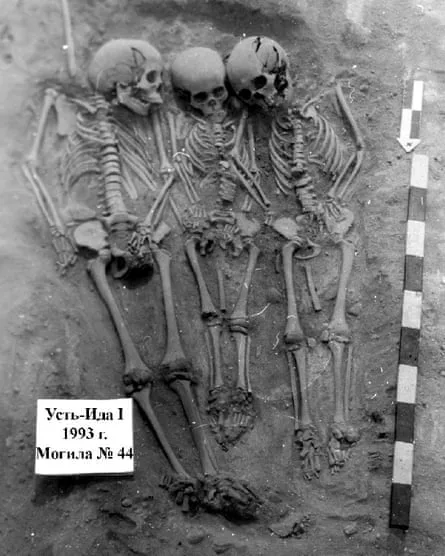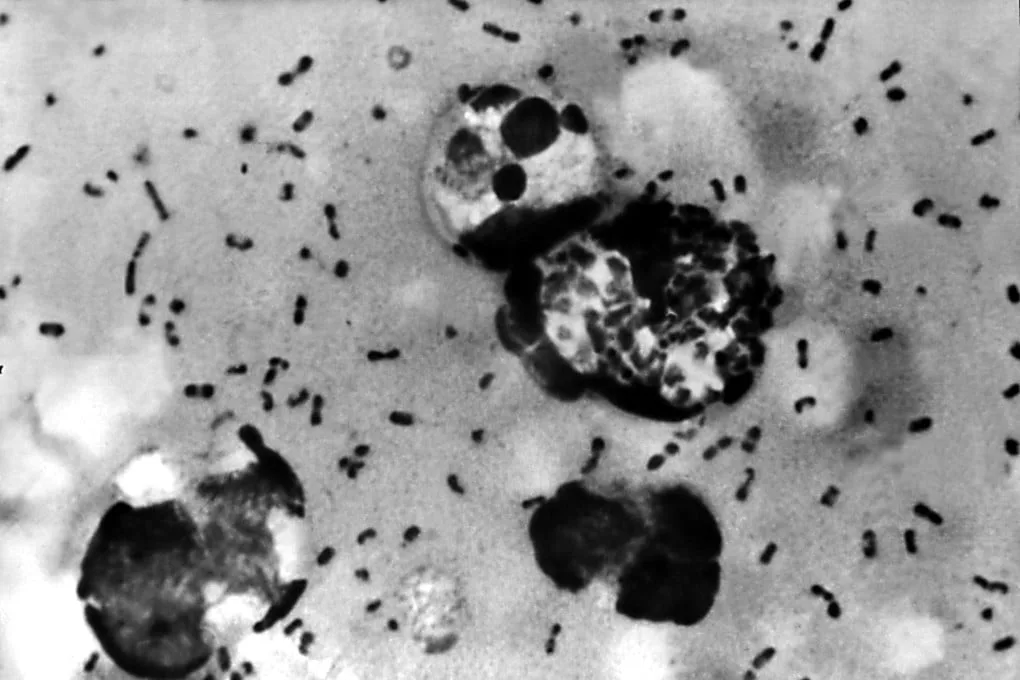
The oldest evidence of a plague outbreak was discovered near Lake Baikal in south-eastern Siberia, where late Stone Age cemeteries revealed the presence of Yersinia pestis DNA dating to about 5,500 years ago [1, 2, 3]. Ancient DNA analysis identified the plague bacterium in 18 individuals from 42 to 46 tested skeletons across four cemeteries along the Angara River, northwest of Lake Baikal [1, 2, 3]. The prevalence of plague DNA in 39% of tested individuals is higher than some medieval plague burial sites [1, 3].
The outbreak appears to have originated from marmots, native large rodents, transmitting the bacterium to humans through butchering or consuming raw animal products [1, 2, 3]. After zoonotic transfer, the plague spread through person-to-person contact in the hunter-gatherer communities. Family groups were decimated, with children under 15 years old making up at least two-thirds of the dead at some sites [1, 3].
Research indicates there were two distinct plague outbreaks in the region. The second occurred 400 to 600 years after the first, also near Lake Baikal [1, 2]. The ancient strain possessed genetic traits making it especially lethal to young people—traits that modern Yersinia pestis no longer retains [3].
These findings challenge the assumption that major plague outbreaks emerged only after agriculture and dense human settlements developed. Instead, deadly outbreaks occurred among mobile hunter-gatherers thousands of years earlier [3]. Ruairidh Macleod, a lead researcher, said, "The findings fundamentally change how we think about the origins and early impact of one of humanity's most consequential pathogens." He added, "It's only with the development of methods for studying ancient DNA that we've discovered it's been around a lot longer than what we know from historical records." [3]
Eske Willerslev, another principal investigator, stated, "To understand our own history, we believe that understanding the history of plague is extremely important." [2]
The next oldest known evidence of plague DNA was found between 5,300 and 5,000 years ago in Latvia, about 5,000 kilometers from the Siberian sites [3]. Research on these prehistoric outbreaks continues to inform the early history of infectious diseases.
Further studies are expected to refine the timeline and geographic spread of plague among ancient human populations.