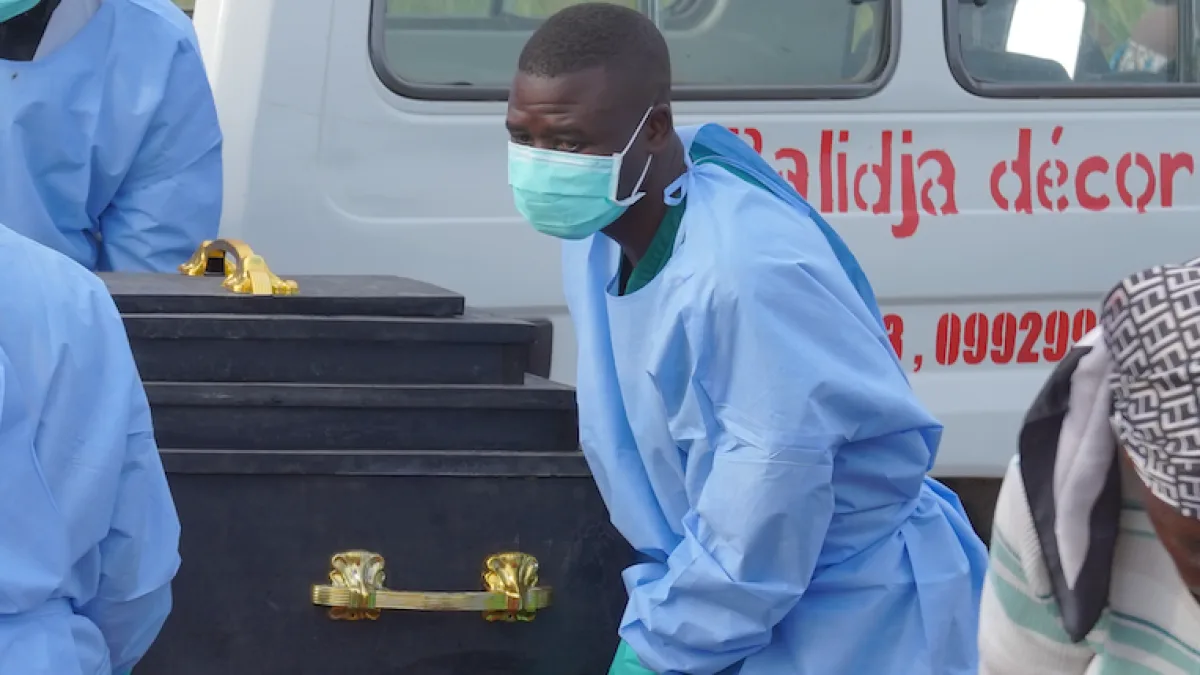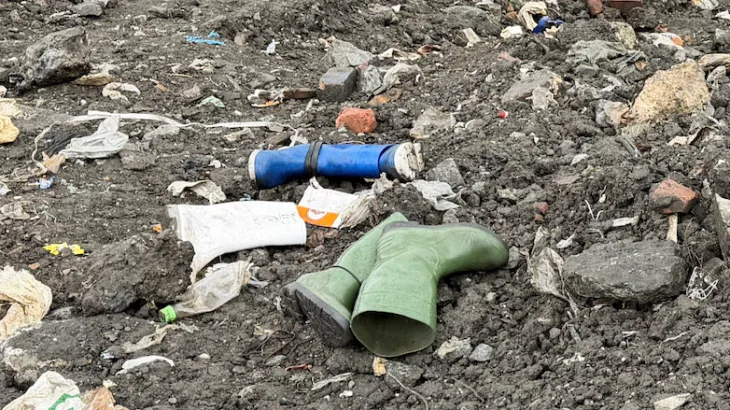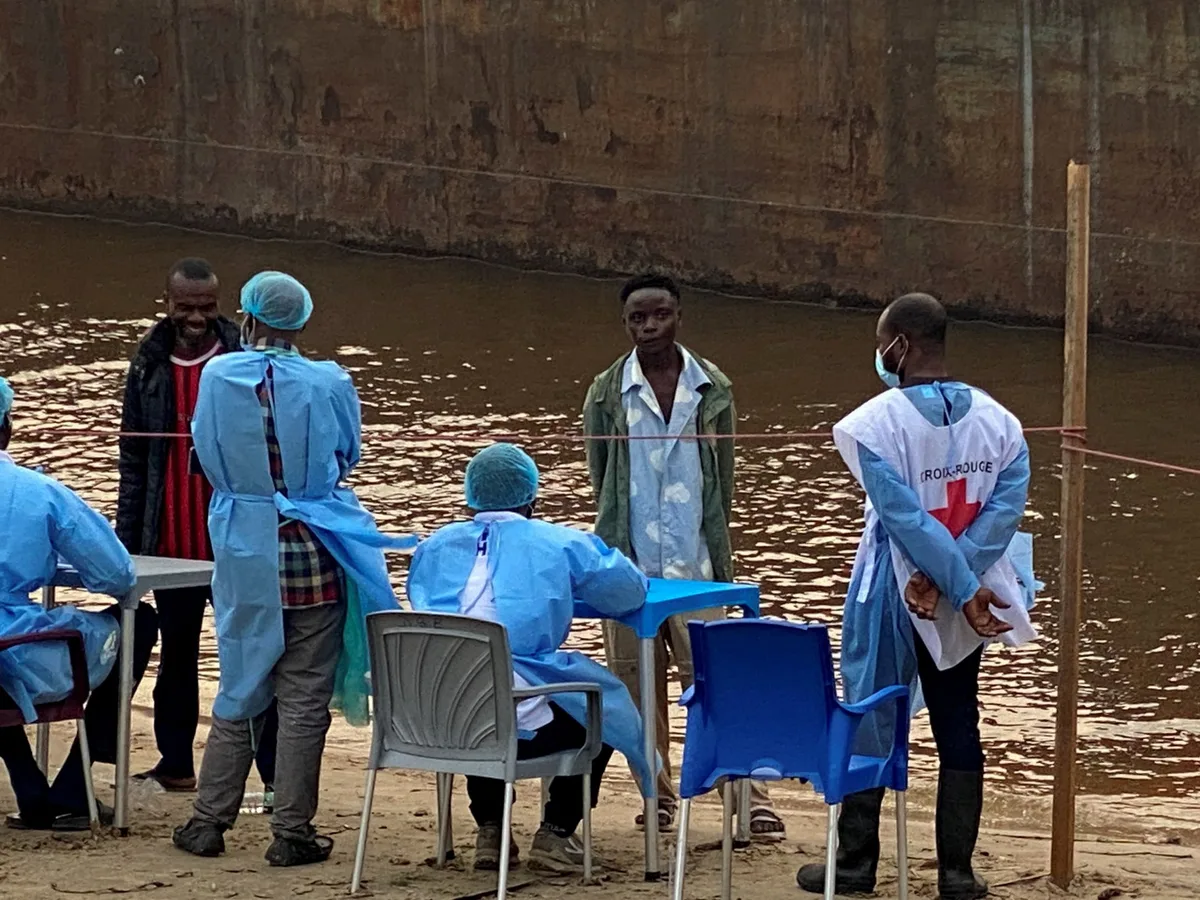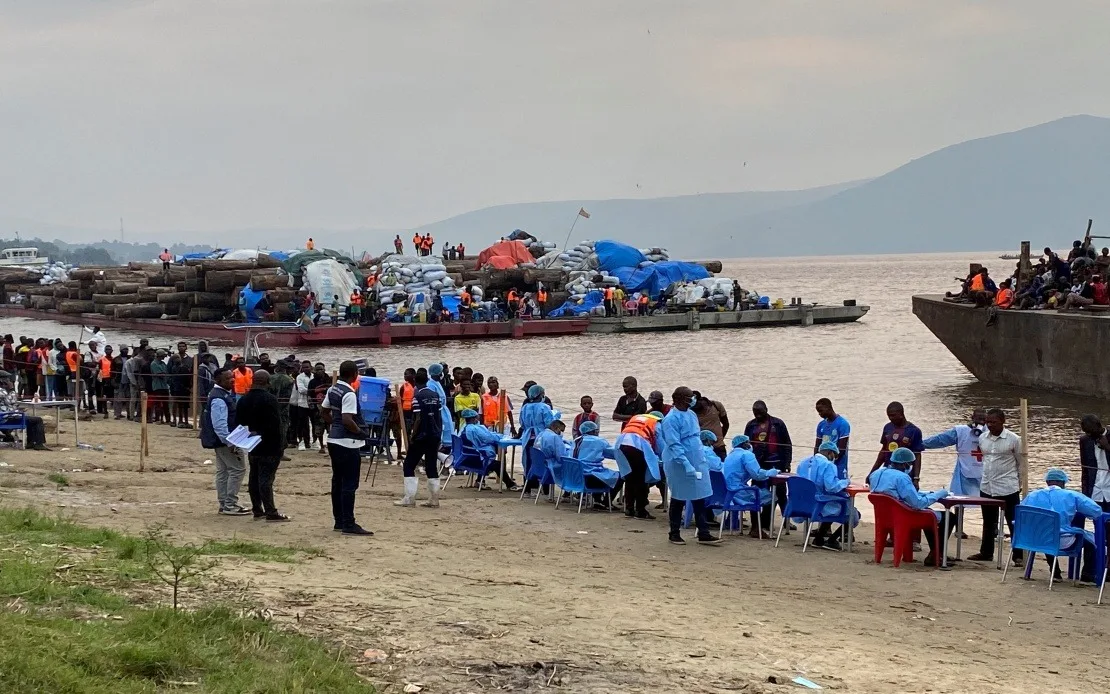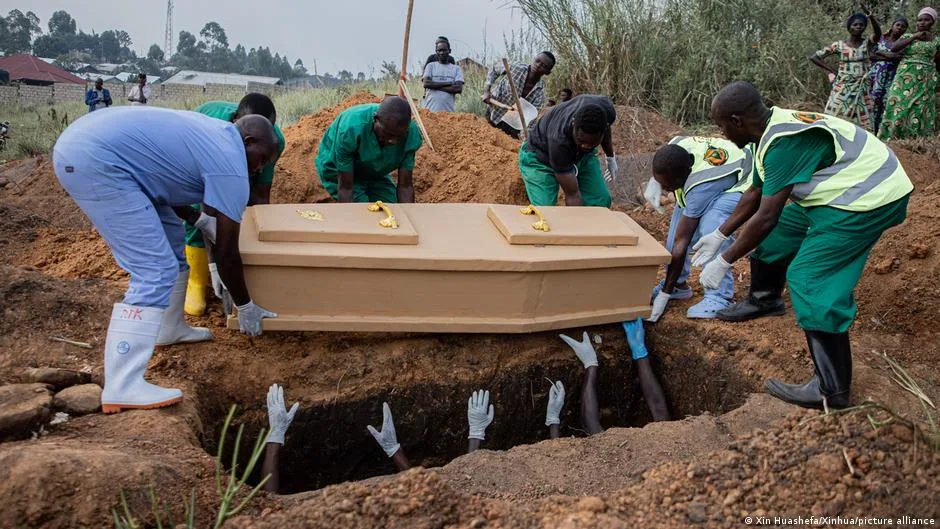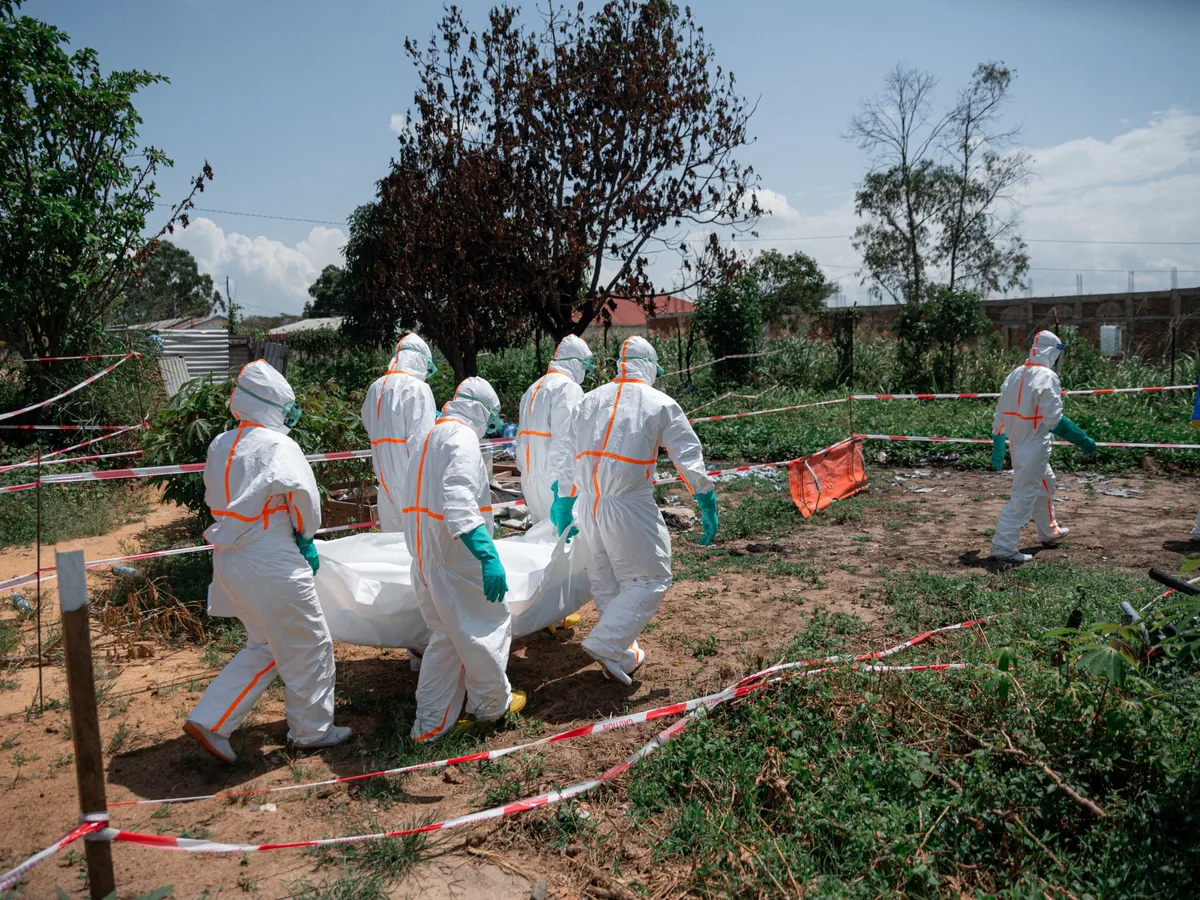
The Democratic Republic of Congo’s Ebola outbreak has rapidly expanded, with the death toll surpassing 2,000 and confirmed cases ranging between 4,381 and 4,566 as of August 11-14, 2026 [1, 2, 3, 4, 5, 6, 7]. This outbreak, caused by the Bundibugyo strain of the virus for which no approved vaccine or treatment exists, is the largest recorded in the country by case count and the second largest globally after the 2014-2016 West Africa epidemic [1, 2, 3, 6].
The epidemic officially began May 15, 2026, but genetic evidence suggests the virus circulated since January or February 2026, initially emerging in northeastern Ituri province [1, 2, 5, 6, 8, 7]. It has now spread to at least six provinces: Ituri, North Kivu, South Kivu, Haut-Uele, Tshopo, and Bas-Uele, with the latter reporting its first death on August 13 [1, 5, 7]. Security challenges and ongoing conflicts in the eastern provinces have hindered containment efforts, causing loss of control in some areas and probable underreporting of cases [1, 3, 8].
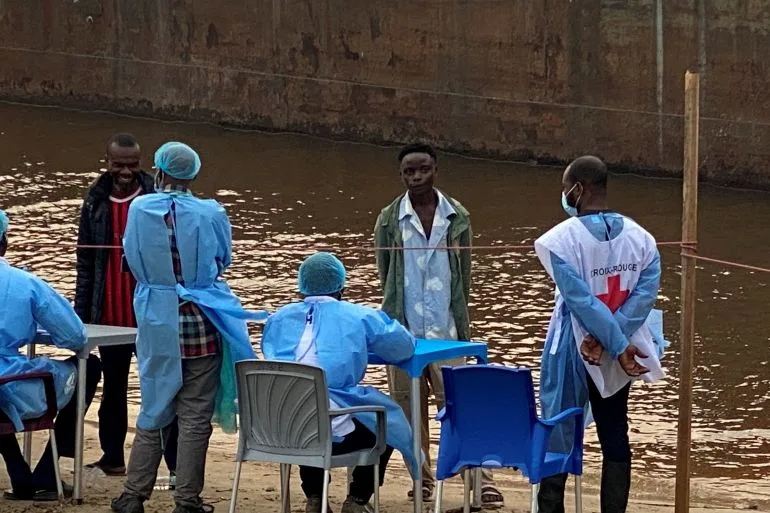
The case fatality rate stands at approximately 45.9% [3, 7], with 60-70% of deaths occurring outside treatment centers, complicating efforts to break transmission chains [7]. Health zones affected total 53, reflecting the epidemic’s geographic breadth [8, 7]. Although 86% of new cases are not linked to known contacts, health authorities have established isolation centers, including one at Kinshasa’s Cinquantenaire Hospital, to prepare for possible spread to the capital [1].
Clinical trials for two antiviral treatments and two candidate vaccines targeting Bundibugyo began in July in Ituri province [3, 5, 8]. Meanwhile, the WHO has recommended prioritizing the licensed Ebola vaccine Ervebo for randomized trials after animal studies suggested some cross-protection against this strain [8, 7].
Officials highlight the unprecedented speed of spread. Jean-Jacques Muyembe, a senior health official, said, “This is an exceptional speed of spread, which we have never observed before,” and added, “If there is a suspected case, the epidemiological services and the INRB laboratory are ready to quickly identify and confirm cases.” [1, 8] Mohamed Yakub Janabi, involved in response efforts, noted, “We are chasing the virus. The virus is ahead of us.” [7] Jean Kaseya warned that failure to stop the outbreak could lead to it lasting over a year and becoming the world’s largest [5].
Outside the DRC, on August 11, Israel reported a potential Ebola case in a traveler returning from the country; test results were pending and the individual was isolated [2]. The US government increased funding to $512 million to support the response as of early August [6].
The outbreak continues to grow amid complex humanitarian and security conditions. Clinical trials and enhanced surveillance remain active in affected provinces.