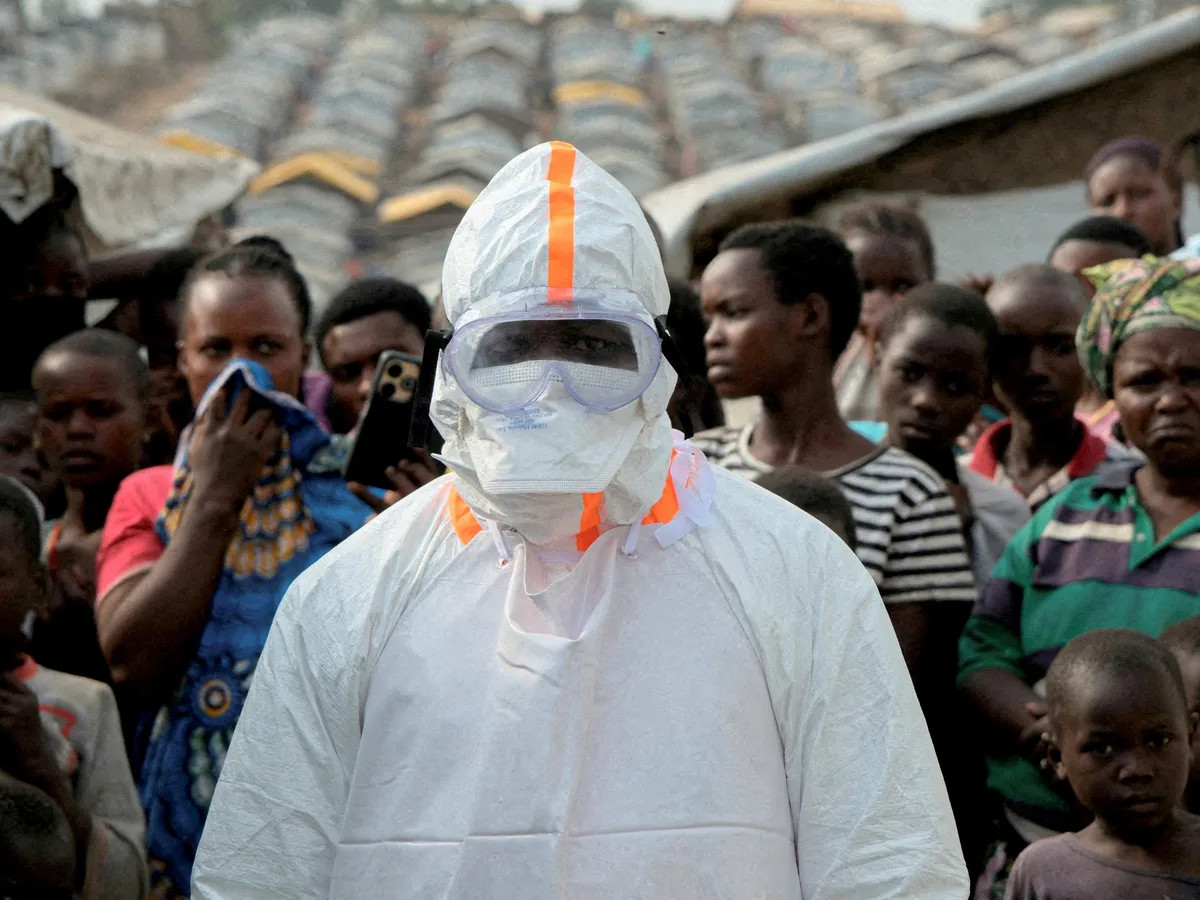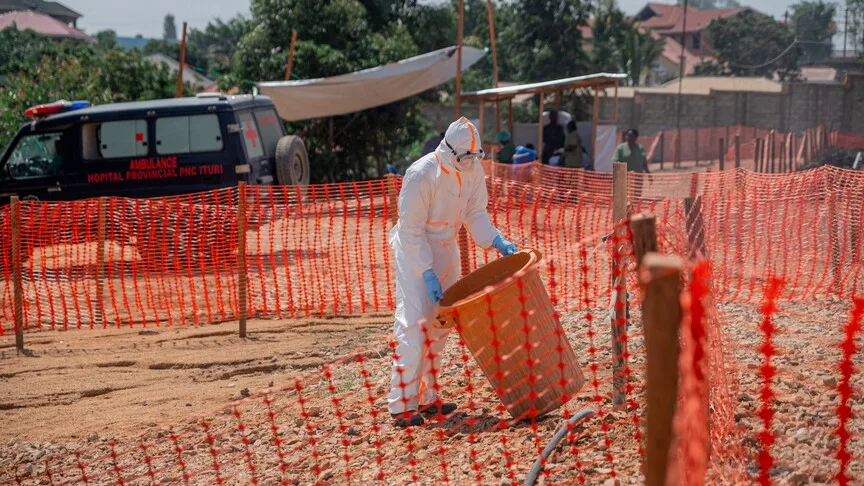
The Ebola outbreak in the Democratic Republic of Congo has reached 3,200 confirmed cases with at least 1,405 deaths as of late July 2026, according to official reports [1, 2, 3]. Declared on May 15, this is the 17th Ebola outbreak in the country and is caused by the Bundibugyo strain, for which there is no approved vaccine or treatment [1, 3].
Nearly 90% of infections have been reported in the northeastern province of Ituri, though the virus has spread across five provinces including Haut-Uele, North Kivu, South Kivu, and Tshopo [1, 3]. As of July 25, 773 patients remained hospitalized or in isolation, while 571 had recovered [3].
Health officials continue surveillance, diagnostic testing, case management, and contact tracing efforts amid significant challenges. Insecurity, mistrust among communities, and attacks on health facilities have hindered response work. Hedley Tah of the UN Humanitarian Air Service said, "In many cases the humanitarian community wants to help, but the real challenge is getting there" [1].
The current outbreak is nearing the scale of DR Congo's 2018-2020 Ebola outbreak, which had 3,470 cases and 2,287 deaths. That earlier outbreak was caused by the Zaire strain and benefited from an effective vaccine, which is not available for Bundibugyo [2, 3]. In response, Oxford University recently vaccinated the first group of volunteers with an experimental vaccine targeting the Bundibugyo strain [1].
Healthcare workers have staged strikes over unpaid wages, adding to challenges amid a potential several-month prolonged outbreak [1]. In early July, the United Nations deployed a mobile peacekeeping base near Nyakunde after an Ebola treatment center was vandalized [2].
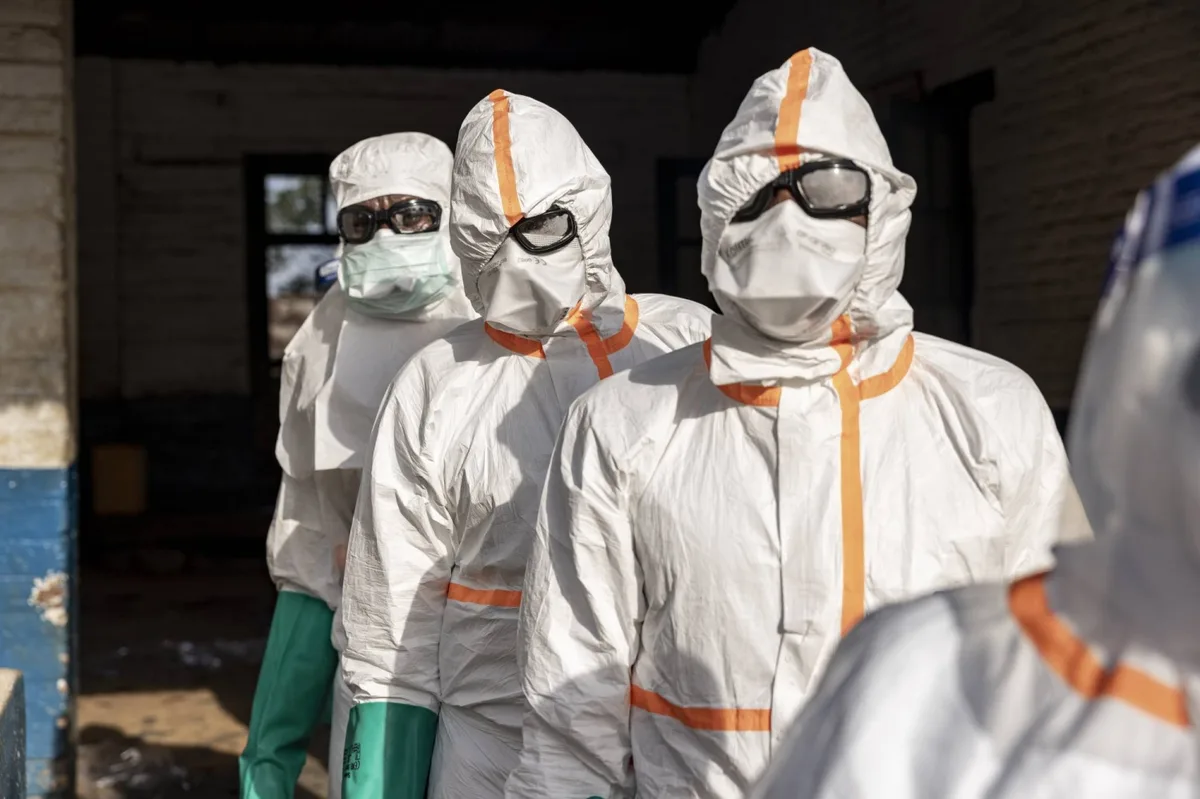
The African Union and DR Congo officials agreed on immediate measures to strengthen response efforts and protect frontline health workers. Africa CDC Director General Jean Kaseya said, "Immediate measures had been agreed with Congolese Prime Minister Judith Suminwa to strengthen the Ebola response, protect frontline health workers and address critical operational gaps" [3]. The African Union Assembly called for raising $1.4 billion to fund the response across the continent, an appeal Kaseya renewed last week [3].
The outbreak continues to evolve with response efforts ongoing amid difficult conditions and a rising case count. Further vaccination trials and expanded funding are expected to play major roles in coming months.