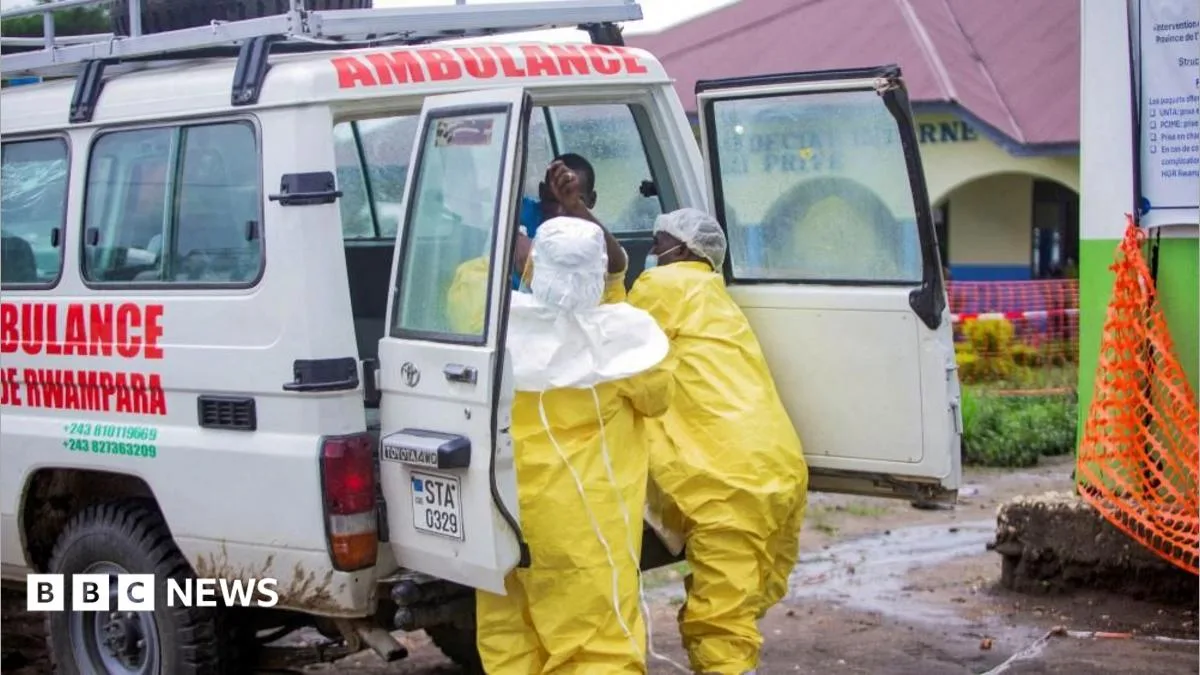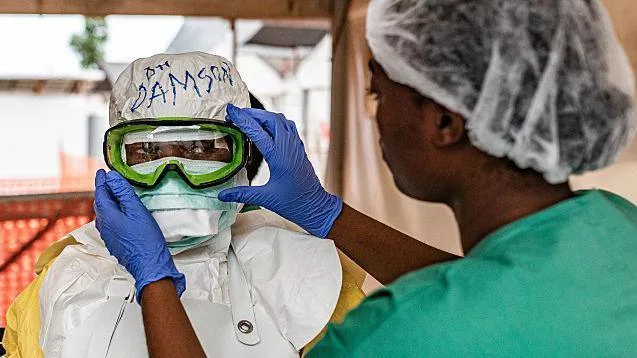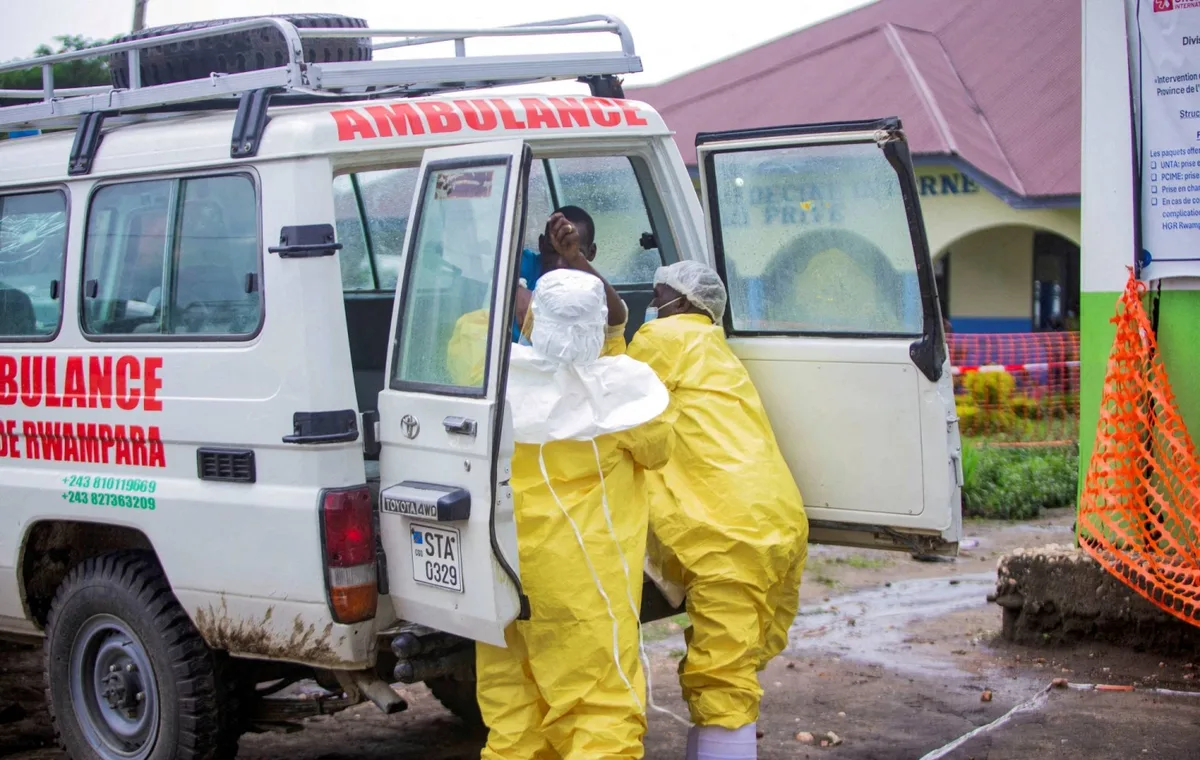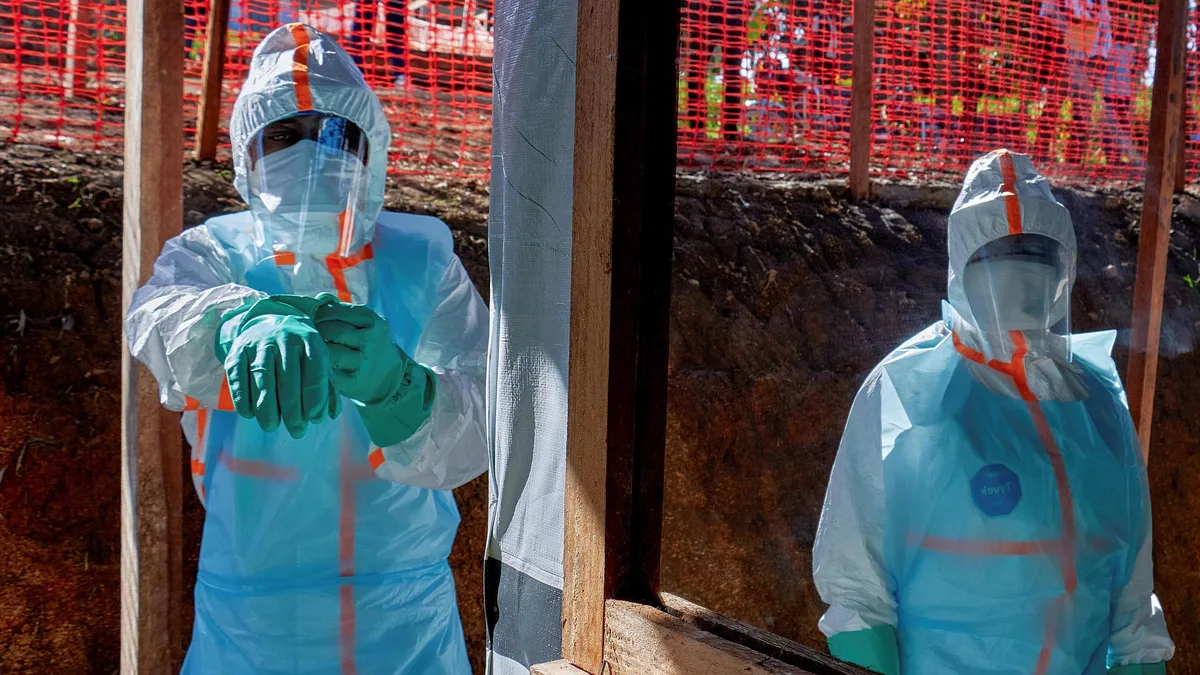
An Ebola outbreak in the Democratic Republic of Congo (DRC) has surpassed 1,400 confirmed cases and caused over 400 deaths since it was declared on May 15, 2026 [1, 2, 3, 4, 5, 6, 7]. The virus responsible is the Bundibugyo strain of Ebola, for which there is currently no approved vaccine or treatment [1, 2].
The epicenter of the outbreak remains Ituri province in northeastern DRC, accounting for over 83% of the deaths, but the virus has spread to neighboring provinces including North Kivu, South Kivu, Haut-Uele, and to the major city of Kisangani in Tshopo province [3, 4, 5, 6]. Uganda has reported 20 confirmed cases with 2 deaths, while France confirmed a single case [1, 3, 5].
The outbreak’s fatality rate stands at about 31%, with 438 deaths among 1,406 confirmed cases [3, 4, 5, 6, 7]. The Bundibugyo Ebola strain spreads primarily through contact with bodily fluids, especially during funeral rites when infected bodies are handled [1, 2, 5, 6]. Violence related to the outbreak has occurred in Ituri, including two deaths, arson of a treatment center, and theft of victims’ bodies [5, 6].
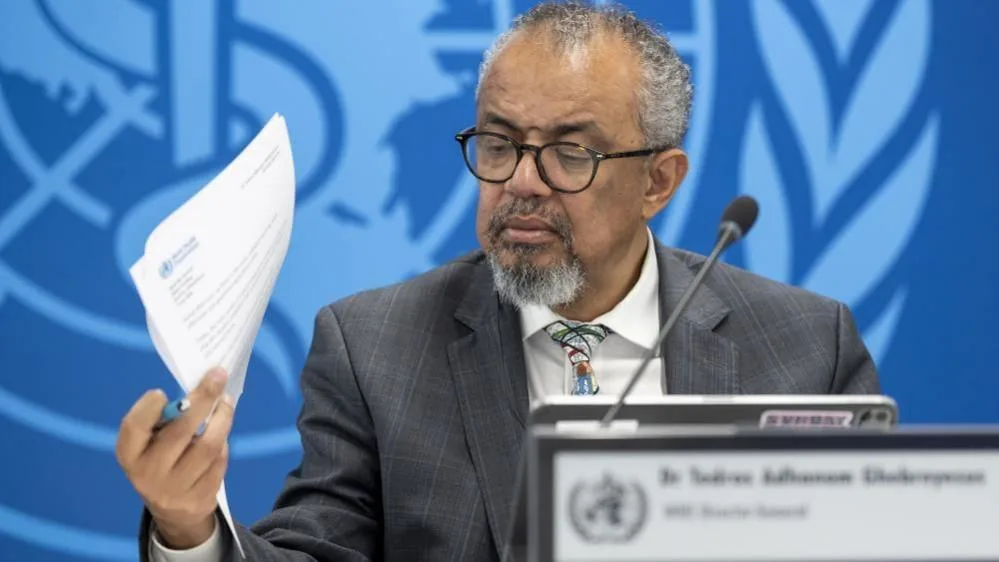
On June 30, the World Health Organization announced the start of a clinical trial of two experimental therapeutics targeting the Bundibugyo strain in DRC [1, 8]. WHO chief Tedros Adhanom Ghebreyesus said, "The clinical trial of two therapeutics began, with the enrolment of the first patient. Even without approved therapeutics, people are recovering from this disease, but of course, we could save many more lives with safe and effective therapeutics in our toolkit" [1].
China has sent two medical teams with experts in epidemiology and clinical treatment to support the response in DRC, with a second team arriving on July 3 [7]. China Foreign Ministry spokesman Guo Jiakun stated, "China will continue providing assistance within its capacity to African countries and help Africa overcome the outbreak at an early date" [7].
The DRC government has issued a $319 million response plan, while international donors have pledged $910 million to support efforts in DRC and Uganda [6]. The United Nations Development Programme estimates the outbreak could cost Africa up to $3.6 billion, lead to over 300,000 job losses, and push nearly 1 million people into poverty in DRC alone [2, 9]. UNDP Resident Representative Damien Mama warned, "If we have the resources and we step up, we can contain this outbreak and prevent further losses. If we do not, this health emergency risks becoming a much deeper and prolonged development crisis across the region, and potentially the continent" [2].
The outbreak has worsened the humanitarian crisis and strained aid resources, according to the Danish Refugee Council. Secretary-General Charlotte Slente said, "The response to the health emergency must not hollow out the aid programming that is holding communities together" [10].
DR Congo President Felix Tshisekedi emphasized, "Epidemics do not recognise borders," while South African President Cyril Ramaphosa urged against travel bans, saying, "We remain optimistic toward containing the outbreak" [5].
The Ebola outbreak in DRC remains a public health emergency as the WHO-coordinated clinical trial and international responses continue to intensify.