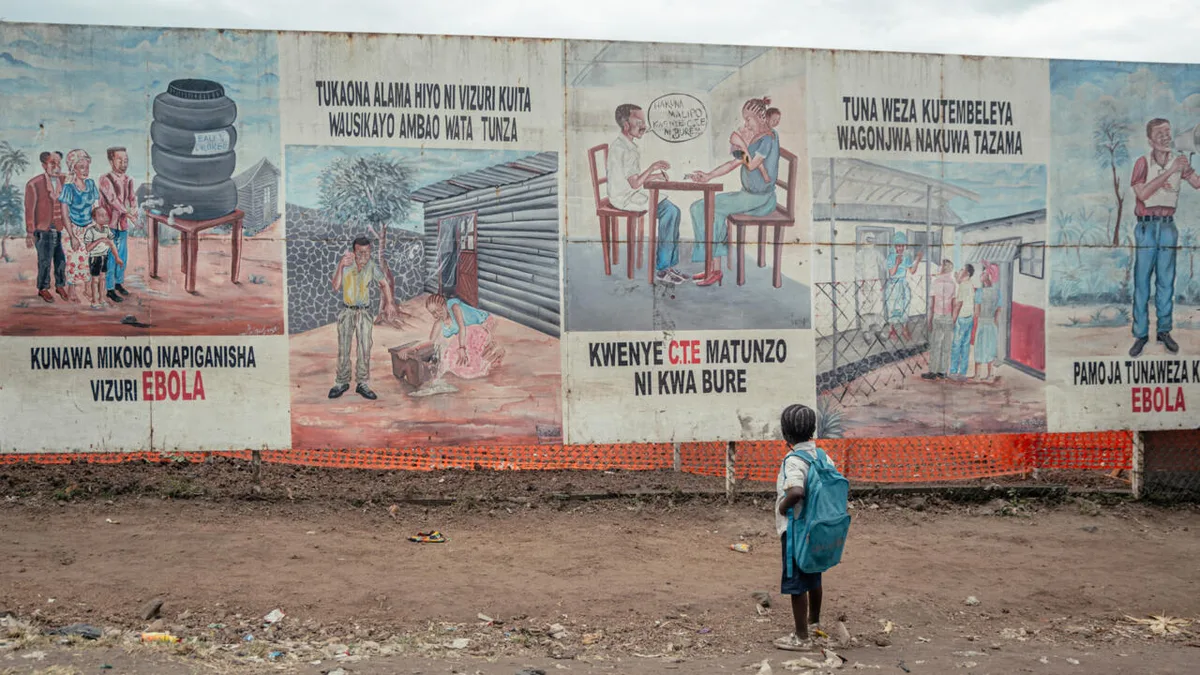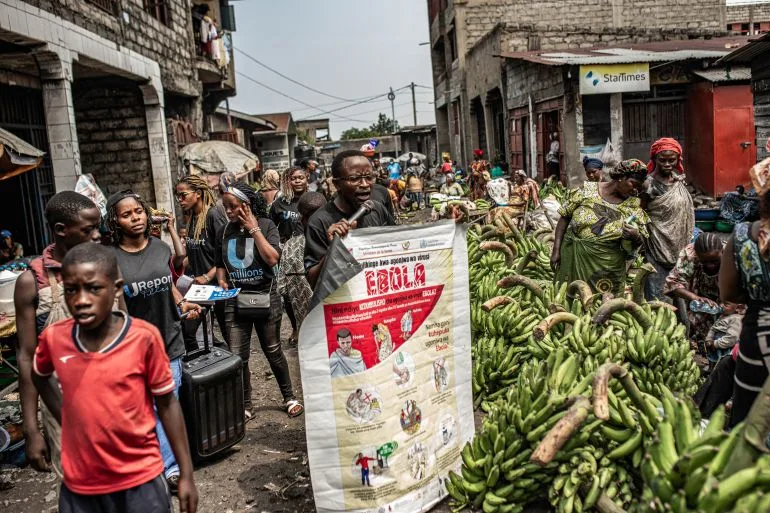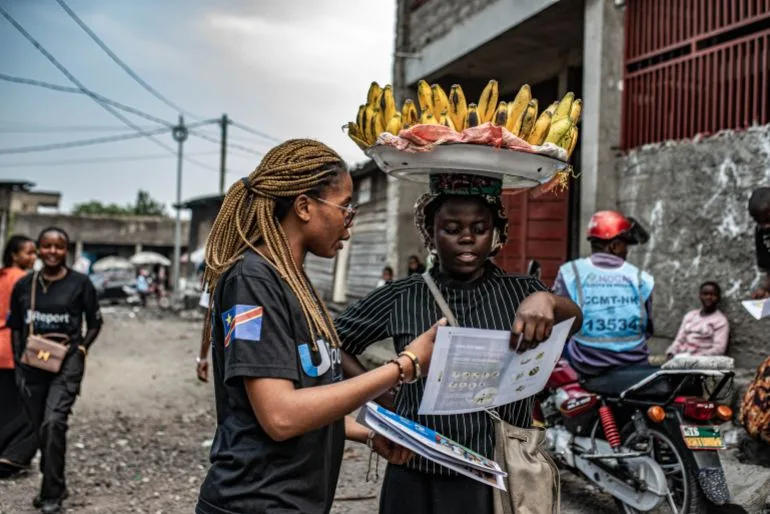
The Ebola outbreak in the Democratic Republic of Congo (DR Congo) has killed more than 500 people and infected 1,561, health authorities reported today [1, 2, 3]. The outbreak was officially declared on May 15, 2026 [2, 3].
The rare Bundibugyo strain of Ebola is responsible for the epidemic, which has hit Ituri province hardest. Ituri accounts for over 90% of cases and about 84% of deaths [1, 3]. Neighboring Uganda has recorded 20 confirmed cases and 2 deaths linked to the outbreak [1, 2, 3].
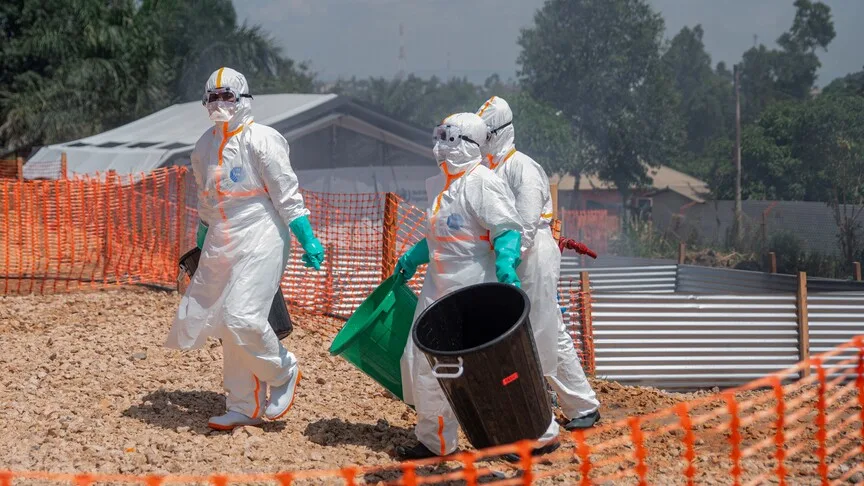
Health workers in Ituri province issued a 24-hour strike notice on July 5, citing unpaid benefits and poor working conditions. They told reporters: "They had not been paid benefits since the outbreak began and do not have adequate supplies for their work" [1].
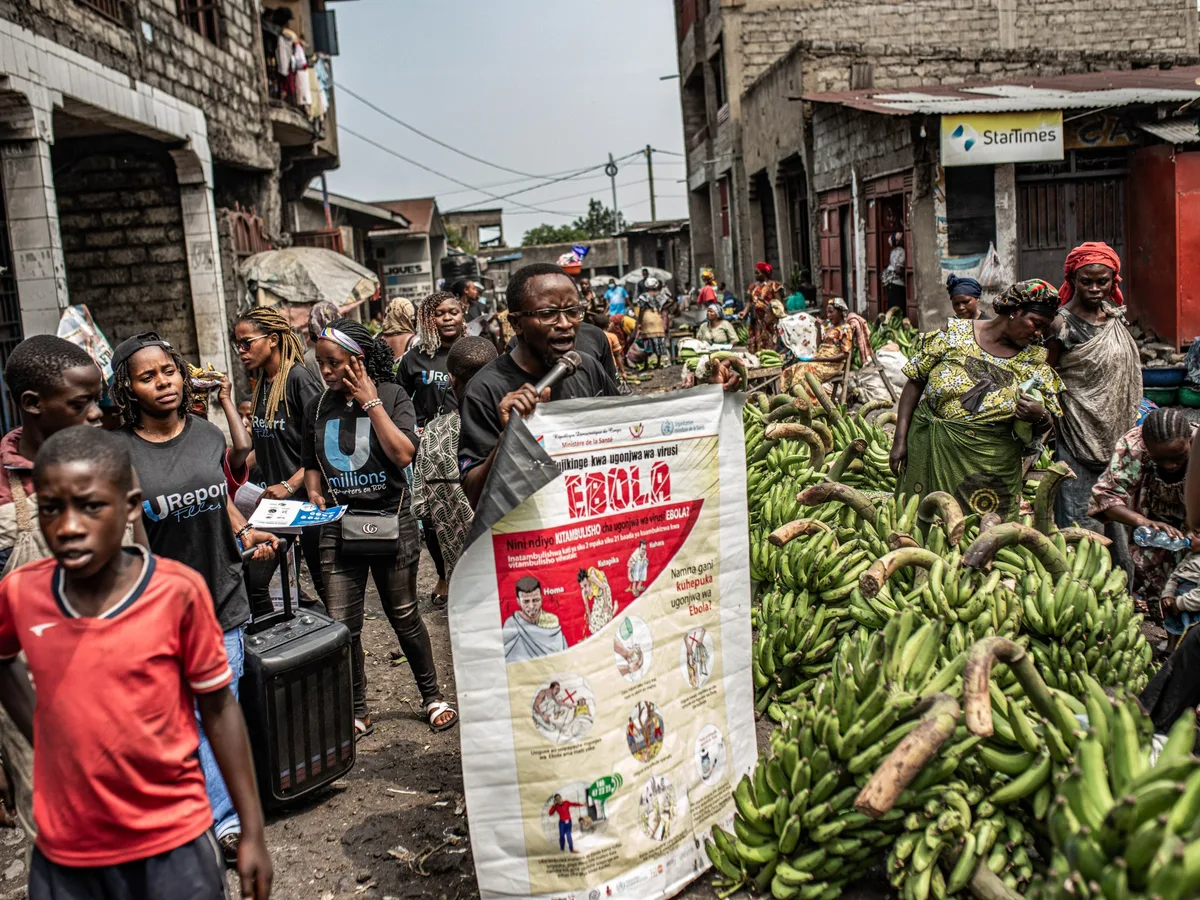
As of July 1, officials were monitoring 10,821 contacts in Ituri and North Kivu provinces to track potential new cases [3]. While no approved vaccine or treatment currently exists for the Bundibugyo strain, clinical trials of two experimental treatments began on July 2 in DR Congo [1, 2].
More than 253 patients have recovered in DR Congo so far [1, 3]. Donors and partners have pledged $910 million to support response efforts in DR Congo and Uganda [3].
The situation remains critical as health workers balance care delivery amid strained resources and industrial action. The clinical trials of treatments launched in early July will provide new data on potential therapies.