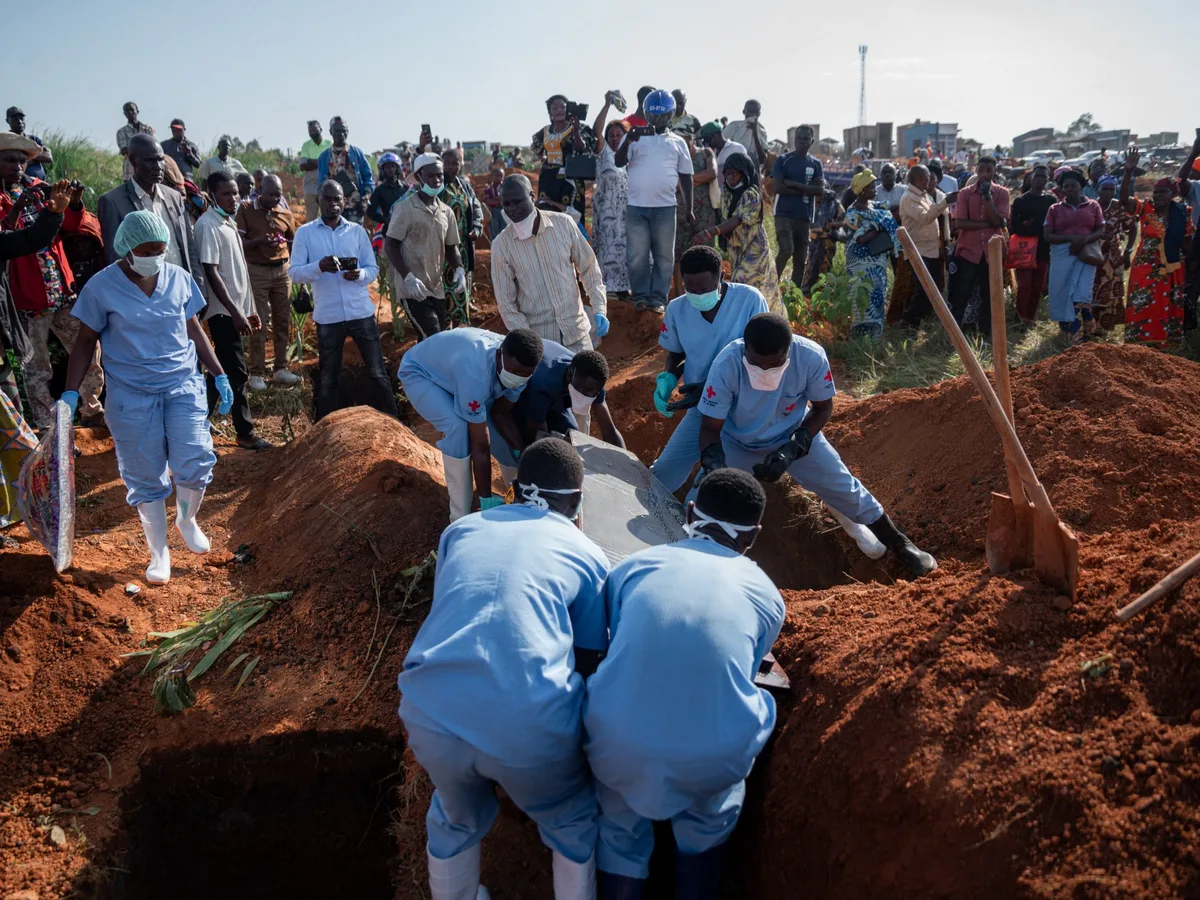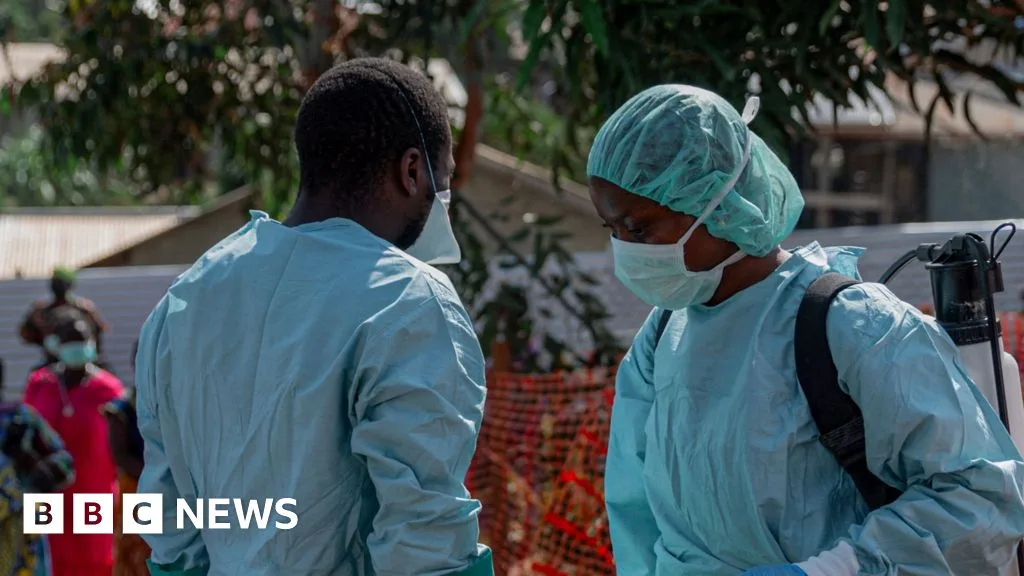
Armed men abducted a six-year-old Ebola patient and her mother from Wanamahika Hospital in Butembo, eastern Democratic Republic of Congo (DRC), where they were undergoing treatment on June 16, 2026. Dr Lubambo Maboko Gaston, a local health official, said the child was taken by "very angry" men wielding knives [1].
The Ebola outbreak declared on May 15, 2026, remains concentrated in eastern provinces including Ituri, North Kivu, and South Kivu. Ituri alone accounts for nearly 95% of cases. Government data reported 837 confirmed Ebola infections and 196 deaths as of June 16, rising from over 700 cases and 149 deaths two days earlier [1, 2, 3, 4]. Africa CDC Director-General Jean Kaseya warned that without rapid containment efforts, the outbreak could become worse than prior crises in West Africa and eastern DRC [2].
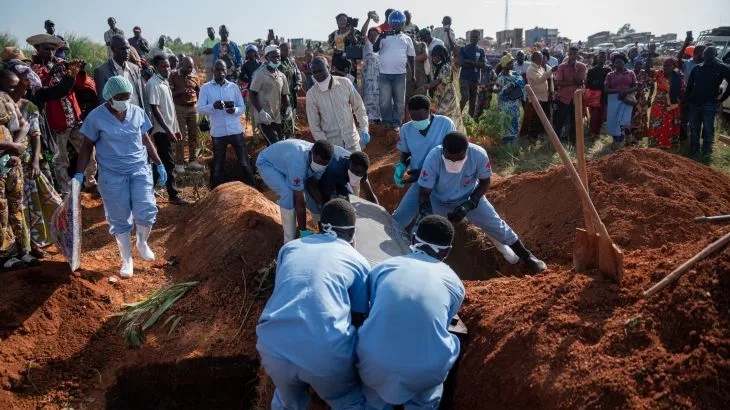
The epidemic is caused by the Bundibugyo Ebola virus strain, for which no approved vaccines or treatments exist at present [1, 2, 4]. Community mistrust has led to attacks on treatment centers, refusal of care, concealment of cases, and unsafe burials. Local politician Luc Malembe Malembe said, "For a certain segment of the population, especially in remote areas, Ebola is an invention by outsiders - it does not exist." Contact tracing efforts are crippled, with more than 26,000 potential contacts lost or unlocated [1, 5, 6, 2].
The outbreak worsens vulnerabilities in a region already affected by armed conflict and violence. The International Committee of the Red Cross (ICRC) reported 303 conflict-related casualties in hospitals across conflict zones like Bukavu, Uvira, and Fizi between May 15 and June 15, a 30% increase over the previous month. Francois Moreillon, head of the ICRC delegation in Congo, said, "The combination of armed conflict and an epidemic is potentially devastating... It is essential that the warring parties act responsibly to ensure cooperation and optimum coordination on health matters" [4].
International response remains underfunded, with less than 20% of the requested $518 million raised so far. Bruno Michon from the International Federation of Red Cross and Red Crescent Societies cautioned, "We are afraid that this could last one year to end this disease" [2].
As the DRC battles escalating Ebola cases, ongoing violence, and community resistance, health officials face major obstacles containing the epidemic. The next major case and casualty updates are expected in the coming days as tracing and treatment efforts continue amid insecurity and fear.