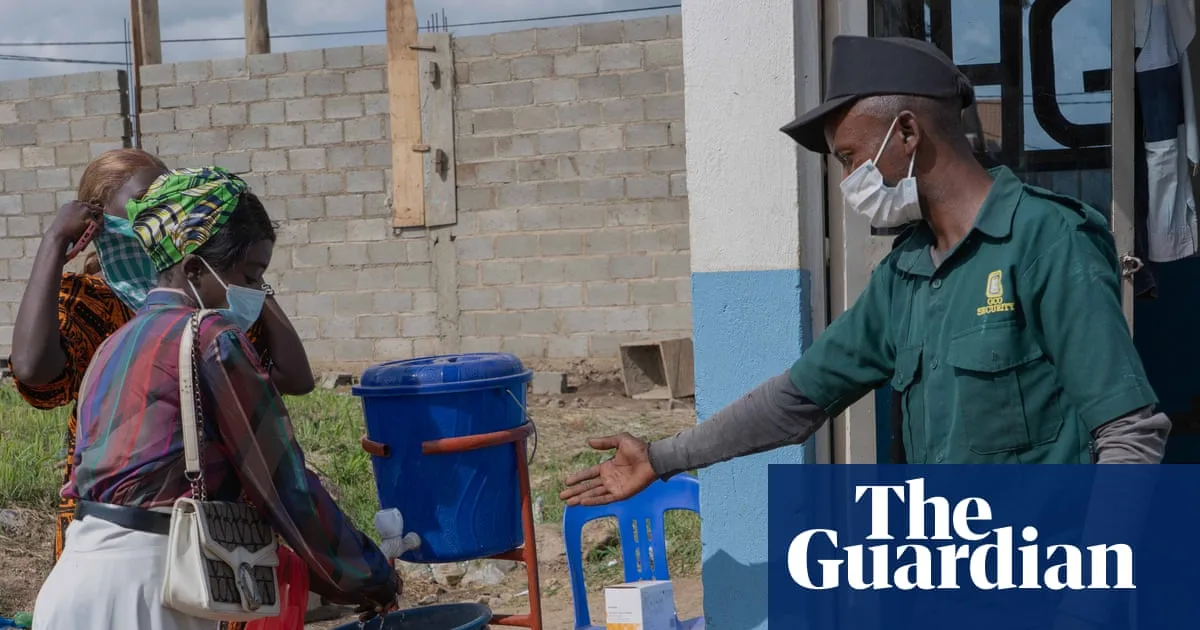
An Ebola outbreak caused by the Bundibugyo strain has struck Ituri province in the eastern Democratic Republic of the Congo. More than 300 suspected cases and 88 deaths have been confirmed, mostly in Ituri, which borders Uganda and South Sudan. Two deaths have also been reported in neighboring Uganda [1].
The first suspected case appeared on April 24 when a health worker developed symptoms and died in Bunia city. Soon after, around mid-April, a funeral procession with an open casket arrived from Bunia to Mongbwalu town, triggering a cascade of deaths there. As Jean Pierre Badombo said, "After that, we experienced a cascade of deaths" [1].
The outbreak has caused panic and fear among residents due to the absence of a vaccine for the Bundibugyo strain. Gloire Mumbesa noted, "On public transport, in bars and at mass gatherings, everyone is talking about Ebola" [1]. Dieudonné Lossadekana expressed grief about the toll: "We're stunned by the resurgence of Ebola in our region. We've already recorded several dozen deaths. For us, it is heartbreaking" [1].
The outbreak marks the 17th Ebola epidemic in the DRC in the past 50 years. It exposes the fragile healthcare system and underlying poverty, both of which increase vulnerability to such diseases. Unsafe food practices like eating undercooked meat also contribute. Francine Mbona Pendeza explained, "Our people are used to eating raw or undercooked food. We grill meat that isn’t cooked through, which allows germs to thrive and causes outbreaks. Another factor is access to clean water, which is dire in the DRC" [2].
Restrictive measures to contain the virus threaten livelihoods in Ituri, where poverty and conflict persist. Claude Kasuna said, "We live in a region where poverty is rife and people live from hand to mouth. When a health emergency like this one strikes, it hits us hard economically" [1].
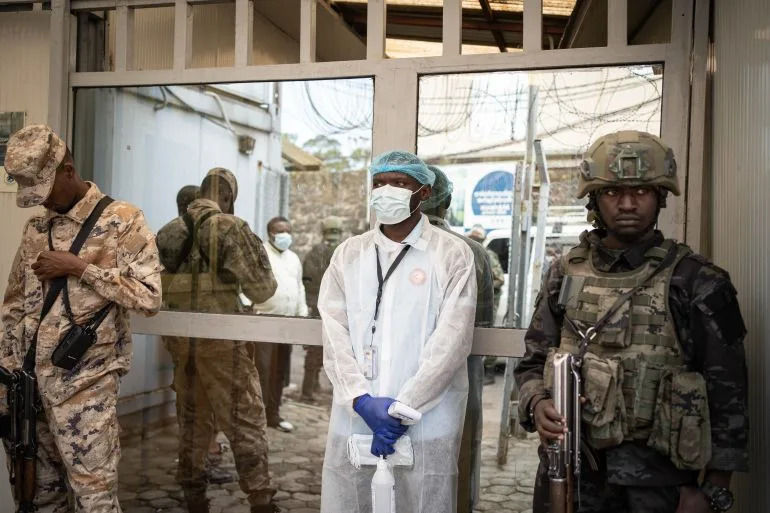
Authorities and the Africa CDC dispatched expert teams including field epidemiologists and risk communicators to Bunia to help combat the epidemic. These teams arrived between May 19 and 20 to support local efforts [2].
The World Health Organization declared the outbreak a public health emergency of international concern during the week of May 12 to 18 after confirming the hundreds of cases and deaths [1, 2]. Sadiki Patrick mourned his third child lost to Ebola, saying, "It is heartbreaking to lose my third child in the prime of her youth" [2].
The outbreak remains active, with cases continuing to be investigated. Health officials continue coordinated response efforts to contain the virus and reduce fatalities in the weeks ahead.
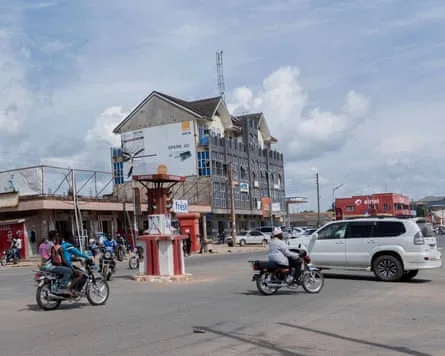
![According to Congolese authorities, Mungwalu is where the first cases of this Ebola outbreak were reported [AFP]](/uploads/2026/05/20/0976e463eb5a30e8412ca606.webp)