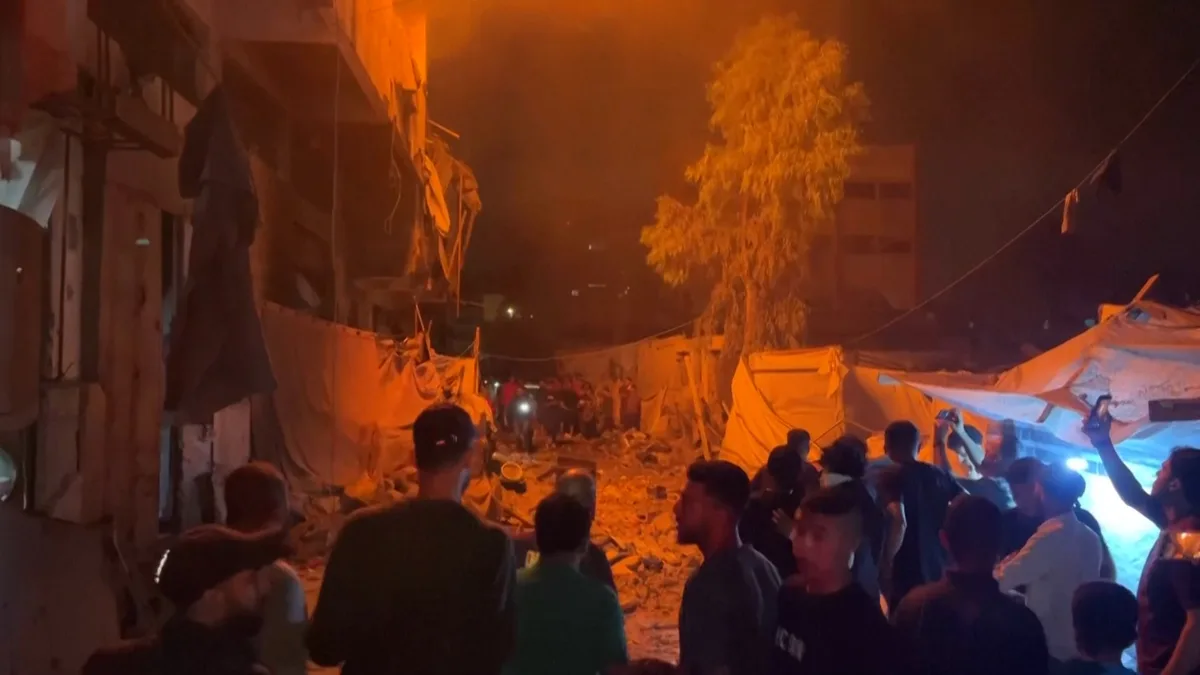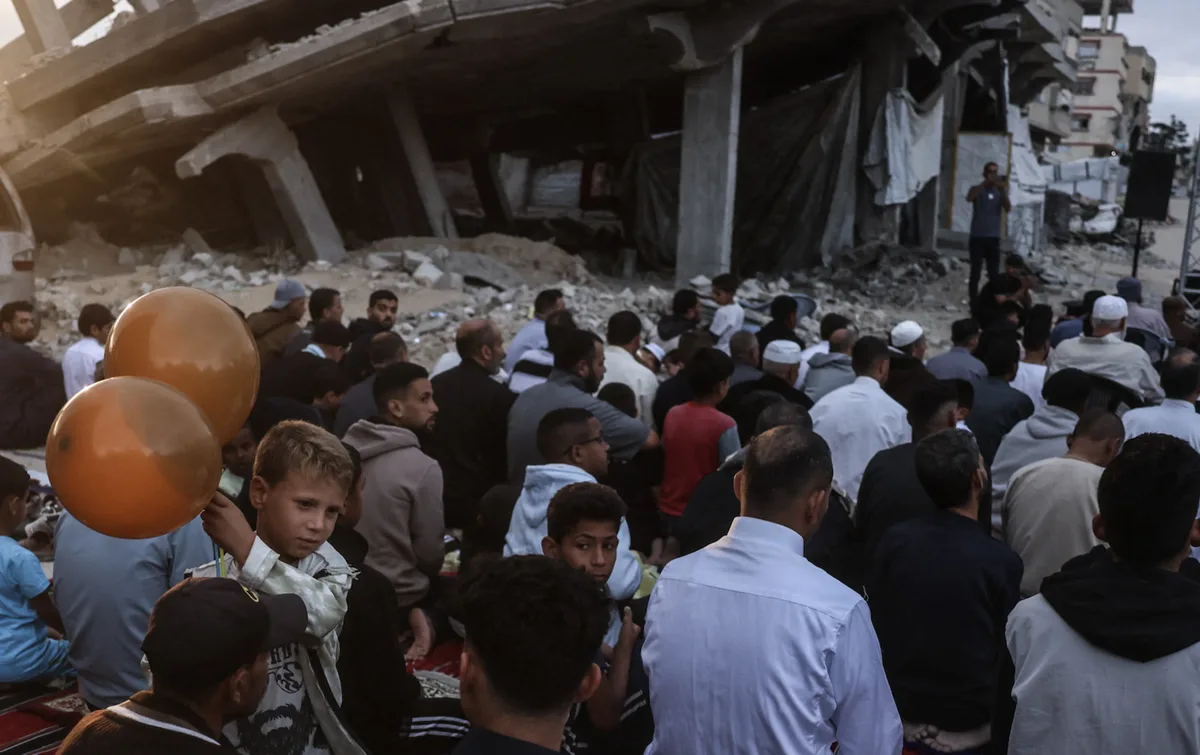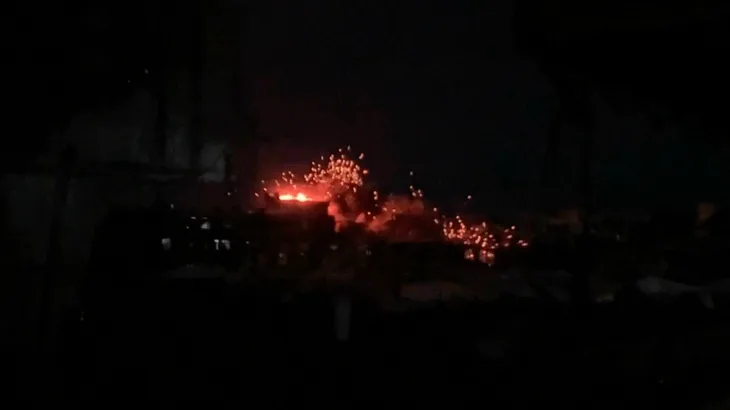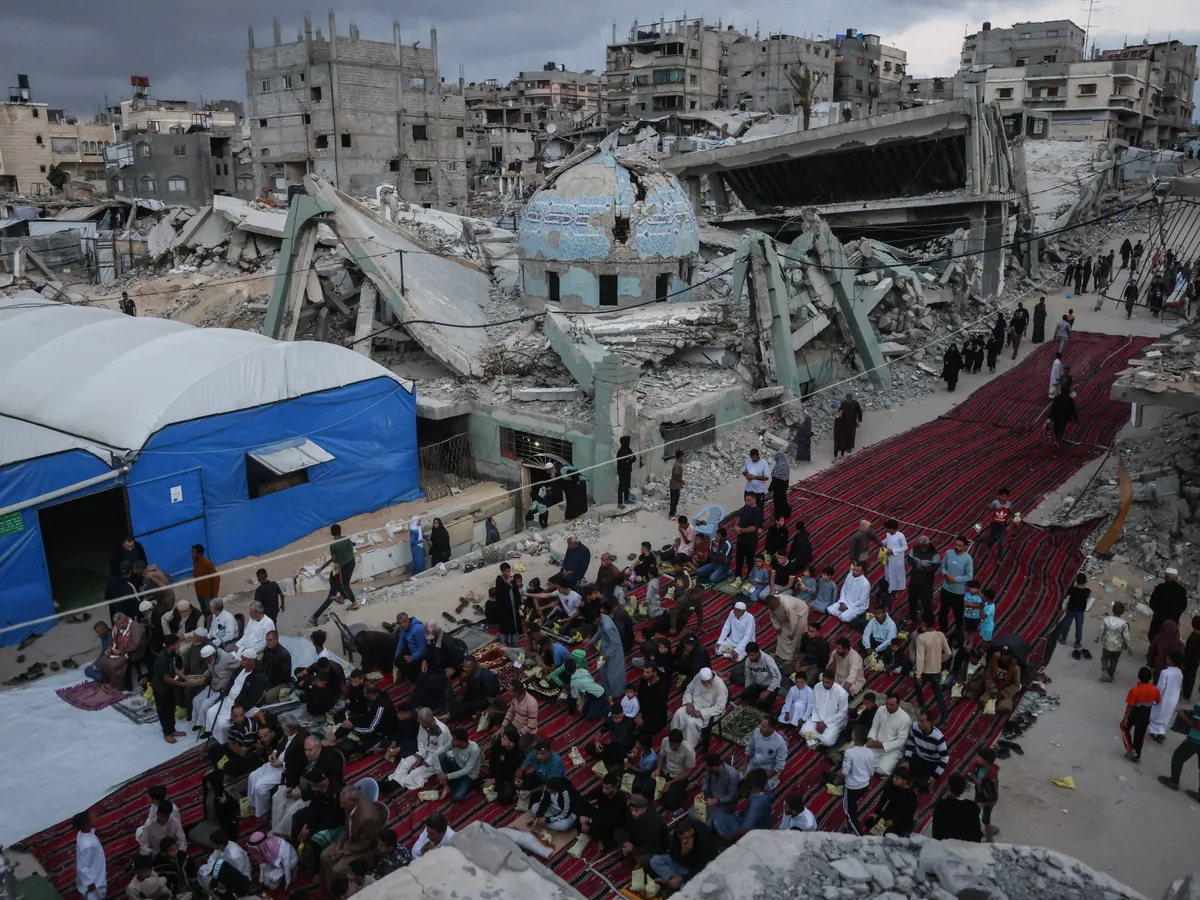
Eid al-Adha in Gaza on May 27-29 was overshadowed by ongoing Israeli attacks, causing heavy casualties, displacement, and the destruction of homes [1, 2, 3, 4]. The Gaza Ministry of Health reports nearly 73,000 Palestinians have been killed during the conflict, with many families mourning loved ones lost in recent strikes during the holiday period [2]. Funerals and condolence tents replaced festive celebrations as Palestinians faced grief and sorrow [2, 3, 4].
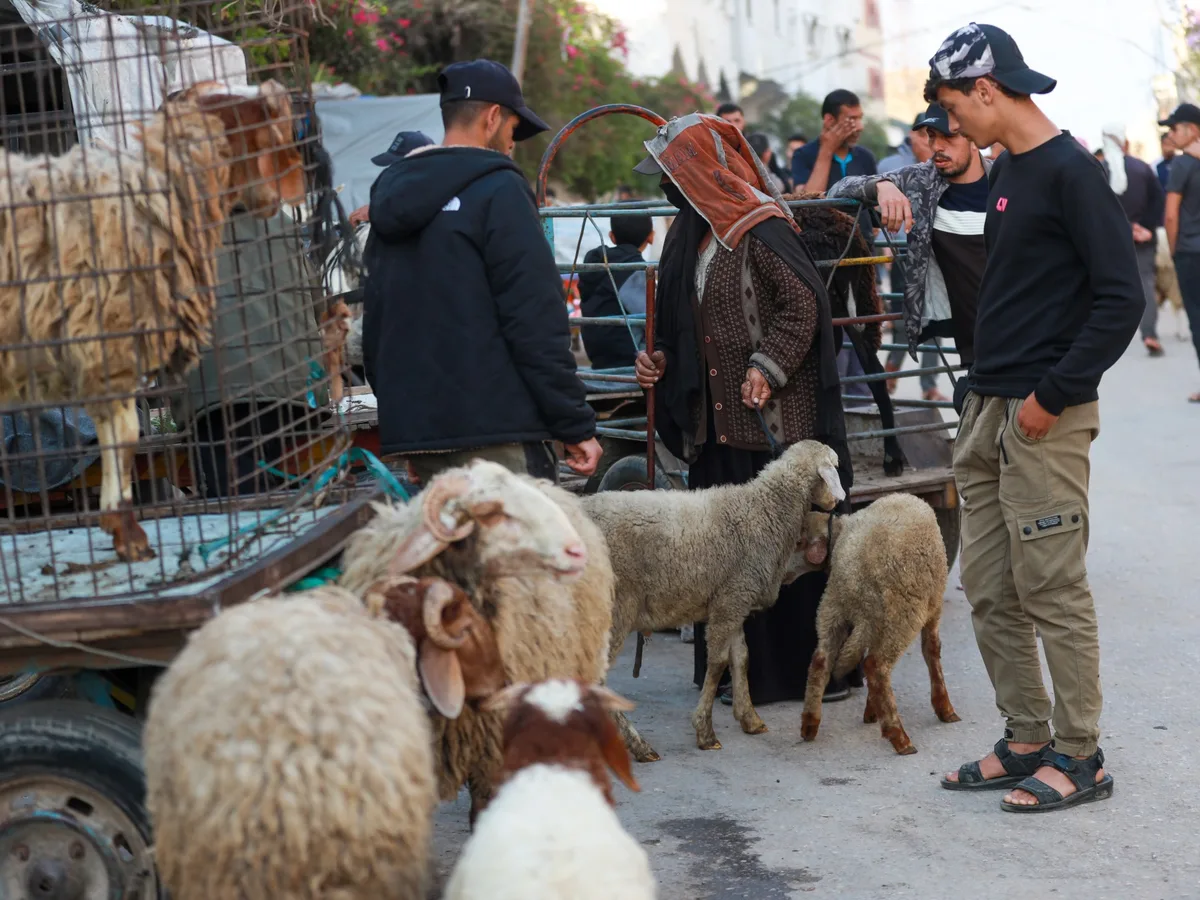
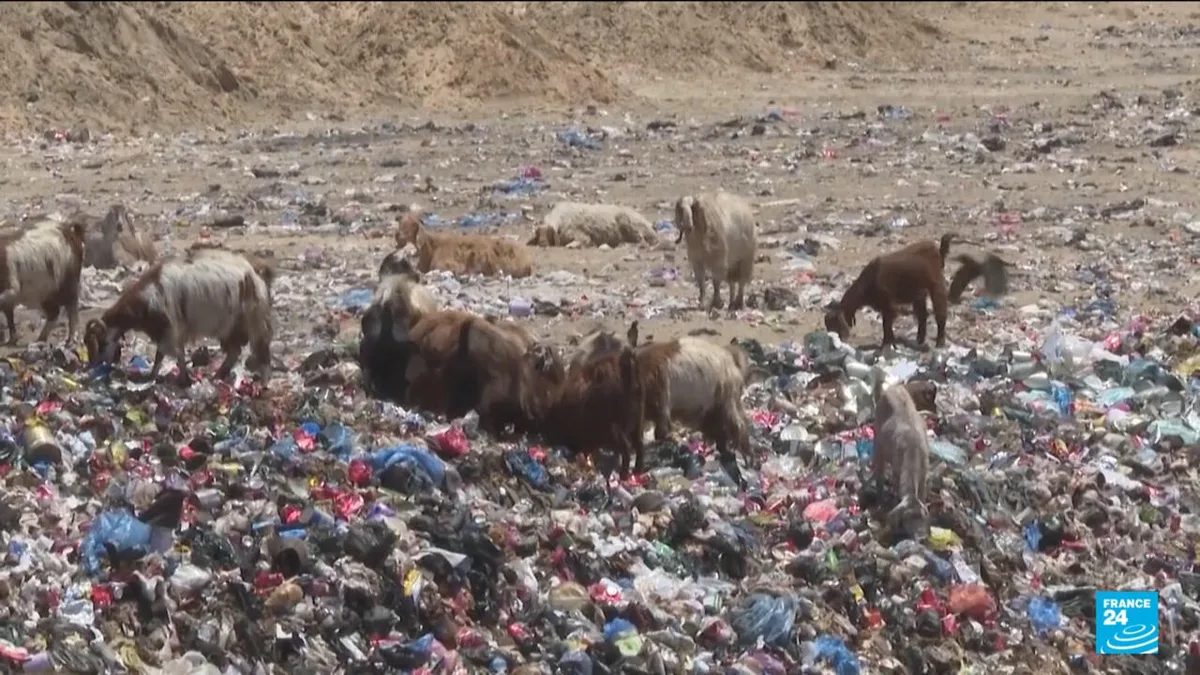
The traditional animal sacrifice, a cornerstone of Eid al-Adha observance, was absent for many in Gaza due to widespread destruction of livestock from Israeli bombardments and siege conditions. Emad Suhweil recalled, "Every year we used to sacrifice … we would slaughter, be happy, eat together, and distribute to the poor, those were beautiful days" [1]. Similarly, Hajj pilgrimage departures have been blocked by Israeli restrictions for a third consecutive year, leaving many dreaming of the pilgrimage but unable to leave. Sixty-eight-year-old I’tidal Hamdan said, "Maybe I’ve been dreaming about it for more than 10 years. My husband wanted Hajj so much … and he was killed before he could fulfil his wish" [1].
The emotional state among Palestinians was marked by deep loss and hardship. Walaa Baroud described the atmosphere: "The war has not stopped devouring our loved ones, and we never expected to open a mourning tent during a truce. We are trapped between two eras and drowning in painful memories" [2]. Hajja Shama al-Zorbatli expressed the dire conditions, saying, "Eid does not enter tents. I have never entered the House of God. My wish is to perform Hajj. But what kind of Hajj is this when I can’t even find food to eat?" [2].
Thousands remain displaced, unable to return to homes destroyed or restricted by movement controls [1, 2]. Violence continued through Eid, with overnight Israeli strikes on May 28 killing children near Gaza playgrounds, adding to the fear and grief [4].
Preparations for the Eid prayers occurred amid rubble and ongoing attacks, while families struggled to observe the holiday amid devastation [1, 2, 3].
The absence of livestock and security restrictions mean that Eid al-Adha passes without its central rituals in Gaza for the third straight year, as Israeli military operations persist [5].