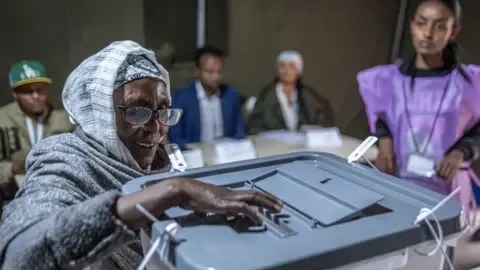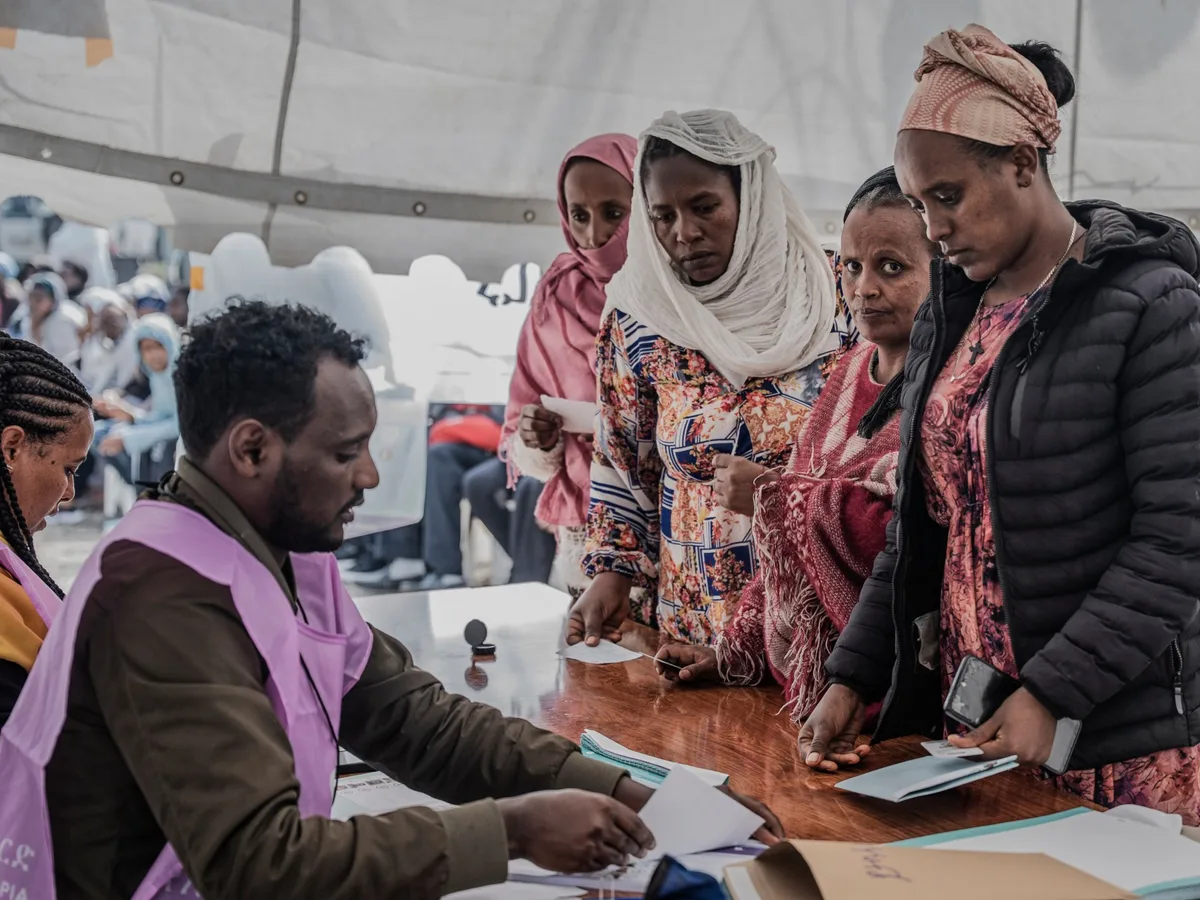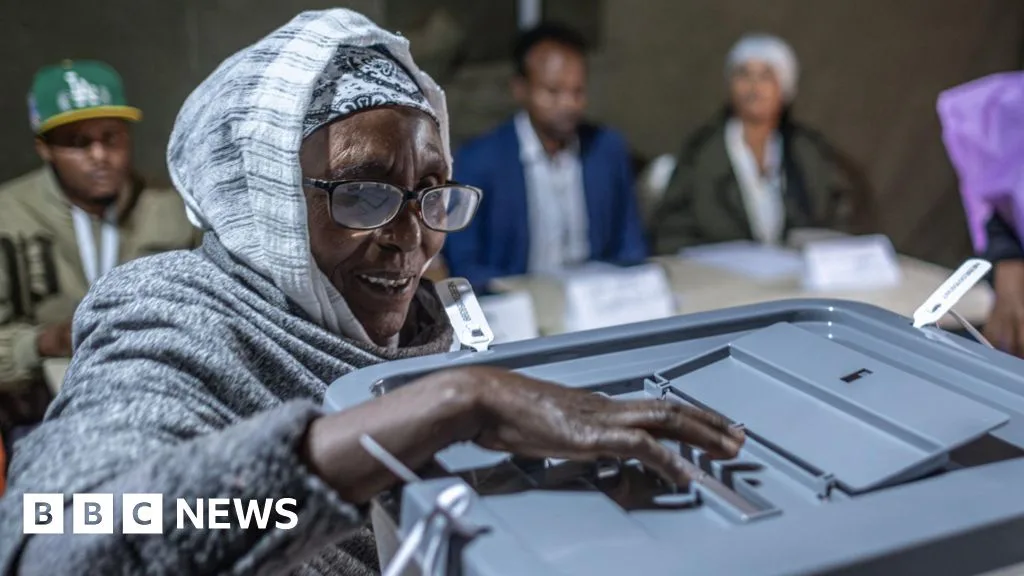
Ethiopia held its seventh national general election on June 1, 2026, with voting across most of the country except the northern Tigray region, which was excluded due to ongoing insecurity and political turmoil [1, 2, 3, 4, 5].
More than 50 million Ethiopians were registered to vote to select representatives for the 547-member federal parliament, with 274 seats required to form a majority government [1, 4, 5]. Prime Minister Abiy Ahmed’s Prosperity Party, formed after dissolving the previous EPRDF coalition, is widely expected to secure a large majority again [1, 2, 5].
The Tigray region’s absence from the elections marks nearly 10 years without representation in the federal parliament or upper house. The Tigray People's Liberation Front (TPLF) stated that over 40% of the region remains under enemy control, making elections impossible there after years of armed conflict [6]. TPLF spokesman Michaele Asgedom said, "More than 40% of the sovereign territory of Tigray is under enemy control" and the region cannot "conduct an election" [6]. Meanwhile, political leaders remain uncertain about Tigray's status within Ethiopia; Alemayehu Fentaw asked, "Can we still say with certainty that 'Tigray is part of Ethiopia?' I am not sure" [6].
The Pretoria Peace Agreement signed in November 2022 ended active hostilities in Tigray but did not resolve lingering political tensions and fears of renewed violence [6, 3]. Insecurity also prevented voting in parts of Oromia and Amhara regions, where clashes persist, blocking elections in some constituencies [3, 5].
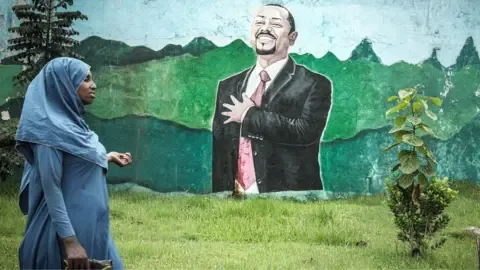
Ethiopia’s government under Abiy Ahmed has faced accusations of authoritarianism and human rights abuses during and after the Tigray conflict, shadowing his 2019 Nobel Peace Prize awarded largely for resolving the Eritrea conflict [1, 3]. The ruling party has faced limited opposition participation; Prof Merera Gurdina said, "We are participating symbolically because the law says you cannot boycott elections consecutively. We are participating, mainly to avoid deregistration" [1].
Besides political tensions, more than 10,000 people in Addis Ababa have been forcibly evicted since 2024 due to a government modernization project [7]. Ethiopia also projects over 10% GDP growth in 2026 despite ethnic divisions and regional instability [4, 5]. Nearly half the population is under age 18, adding demographic pressure to the nation’s fragile democracy [5].
The next elections are scheduled by law every five years; the government and observers will now monitor results amid unresolved regional conflicts and political exclusion.