The European Union reached a political agreement on July 23 to impose its 21st sanctions package against Russia amid the ongoing conflict in Ukraine [1, 2, 3]. The package includes 32 additional Russian banks added to the EU’s transaction ban list, expanding restrictions on Russia’s financial sector [1, 3].
Sanctions also target cryptocurrency firms and oil trading platforms linked to Russia, aiming to hinder the country’s access to alternative financial mechanisms [1, 3]. The EU will freeze adjustments to the Russian oil price cap for one year to prevent Russia from benefiting from market fluctuations, a move officials described as curbing the Kremlin’s war financing abilities [1, 2, 3].
For the first time, the sanctions specifically target vessels assisting Russia’s shadow fleet, a network of ships used to bypass export controls and sanctions. European Commission President Ursula von der Leyen noted, "For the first time, we’re targeting vessels assisting Russia’s shadow fleet" [1].
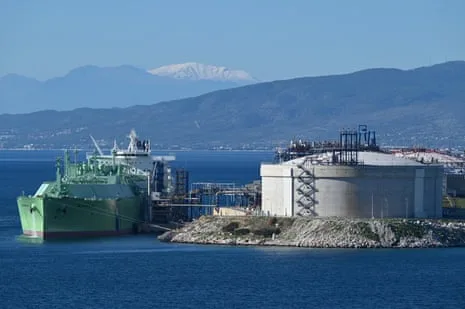
The package grants Greece a one-year exemption allowing it to continue transporting Russian liquefied natural gas (LNG) to non-EU countries under contracts signed before Russia’s full-scale invasion of Ukraine. An EU diplomat said member states showed solidarity with Greece and "it's expected that Greece will do the same with others in the future" [1, 2].
In terms of individual sanctions, the package reportedly includes the highest number imposed in any EU sanctions package in the last four years [1]. It also marks a crucial step toward banning Russian ex-combatants from entering the EU, although the formal adoption of this measure appears delayed [1, 3].
Following the July 23 agreement by EU ambassadors, technical work to finalize the package will continue, with a written adoption procedure expected soon to implement the sanctions fully [2].
Ursula von der Leyen stated, "We’re adding 32 more Russian banks to our transaction ban list. As well as crypto firms and oil trading platforms. Freezing the oil price cap adjustment for a year, so that the Russian war machine does not benefit from market shocks... And we took an important step towards formally banning Russian combatants from entering the EU." She also welcomed the agreement, saying it came "at a time when Ukraine has built military momentum, our sanctions continue to weaken the economic foundations of Russia’s war effort" [1, 3].