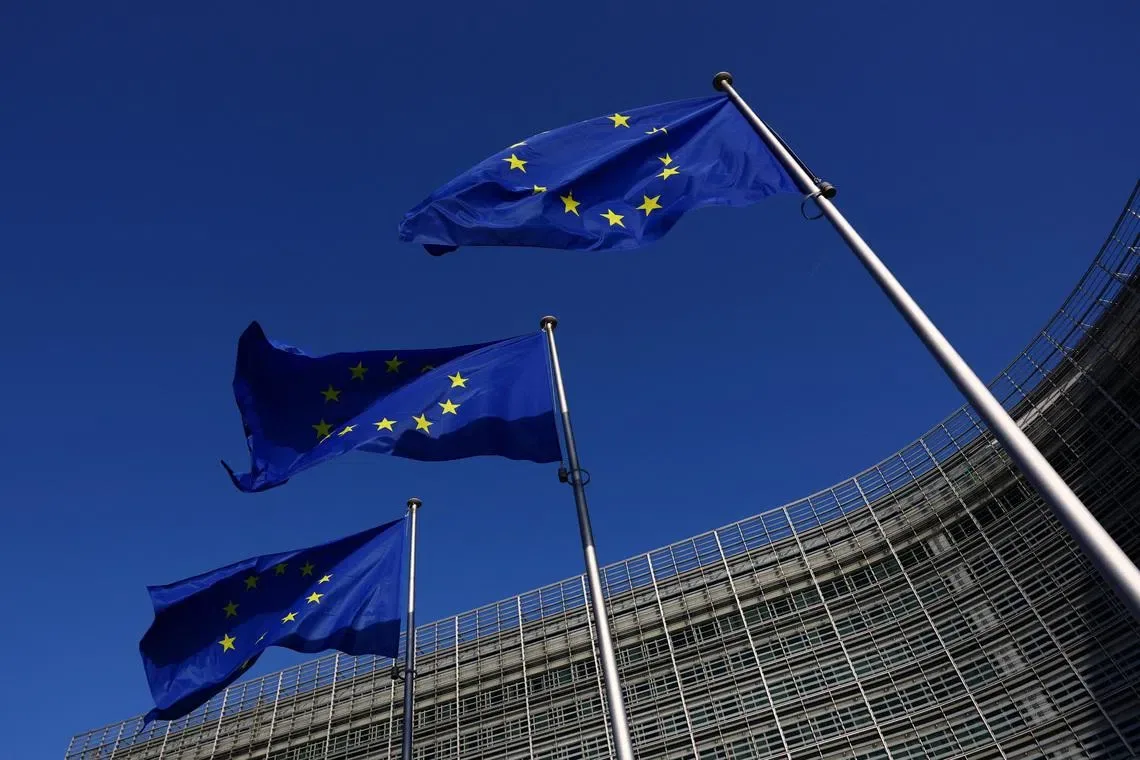
On July 13, 2026, the European Union imposed sanctions on 9 Russian individuals and 4 entities connected to cyber espionage and attacks against EU member states and partners [1, 2, 3, 4, 5]. The UK announced sanctions on 24 individuals and entities involved in destructive cyber and hybrid operations targeting Europe, including officers from Russia’s military intelligence service GRU [6, 7, 4, 8, 9].
The sanctions focus on senior GRU officers Vyacheslav Stafeyev, Ivan Senin, and Ivan Kasyanenko and companies linked to cybercriminal proxy networks [6, 3, 8, 5]. The EU’s action specifically targets the Russian Federal Security Service's 16th Centre, which it holds responsible for prolonged cyber espionage campaigns against nine European countries: France, Germany, Poland, Cyprus, the Netherlands, Austria, Slovakia, Romania, and Finland [1, 3, 4, 8, 5, 10]. These operations included attempts to sabotage critical infrastructure, notably Poland’s energy grid and railways, potentially affecting up to 500,000 people [3, 4, 8].
Germany summoned the Russian ambassador to formally protest attacks attributed to the FSB’s 16th Centre and the Turla cyber group [3, 4, 8, 10]. France also announced it would summon Moscow’s envoy and impose sanctions on Russian individuals and entities linked to cyber activities targeting France and other European countries [7, 3, 4, 8].
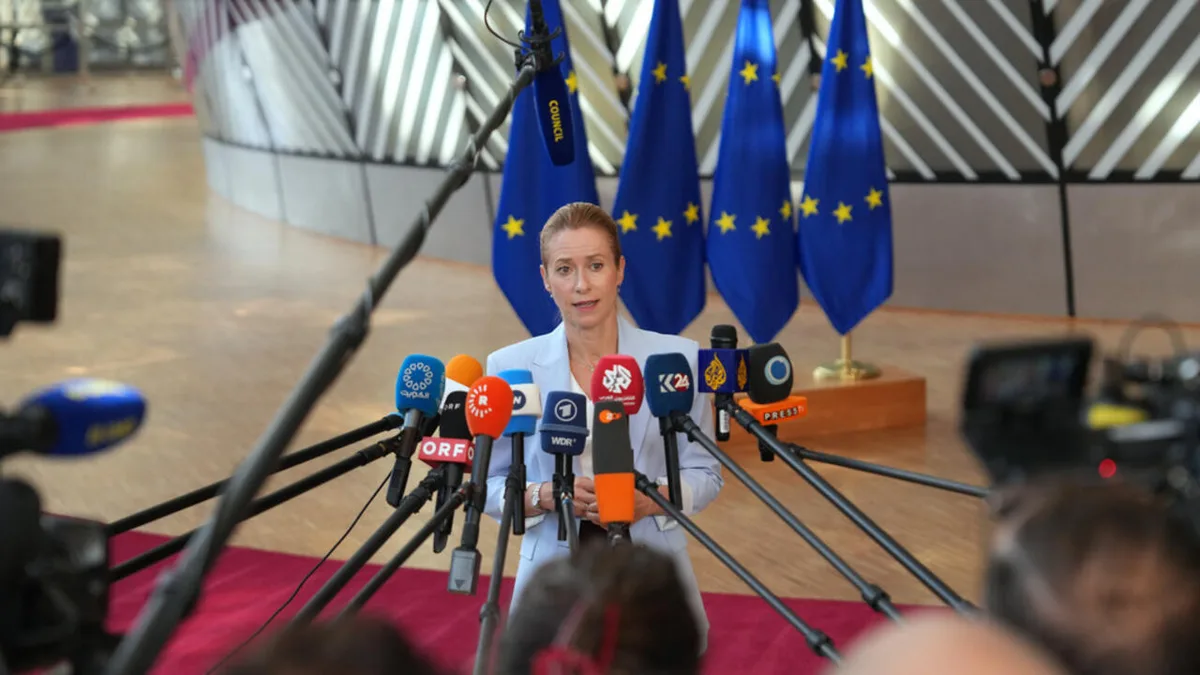
The British government called the sanctioned parties "those behind destructive cyber and hybrid operations including cybercriminals involved in proxy networks linked to the Russian Intelligence Services" [6]. EU foreign policy chief Kaja Kallas said the sanctions target those "who contribute to Russia’s efforts to destabilise the EU, its member states and international partners" [3].
Russia denied the allegations, with Kremlin spokesperson Dmitry Peskov stating, "We reject any such accusations... These claims are always unfounded, never proven, and we have never heard any evidence" [11]. UK Foreign Secretary Yvette Cooper said Britain will "continue to call out this behaviour, bolster our resilience and respond to the hybrid threat posed by the Russian state," adding the sanctions will not deter UK support for Ukraine [9].
The sanctions include asset freezes and travel bans on the designated Russian individuals and entities [1, 3, 4, 5]. The joint EU-UK action marks the first coordinated cyber sanctions package imposed by both sides [6, 4, 8].