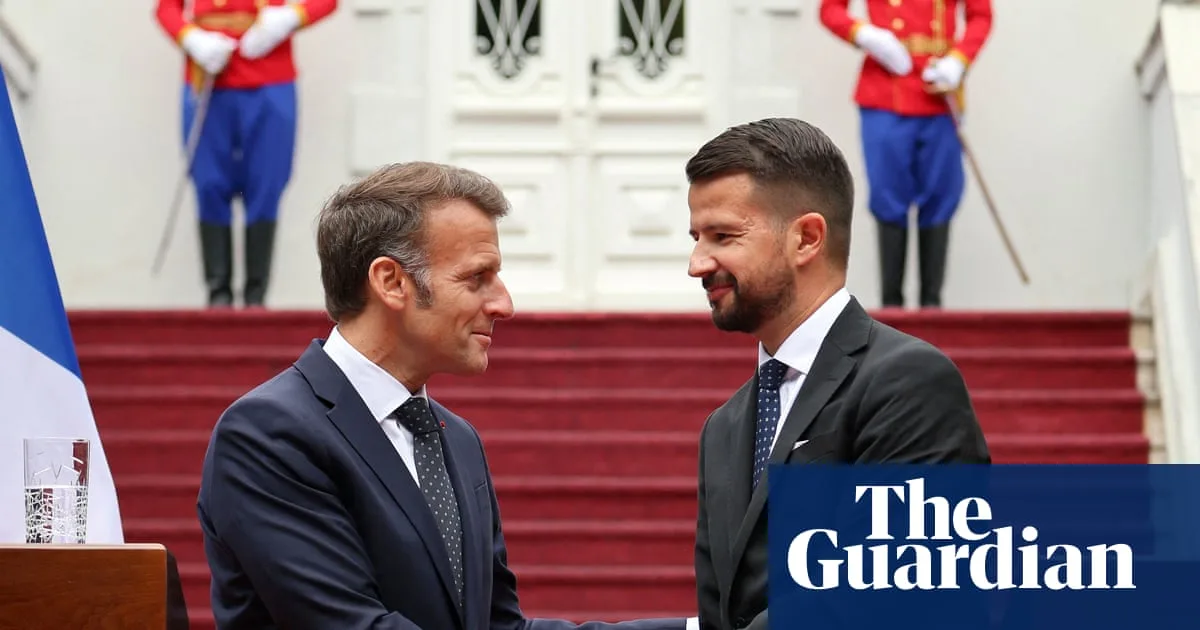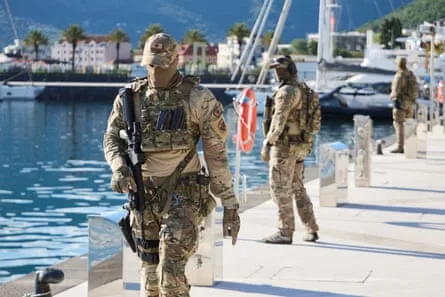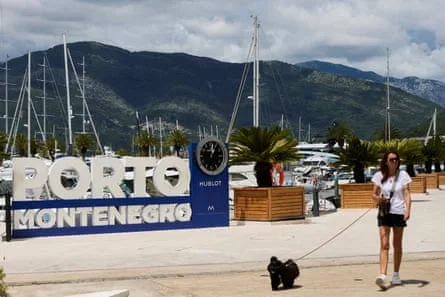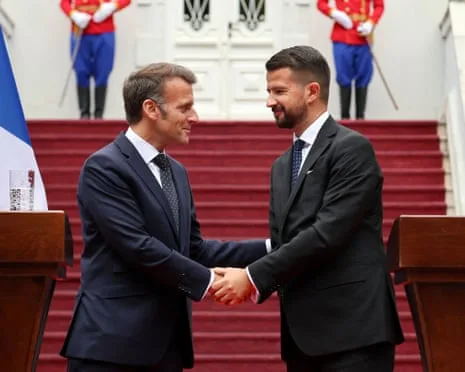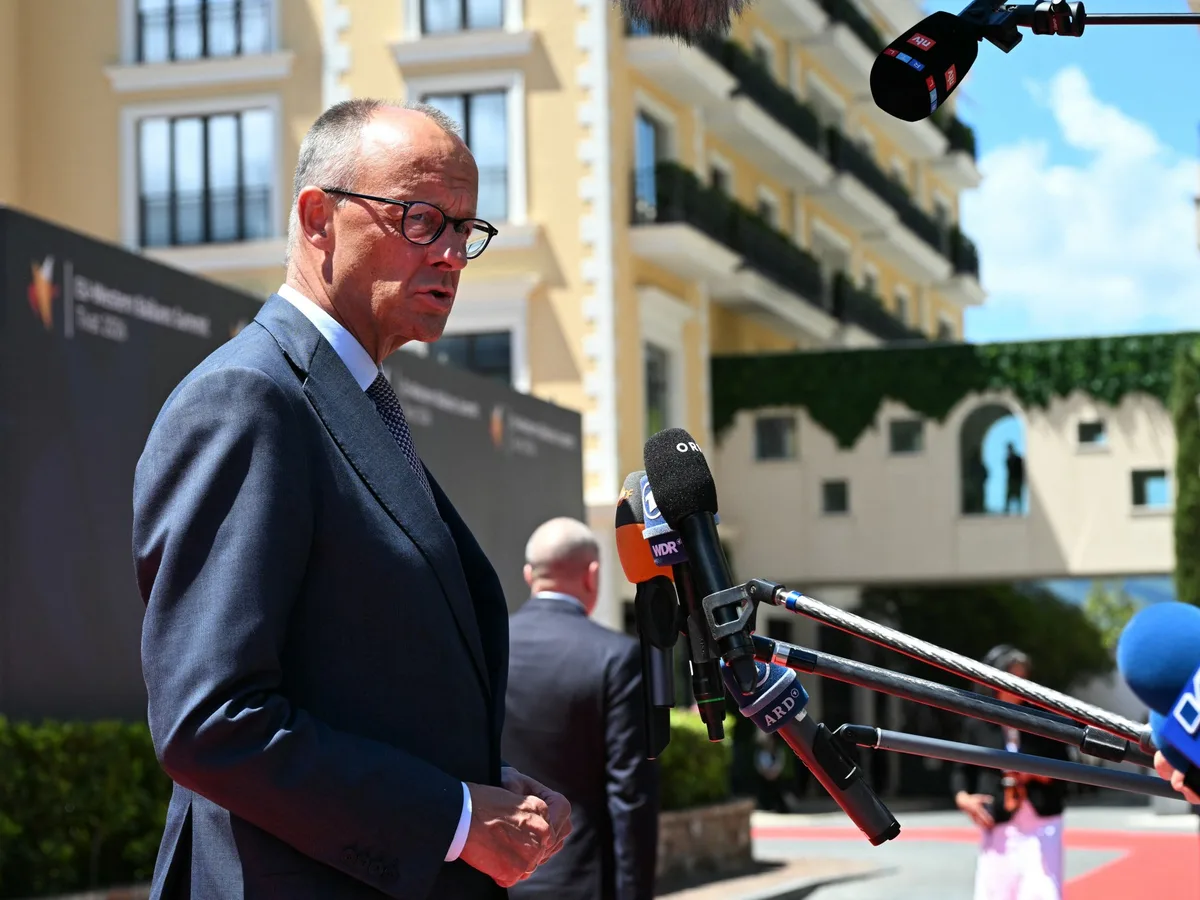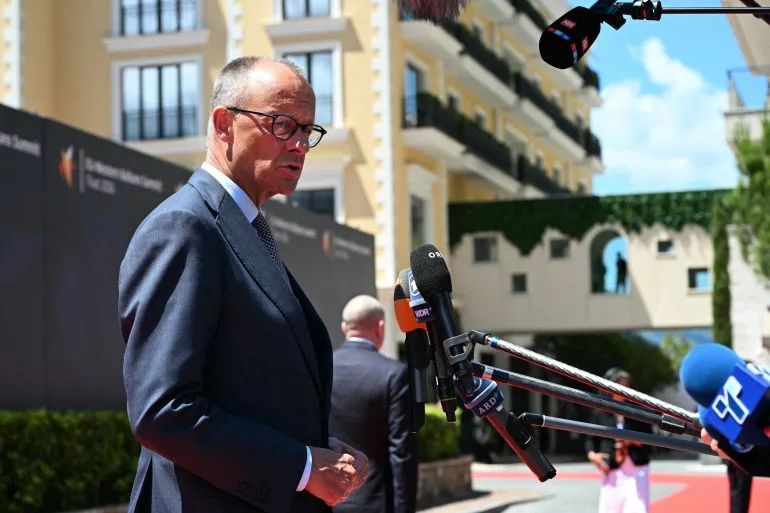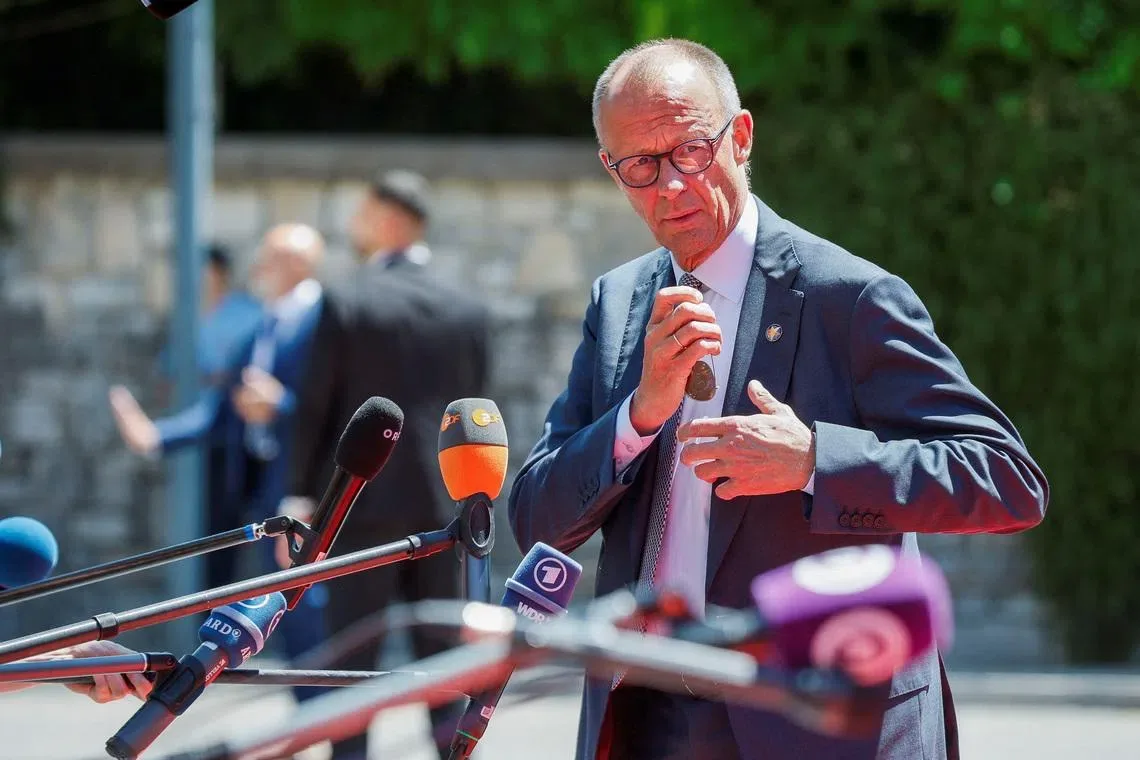
European Union leaders met on June 5, 2026, in Tivat, Montenegro, to discuss the future enlargement of the EU and the membership prospects of six Western Balkan countries: Albania, Bosnia and Herzegovina, Kosovo, North Macedonia, Montenegro, and Serbia [1, 2, 3, 4]. Montenegro, with a population of around 630,000, is considered the frontrunner among the candidates and aims to join by 2028. However, concerns remain over its progress on justice reforms and corruption, with some EU members viewing the 2028 target as ambitious [1, 2, 4].
French President Emmanuel Macron and German Chancellor Friedrich Merz supported a gradual integration process that would allow candidate countries to take part in EU activities before full membership. Macron said, "Together with Germany, we have proposed a strengthened gradual integration process." Merz added, "The European Union has to show that it is capable of enlarging and willing to enlarge and we want to discuss that here," noting the EU has admitted no new members for 13 years, reflecting "shortcomings on the part of the European Union" [2, 4].
European Commission President Ursula von der Leyen emphasized improving the speed and credibility of the enlargement process, stating, "We need to make the enlargement process faster and more credible." European Council President António Costa called enlargement a "geostrategic investment in peace, stability, and security in Europe," especially in the face of Russian and Chinese influence in the Balkans [1, 3, 4]. He also said, "The commitment of the European Union to the western Balkans is real. As real as the opportunity for enlargement." [1]
The talks come amid concerns about democratic backsliding in some candidates, notably Serbia under President Aleksandar Vucic, and issues such as organized crime in Albania [1, 3, 4]. Serbia faces potential EU funding losses of €1.5 billion if democratic reforms do not improve [3]. Security tensions preceded the summit, with Montenegro banning entry to 87 Serbian nationals it deemed security threats, and Serbia’s security service advising President Vucic not to attend due to risks [3].
Ahead of the summit, on June 4, António Costa visited Balkan candidate states urging Serbia to enhance democratic reforms and align its foreign policy with the EU. Montenegro also officially banned the 87 Serbian nationals that day [3]. Hungary lifted its veto on Ukraine moving to the next stage of EU accession talks on June 3, enabling Ukraine and Moldova to open membership negotiations [1].
The EU currently comprises 27 member states with a population of about 450 million [2]. Montenegro’s accession would make it the 28th member if it meets the accession criteria. The summit marks a key step in ongoing discussions over the Western Balkans’ place in the EU. Talks and reforms will continue in the coming months as candidates work to meet EU standards.