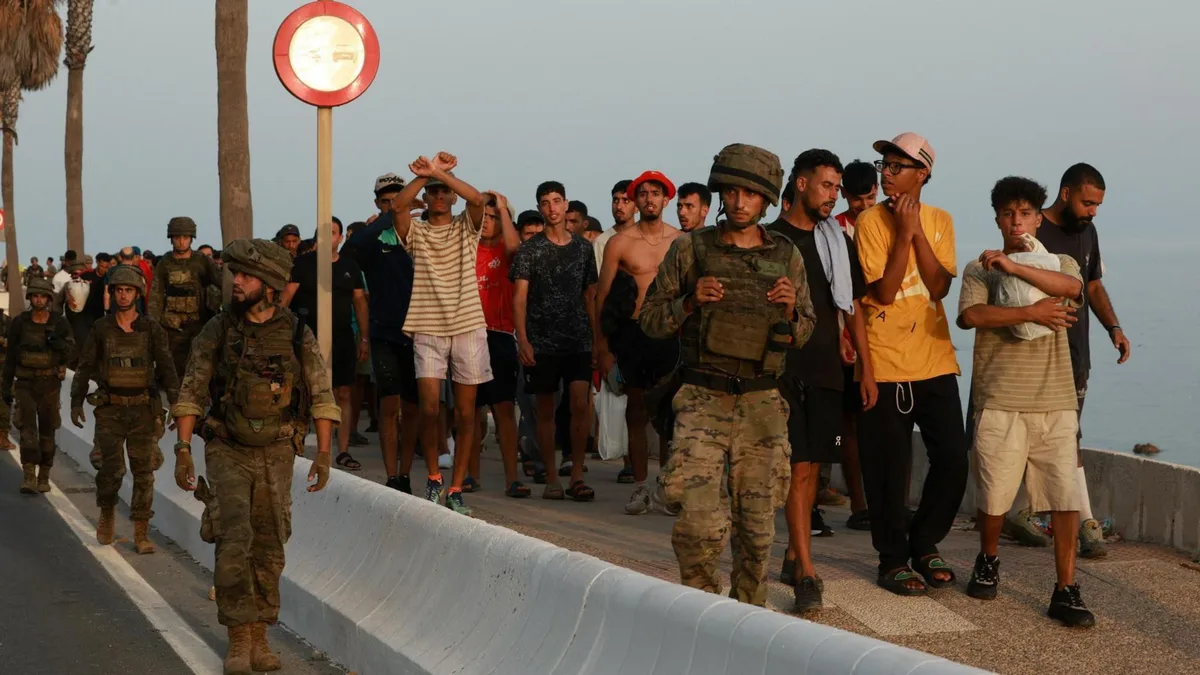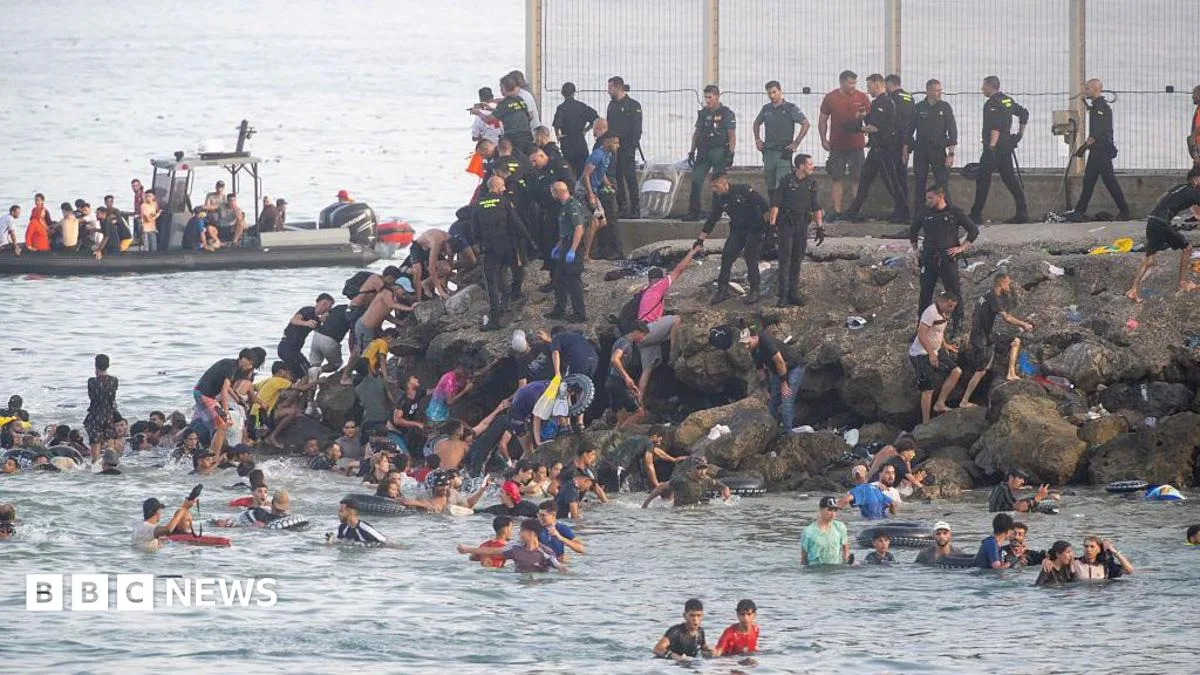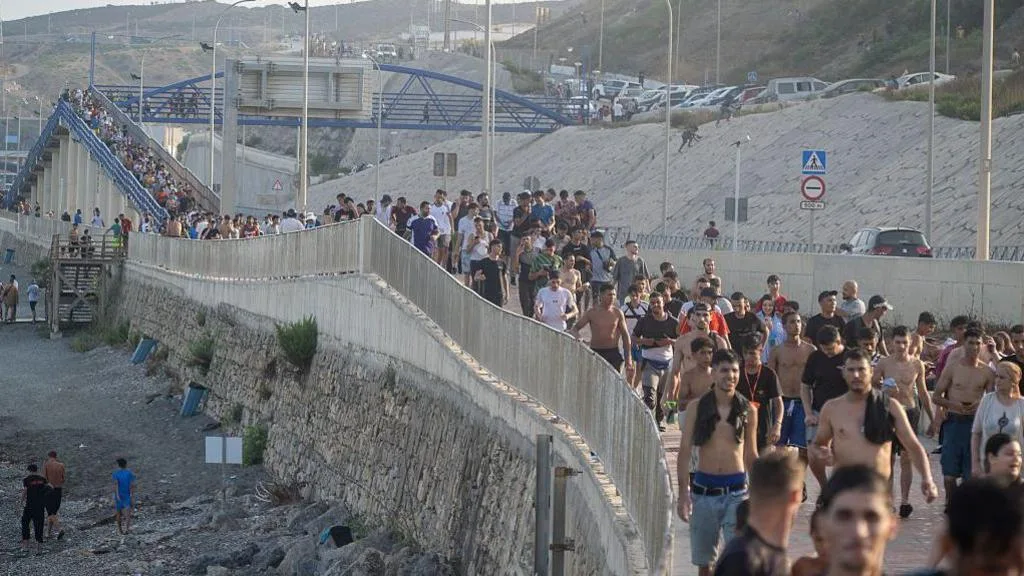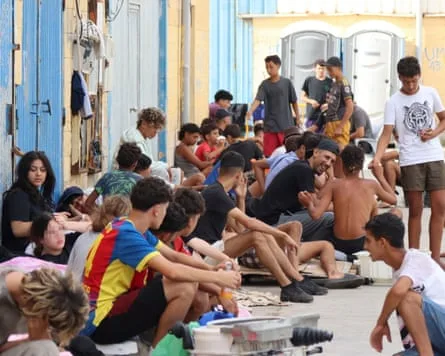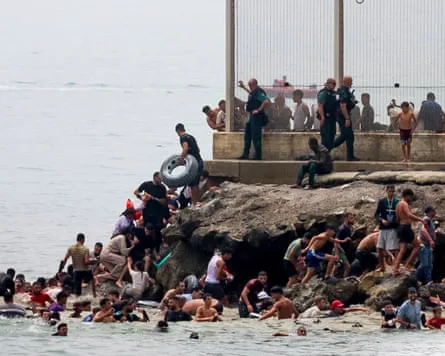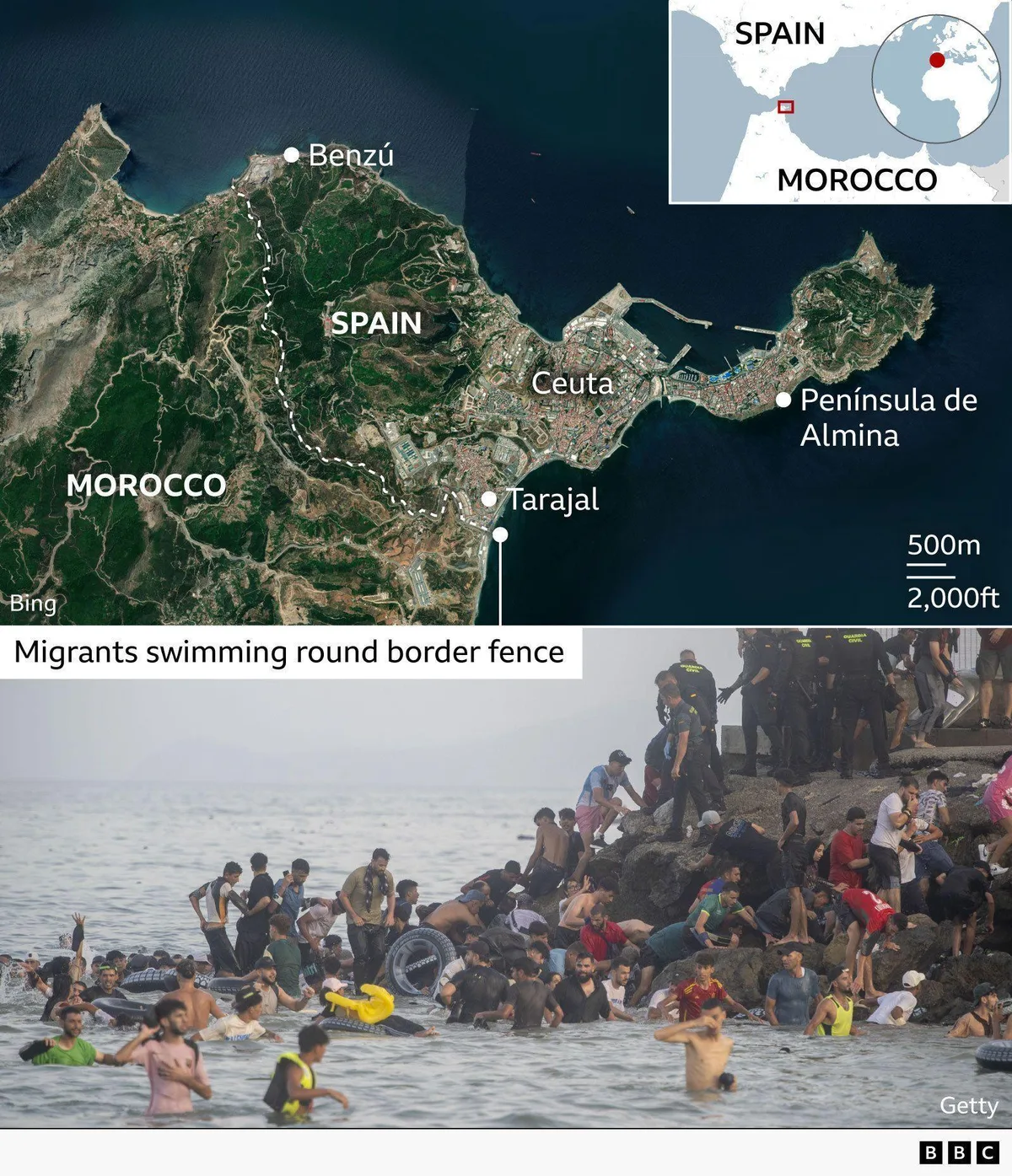
Tens of thousands of migrants from Morocco crossed into the Spanish enclave of Ceuta on July 30, triggering a border crisis demanding urgent EU action [1, 2]. European Commission President Ursula von der Leyen condemned the surge and called for unified EU efforts to reinforce border security, including physical barriers and early warning systems. "From this incident, it is clear that we must do more to further strengthen our borders at critical points, including vigilant monitoring and the use of physical barriers where needed," she said [2].
Spain estimates that around 69,500 migrants have now been returned to Morocco, surpassing initial arrival estimates of 50,000 [1, 2]. The official death toll stands at 72 on the Spanish side, although some reports place the number at 88 people who died attempting to cross, with an additional 11 deaths on the Moroccan side [1, 2].
Spain’s Prime Minister Pedro Sánchez criticized other European governments for attacking Spain's handling of the situation. He said, "Some European governments have chosen to attack Spain, driven by prejudice, fake news, ignorance, or political interest," emphasizing that Ceuta is not part of the Schengen Area [1].
Italy reacted by temporarily suspending the Schengen agreement with Spain, a move supported by Finland and Denmark. The Czech Prime Minister also called for suspension of Spain’s Schengen membership [1]. Italy plans to speed up the opening of offshore migration centers despite human rights concerns [2].
In early August, Spain started installing a 500-metre floating barrier at the Ceuta border with Morocco to curb irregular crossings [2]. The enclaves of Ceuta and Melilla are the EU's only land border with Africa but are excluded from the Schengen free-movement zone [2]. Spanish authorities suspect smugglers exploited a recent Supreme Court ruling limiting immediate expulsions of sea arrivals to facilitate the crossings [1].
Von der Leyen urged the EU to enhance cooperation with partner states, dismantle smuggling networks, and speed up returns of migrants without legal status [1, 2]. EU interior ministers are set to hold emergency video talks on Tuesday, August 4, to discuss lessons from the Ceuta crisis and coordinate responses [1, 2]. Spain has not yet requested assistance from the EU's Frontex border agency, though funding and support remain available [2].