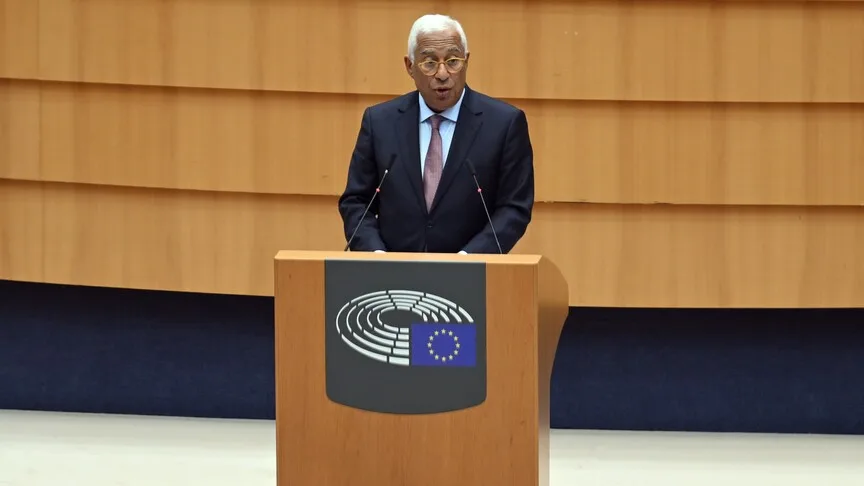
The 8th European Political Community summit took place on May 4 in Yerevan, Armenia, gathering European leaders to discuss security challenges facing the continent and its neighborhood [1]. European Council President Antonio Costa described the event as historic and "a summit of peace in the Caucasus" achieved through "brave political choices and patient diplomatic efforts" [1].
Costa highlighted the mounting geopolitical challenges and instability in regions near Europe that threaten the continent’s safety, economy, and energy supplies. "In the current geopolitical context, it is increasingly clear that our continent needs a 360º degree vision for its security," he said, noting the summit's location close to the Middle East underscores the direct impact of conflicts in Europe’s neighborhood [1].
The summit emphasized the importance of multilateral cooperation, the United Nations, and strict adherence to international law as pillars for ensuring security and peace in Europe [1]. Costa stressed that lasting peace and stability require resilient democratic institutions and stronger economic cooperation among neighboring countries [1].
Azerbaijan's President Ilham Aliyev participated via video conference, signaling diplomatic engagement in the Caucasus region [1].
On Ukraine, Costa reaffirmed the EU’s commitment, stating, "The European Union will stand with Ukraine for as long as it takes to achieve a sustainable, just, and lasting peace, in full respect of Ukraine's territorial integrity" [1]. He also said the EU aims to advance Ukraine’s EU accession process by opening the first negotiation cluster "as soon as possible" [1].
The summit concluded with a shared focus on reinforcing Europe's security through broad regional cooperation and upholding democratic values. Officials plan to pursue next steps on Ukraine’s EU accession process and continue diplomatic efforts in the Caucasus.


