European officials remain wary of quickly dispatching naval ships to the Strait of Hormuz due to safety concerns and unclear operational details, according to sources at the Group of Seven Summit held in France in June 2026 [1, 2]. The officials highlighted the risks involved, especially given that specialized demining vessels required to clear Iranian mines are slow-moving and generally lack defensive weapons, leaving them vulnerable to attack [1, 2].
U.S. President Donald Trump has set a strict timeline to reopen the critical waterway for shipping, stating, "Ships are starting to go out now, on Friday it’ll be completely opened" [1]. The U.S. aims to restore normal traffic levels rapidly but faces a shortage of demining assets deployable in the Middle East and is seeking allied support for mine clearance efforts [1, 2]. A senior U.S. official noted that traffic through the strait will increase gradually and it may take two weeks or more to return to pre-attack levels seen before February 2026 [1].
At the G7 leaders' dinner on June 15, Iran dominated discussions as Trump gave an extensive briefing on the agreement with Tehran, emphasizing that no fees will be charged for transit through the strait [1, 2]. Despite these announcements, European countries pressed for more specific details about the deal and the terms of cooperation, many of which remain unresolved [1, 2]. French officials said they are engaged in ministerial-level talks with Iranian counterparts but have not received clear responses [1, 2].
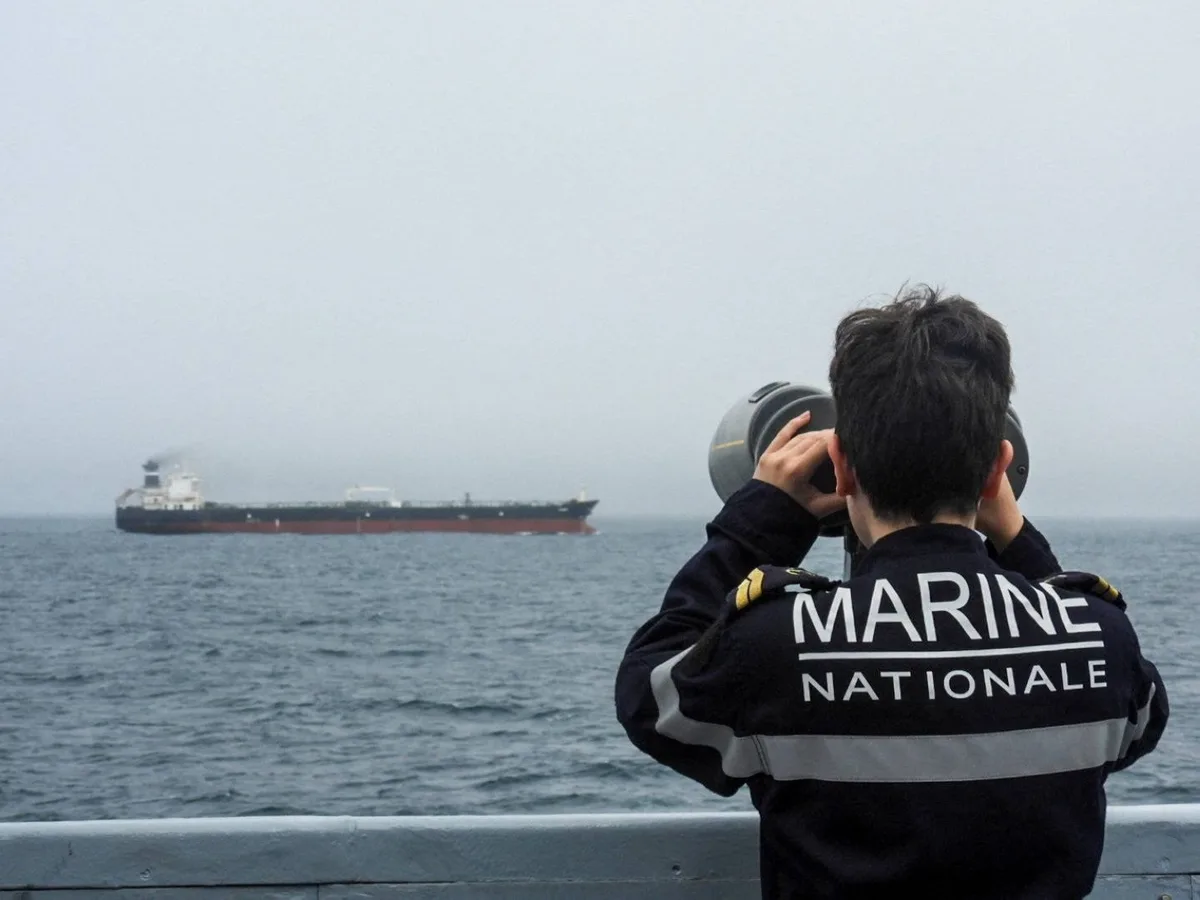
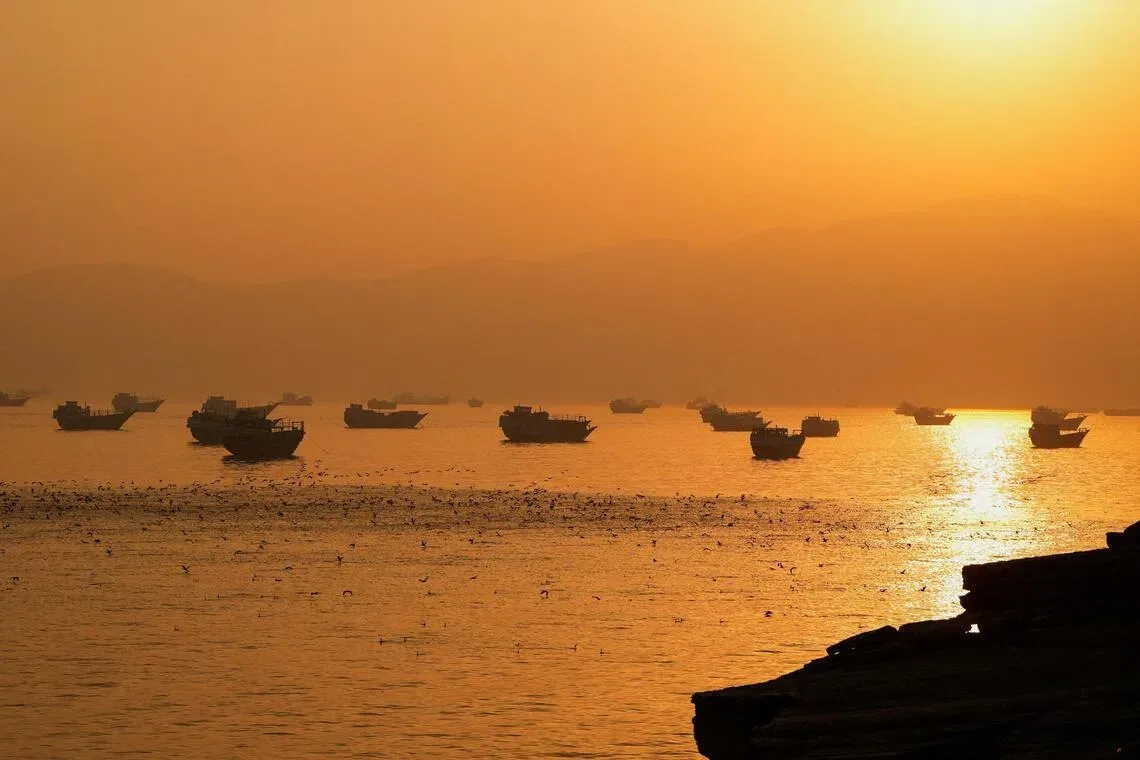
France has indicated willingness to conduct demining missions, with some vessels reportedly already departed from Toulon, though the exact timeline of this operation is unclear [2]. Meanwhile, a rising number of oil tankers have recently navigated the strait by hugging Oman's coastline at night with transponders off, supported by U.S. guidance and air surveillance [1, 2]. This cautious approach follows an Omani warning issued in May 2026 after a suspected mine was spotted in its territorial waters near the strait [1, 2].
European officials' caution centers on the complexity and danger of clearing mines with limited defensive capabilities, alongside lingering uncertainty over operational details from Iran. The situation remains fluid as the U.S. seeks to open the strait imminently. The next key developments include ongoing coordination efforts among allies and the progress of France's demining mission, which began shortly after the June 16 G7 session with Middle East leaders [2].