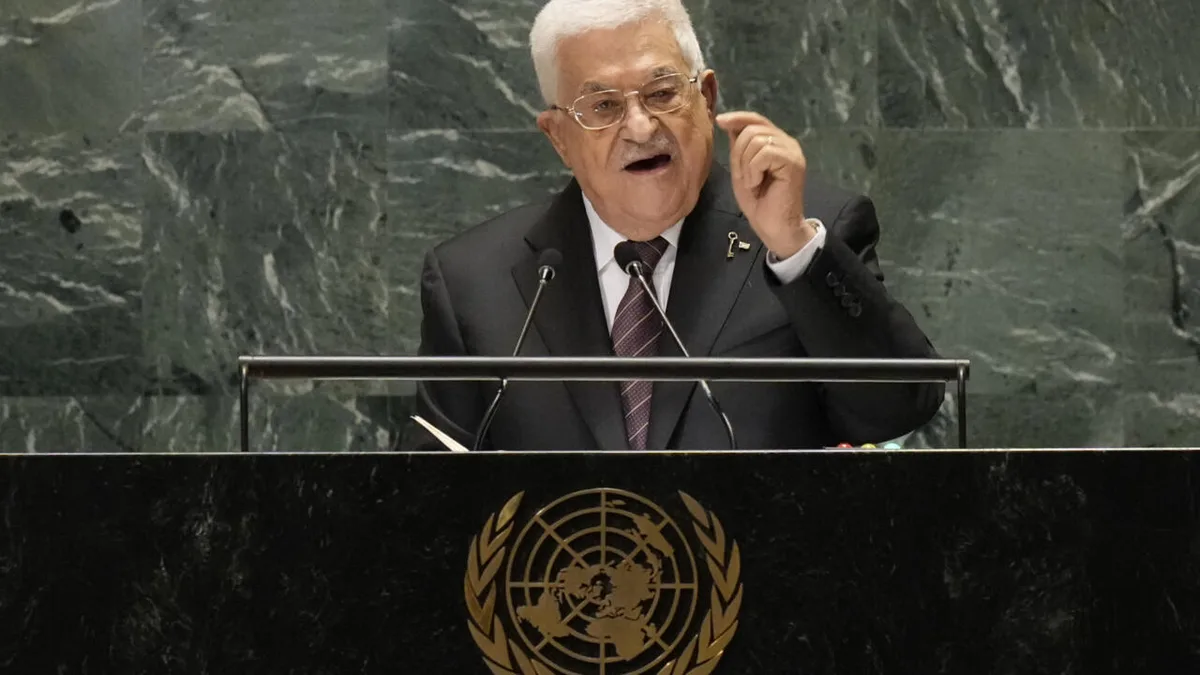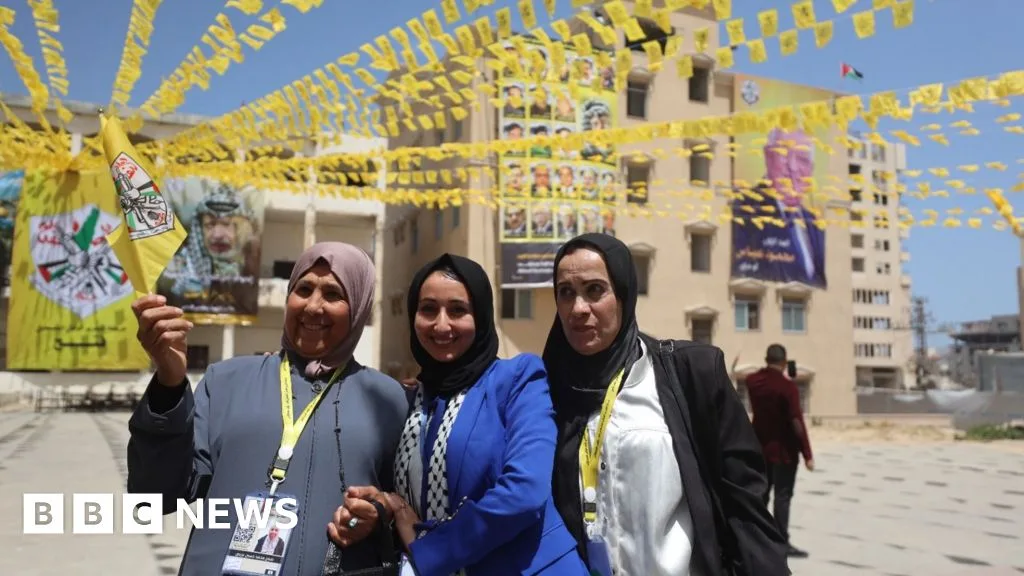
Fatah convened its first major conference in 10 years on Palestinian territory this week, electing its highest decision-making body and re-electing Mahmoud Abbas as its leader at age 90 [1, 2]. Abbas said, "Holding the gathering on our homeland's soil confirms our determination to continue on the democratic path," affirming the faction's commitment to democracy [1].
Abbas promised presidential and parliamentary elections for the first time in 20 years but did not provide a specific timeline for the vote [1]. He said, "We renew our full commitment to continuing work on implementing all the reform measures we pledged," signaling a willingness to pursue reforms under pressure from the US, EU, and Arab countries interested in democratic progress [1]. However, many Palestinians remain dissatisfied with Abbas’s leadership, with opinion polls showing widespread public desire for his resignation [1].
The conference also highlighted internal tensions as Abbas’s eldest son, a businessman, ran for a senior party position for the first time, stirring unease within Fatah ranks [1].
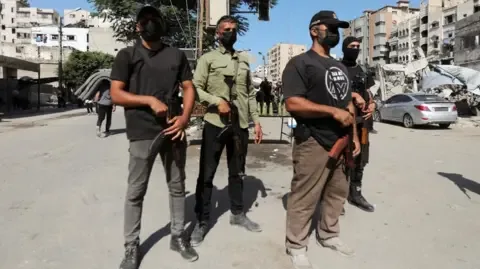
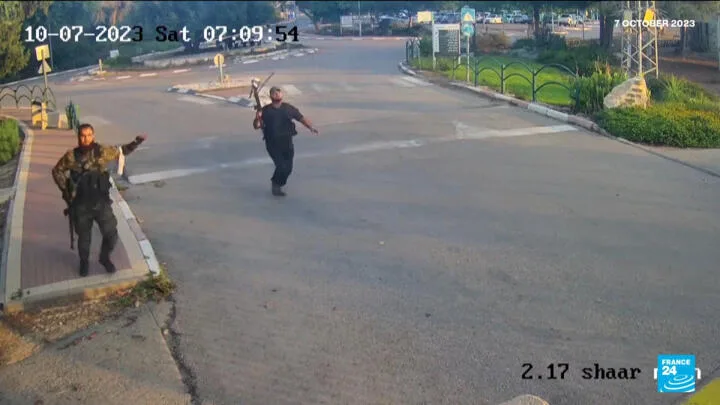
Since Fatah's last conference in 2016, the situation in Palestinian territories has worsened. The 2023 Hamas-led war in Gaza triggered a humanitarian catastrophe, which Abbas described as unprecedented suffering marked by "Palestinians have been slaughtered, displaced and devastated" [1]. Additionally, illegal Israeli settlements expanded, and Israel withheld tax transfers to the Palestinian Authority, citing disputes over school textbooks and payments to families of prisoners [1].
Abbas's re-election and election of the new central committee mark a key moment for Fatah as it faces domestic discontent and international calls for reform [1, 2]. The faction must now address demands for elections and navigate political and humanitarian challenges in the coming months.