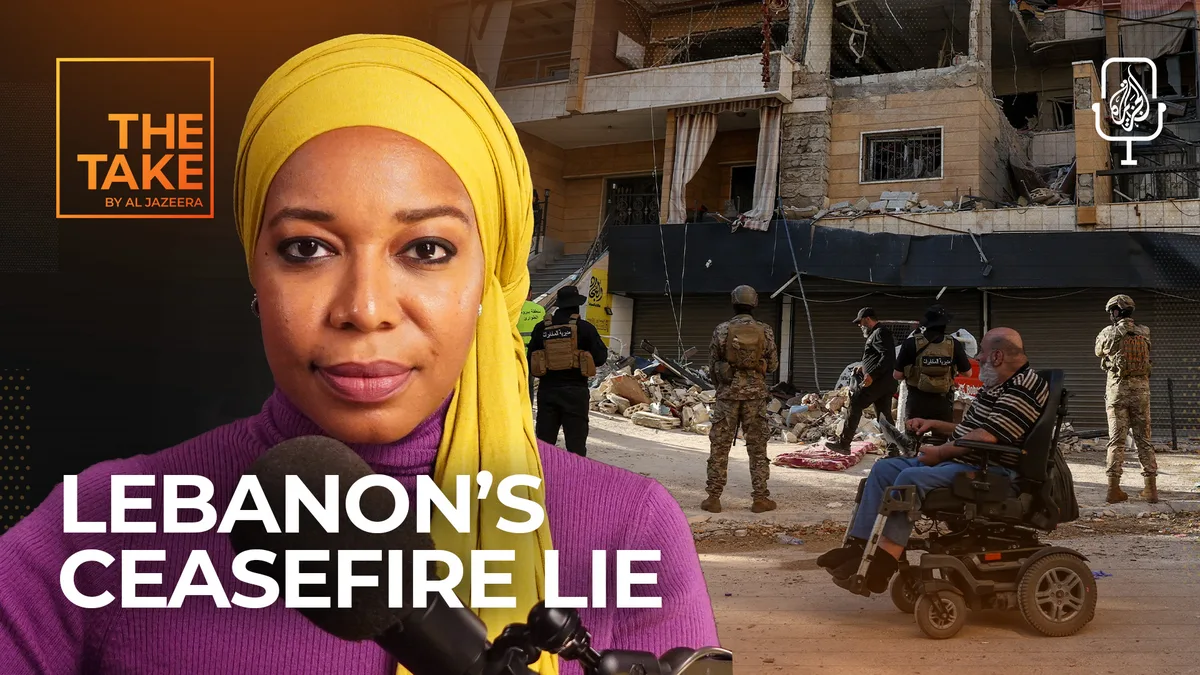
Despite a formal ceasefire agreed in April between Tehran and Washington, fighting continues in Lebanon, with clashes involving Hezbollah and Israel near Lebanon’s northern border [1, 2]. Israel insists the ceasefire does not apply to Lebanon and maintains military operations against Hezbollah there [2]. Iran, however, asserts the ceasefire does include Lebanon, considering the conflict a single theater of war [2].
Israel regards Hezbollah as a proxy militia controlled by Iran’s Islamic Revolutionary Guard Corps. It sees the group as part of a broader regional conflict fueled by Iranian influence [2]. This view drives Israel’s ongoing actions in Lebanon, despite the ceasefire agreement with Iran.
The April ceasefire, brokered between Tehran and Washington, was intended to reduce hostilities between the two countries. Israel disputes its scope, emphasizing that Lebanon was excluded from the agreement and justifying its continued fight against Hezbollah [2]. Iran challenges that assertion, saying Lebanon’s situation falls under the terms of the ceasefire as part of the same conflict [2].
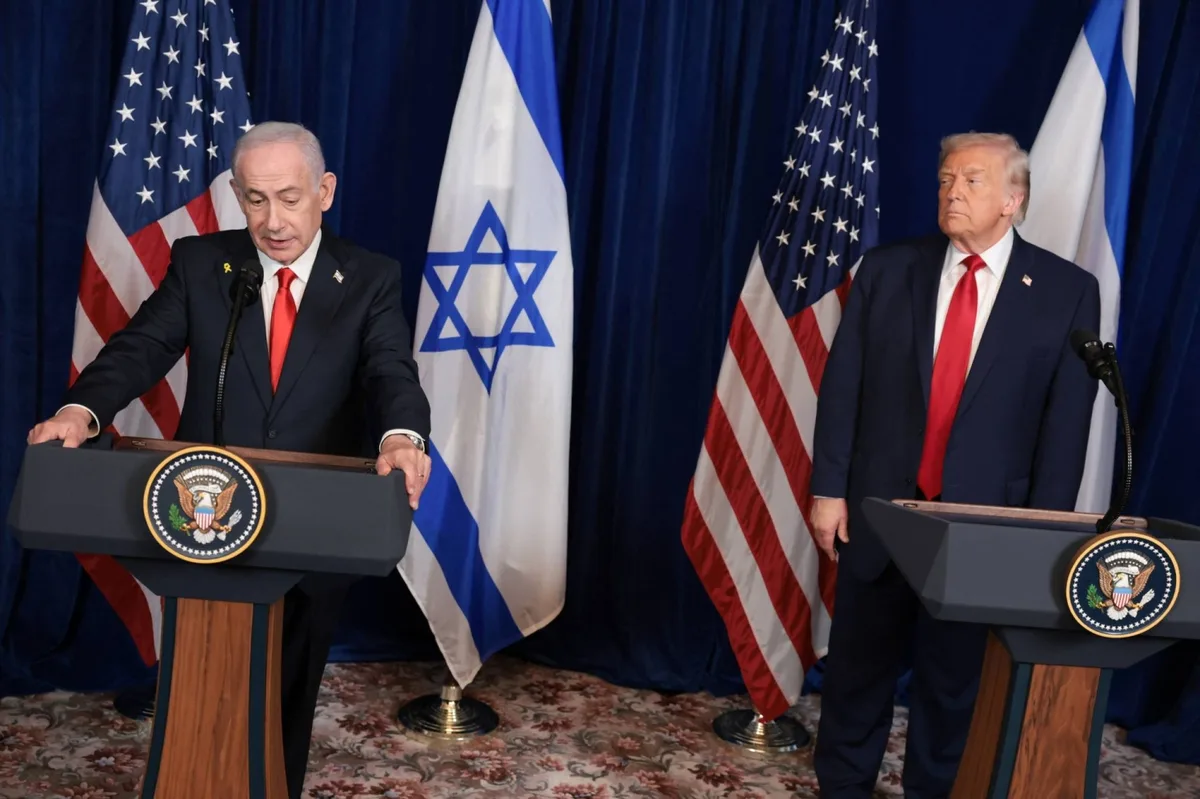
On June 1, 2026, amid these tensions, former U.S. President Donald Trump held a phone call with Israeli Prime Minister Benjamin Netanyahu. The discussion occurred as the situation along the Israel-Lebanon border remained volatile [2].
With no resolution in sight over whether the ceasefire covers Lebanon, fighting persists in the region. Israeli military actions against Hezbollah continue near the northern border, maintaining a tense and unstable security environment [1, 2].