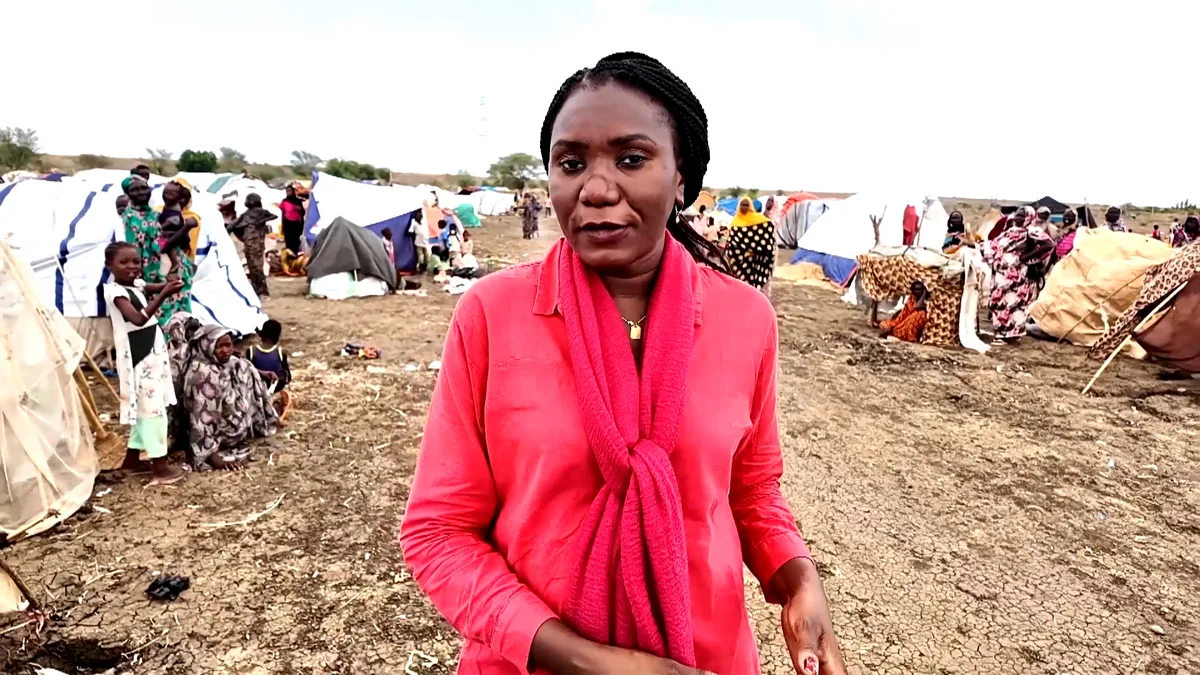
Fighting between the Sudanese army and the Rapid Support Forces (RSF) has displaced nearly 50,000 people in Blue Nile State since January 11, 2026, according to recent reports [1, 2].
The clashes erupted amid continued conflict involving the Sudanese army, RSF, and the Sudan People’s Liberation Movement-North (SPLM-N) [2]. The RSF began fighting the Sudanese army in April 2023 over disputes related to their integration into the military [2].
Between January 11 and May 4, 2026, an estimated 49,512 people, or about 9,899 families, were forced to flee their homes within Blue Nile State [2]. This is nearly double earlier estimates of more than 28,000 displaced over an unclear period, highlighting the intensifying nature of the conflict [1, 2].
The displaced have sought shelter at seven locations across Blue Nile State. The city of Damazin alone received 25,630 of those displaced, making it the largest gathering site [2]. Most people displaced, about 78%, live in informal gathering sites. Another 13% shelter in schools and public buildings, while 9% stay with host families [2].
The violence in Blue Nile is part of a wider conflict across Sudan that has displaced around 13 million people nationwide and caused tens of thousands of deaths since fighting escalated in 2023 [2]. Authorities and aid groups face challenges addressing the humanitarian needs of those uprooted.
The displacement trend is ongoing, with new clashes reported regularly. Monitoring continues as humanitarian agencies plan next phases of support for displaced communities in Blue Nile State.