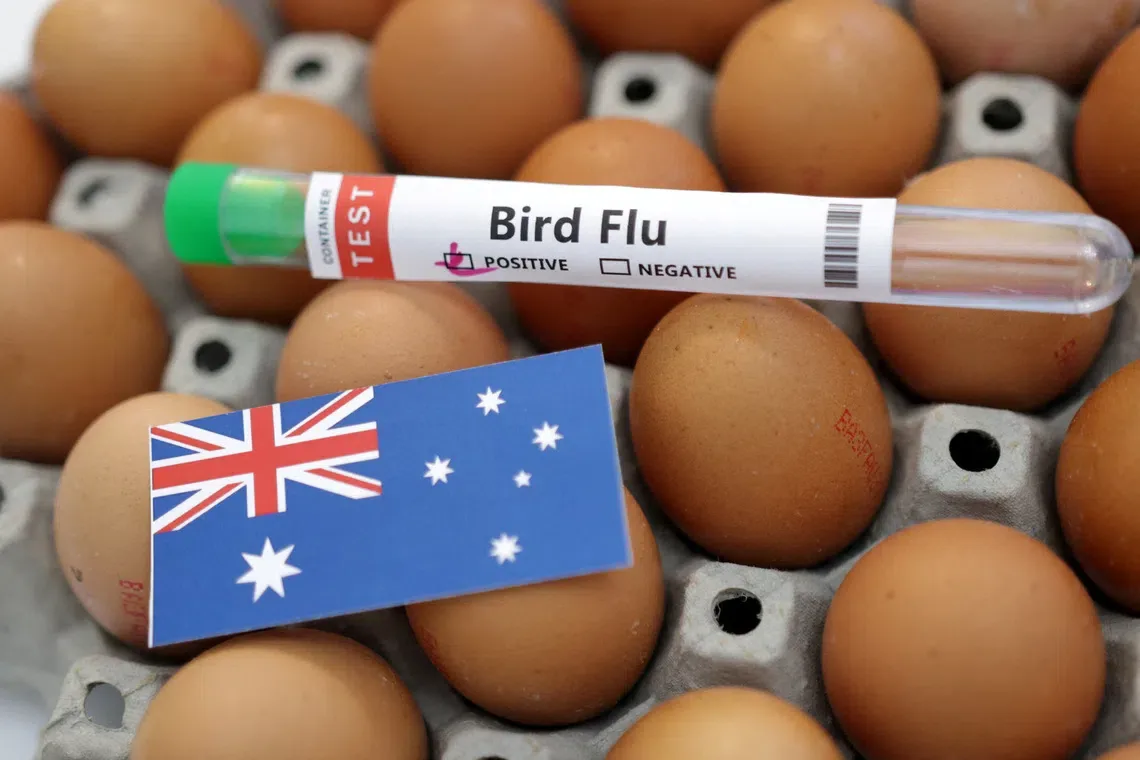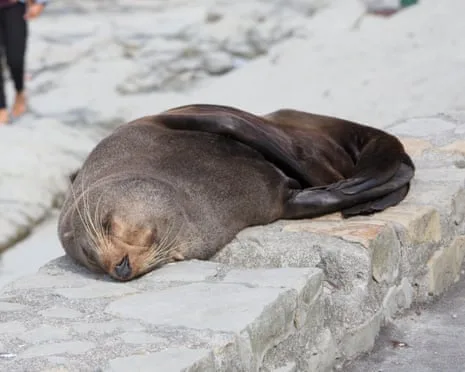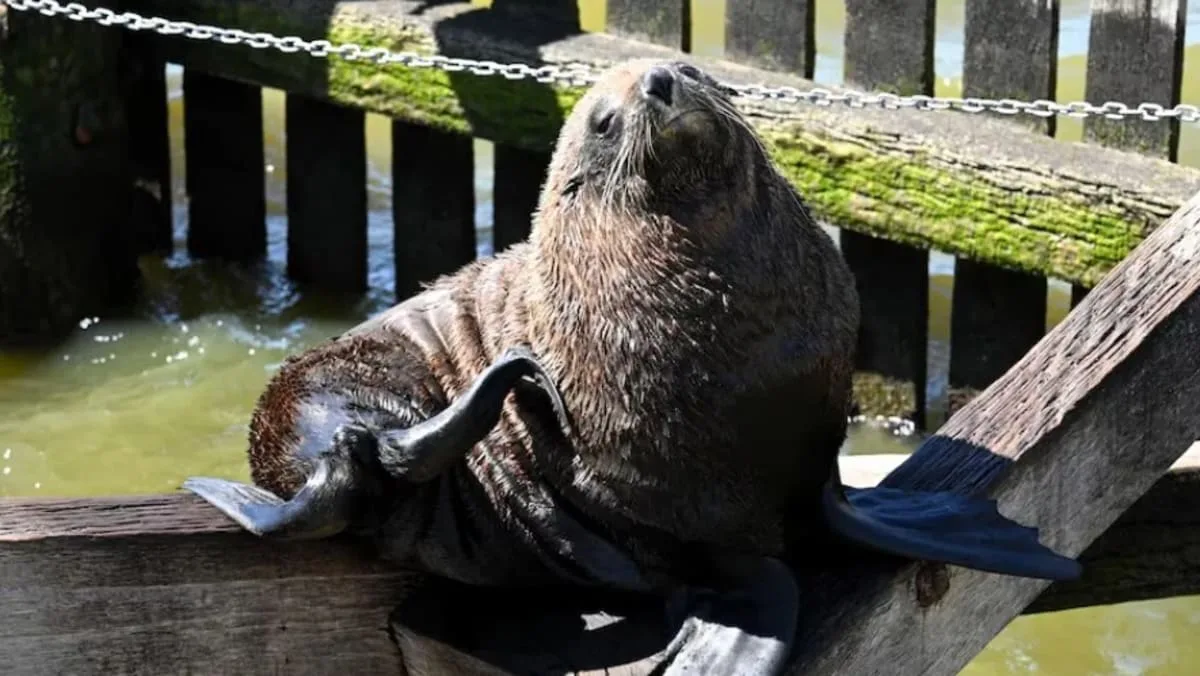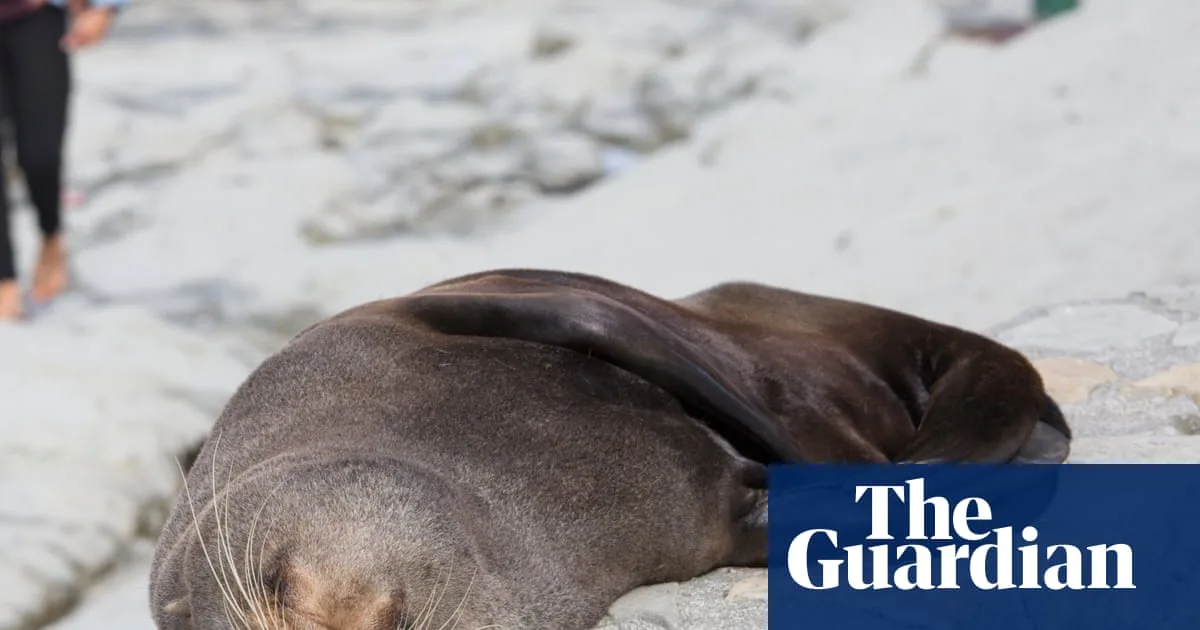
A long-nosed fur seal was found dead on August 19 at Beachport, about 300-310 km south of Adelaide, South Australia, and later tested positive for the H5N1 bird flu virus [1, 2, 3, 4]. This marks the first confirmed mammalian death from the H5N1 strain on mainland Australia [1, 4]. The seal showed no signs of injury at the time it was found, indicating the virus as the likely cause of death [2, 3].
South Australia is home to an estimated 100,000 long-nosed fur seals, raising concern among officials over the virus's impact on local marine wildlife [2, 5, 6]. Federal Agriculture Minister Julie Collins said the infection probably resulted from exposure to infected wild birds or contaminated environments, and not linked to other sick or dead marine mammals [2, 7]. She stated, "Once the H5 bird flu is spreading in the natural environment it is not possible to avoid significant losses" and called it "our first confirmed case of H5 bird flu in a mammal in Australia" [2, 4].
The seal fatality comes amid a growing outbreak of H5N1 in wild birds in the region. Authorities reported mass mortality events involving over 1,000 greater crested terns on offshore islands in South Australia between August 19 and 21 [1, 8]. The total confirmed H5 bird flu cases nationally reached 297-298 by late August, with approximately 183-194 cases in South Australia alone [2, 4, 7, 9]. No cases have been detected yet in poultry or agriculture [3, 5].
The South Australian outbreak strain may have originated from Heard Island, where around 13,000 of an estimated 17,000 elephant seal pups died from H5N1 earlier this year [8, 2]. South Australian Minister Emily Bourke said, "We've seen devastation in seals around the world when it comes to bird flu," and highlighted ongoing vaccination efforts with the federal government, despite stating there is currently "no cure" [8, 9].
Federal Minister for Environment and Water Murray Watt noted that cases in seals were "not unexpected" and more mass mortality events are anticipated [8]. Public health officials consider the risk to humans low but advise avoiding contact with sick or dead wild birds and reporting sightings promptly [5, 6].
South Australian authorities also reported a second suspected H5N1 case in a long-nosed fur seal at Pages Conservation Park on August 24, with samples sent for confirmation [8].