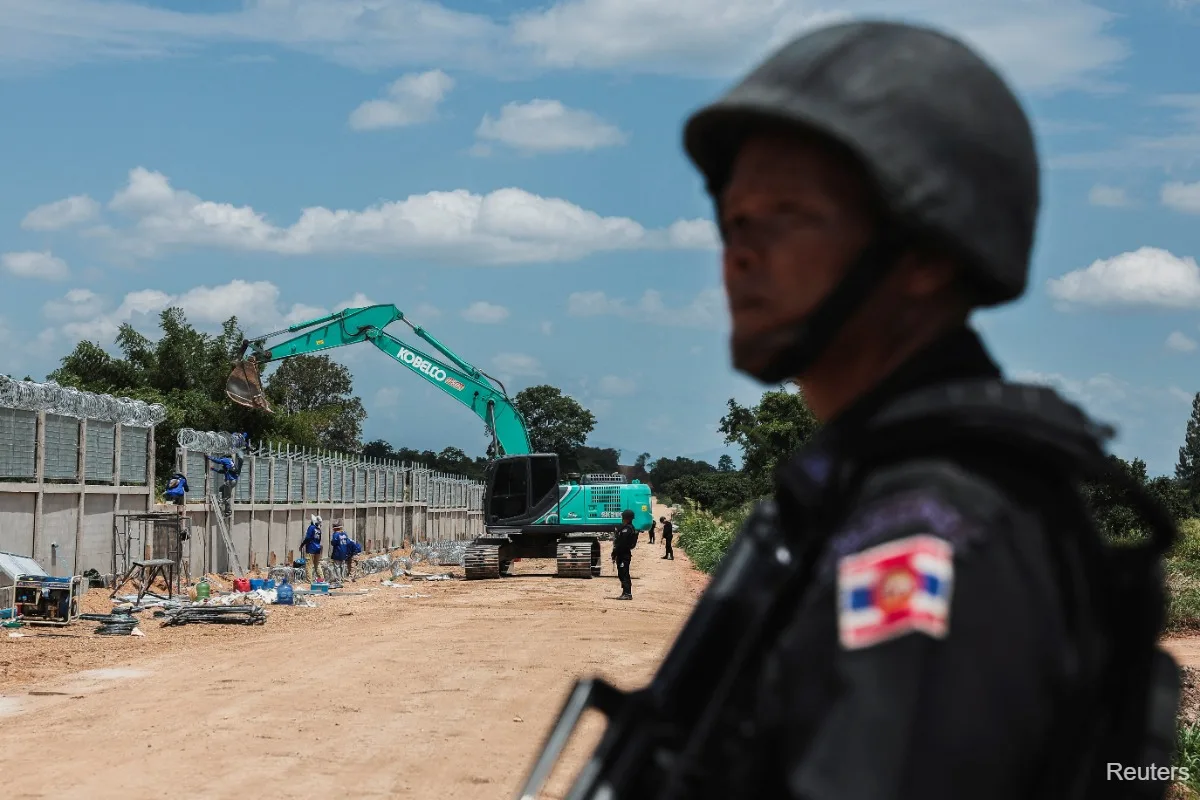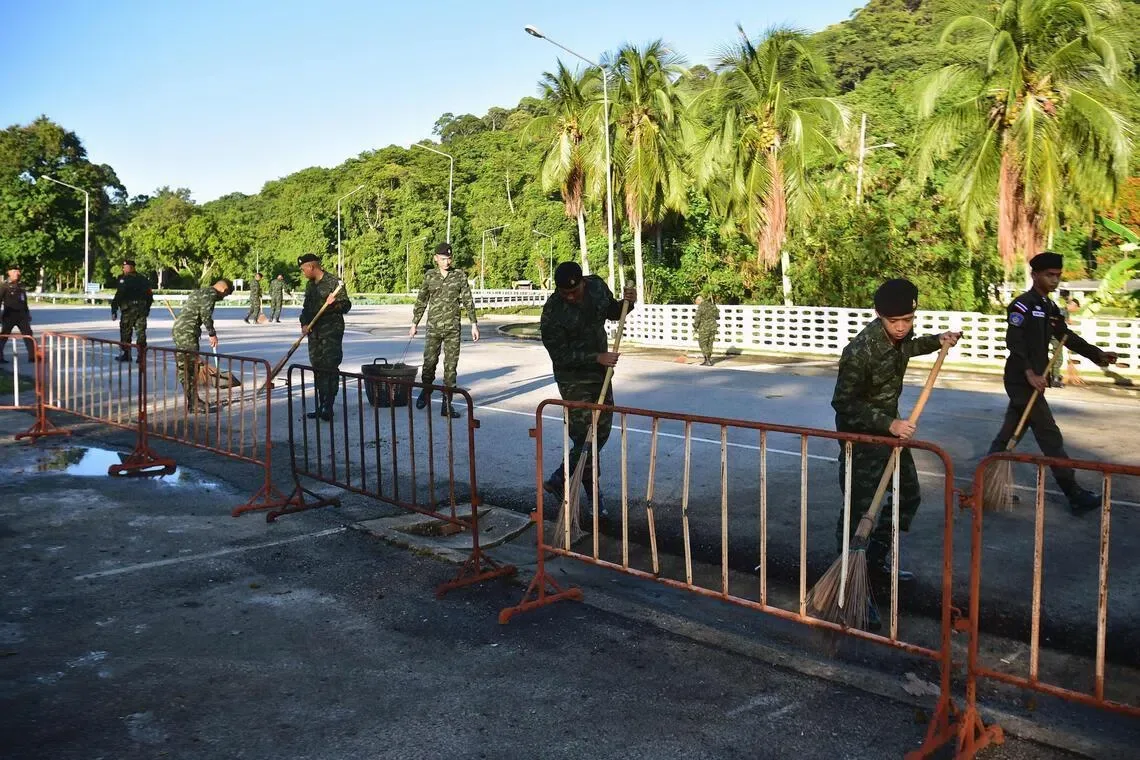
Five Thai paramilitary soldiers were killed on the evening of July 22 at the Buketa Sami checkpoint in Narathiwat province during a combined shooting and pipe bomb attack, officials said [1, 2, 3, 4]. Six civilians, including children aged 3 and 10, were wounded in the assault.
Authorities reported that between six and ten attackers arrived wearing black clothing and hats, traveling by pickup truck and motorcycles. They carried military-grade firearms and pipe bombs [1, 2, 3]. The assailants seized weapons and bulletproof vests from the checkpoint before fleeing. About 21 kilometers away, they abandoned and set fire to their pickup truck [2].
No group immediately claimed responsibility for the attack [1, 2, 3]. The region, primarily comprising Muslim-majority provinces Narathiwat, Pattani, Yala, and parts of Songkhla, has seen a low-level separatist insurgency since 2004 led mainly by Malay Muslim rebel groups like the Barisan Revolusi Nasional (BRN) [1, 2, 3, 4]. The conflict has killed more than 7,000 people over decades [1, 3, 4].
The incident followed a car bomb explosion on July 21 outside a former police station in Narathiwat that injured one officer [3]. Prime Minister Anutin Charnvirakul has pledged to revive peace talks with the BRN, though previous negotiations have stalled [2, 3]. Government spokeswoman Rachada Dhnadirek condemned the assault, calling it "an act of terrorism that poses a serious threat to national security and undermines ongoing efforts to revive the peace process" [2]. The Thai army said, "Their service and sacrifice will be remembered and honoured with the highest respect" [1].
Opposition leader Natthaphong Ruengpanyawut expressed regret over the soldiers' deaths and urged the government to urgently address the situation [1]. On July 23, authorities imposed martial law in Narathiwat, granting security forces expanded powers including warrantless searches and arrests to pursue insurgents [4].