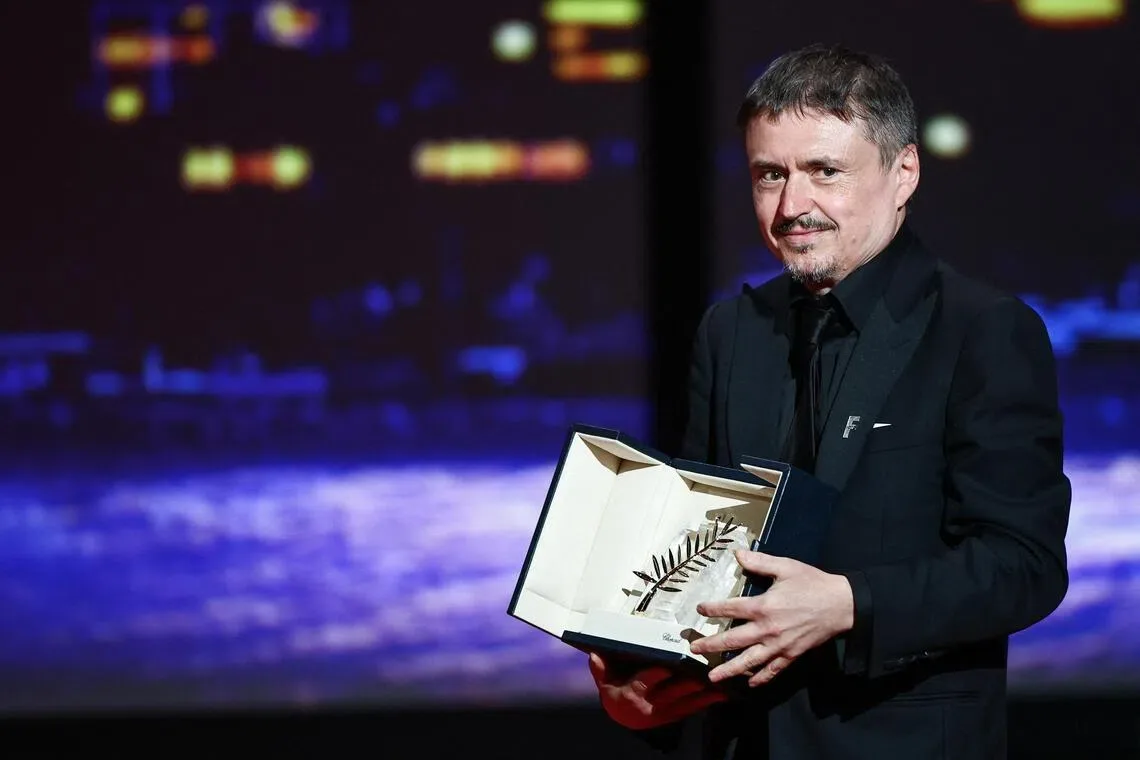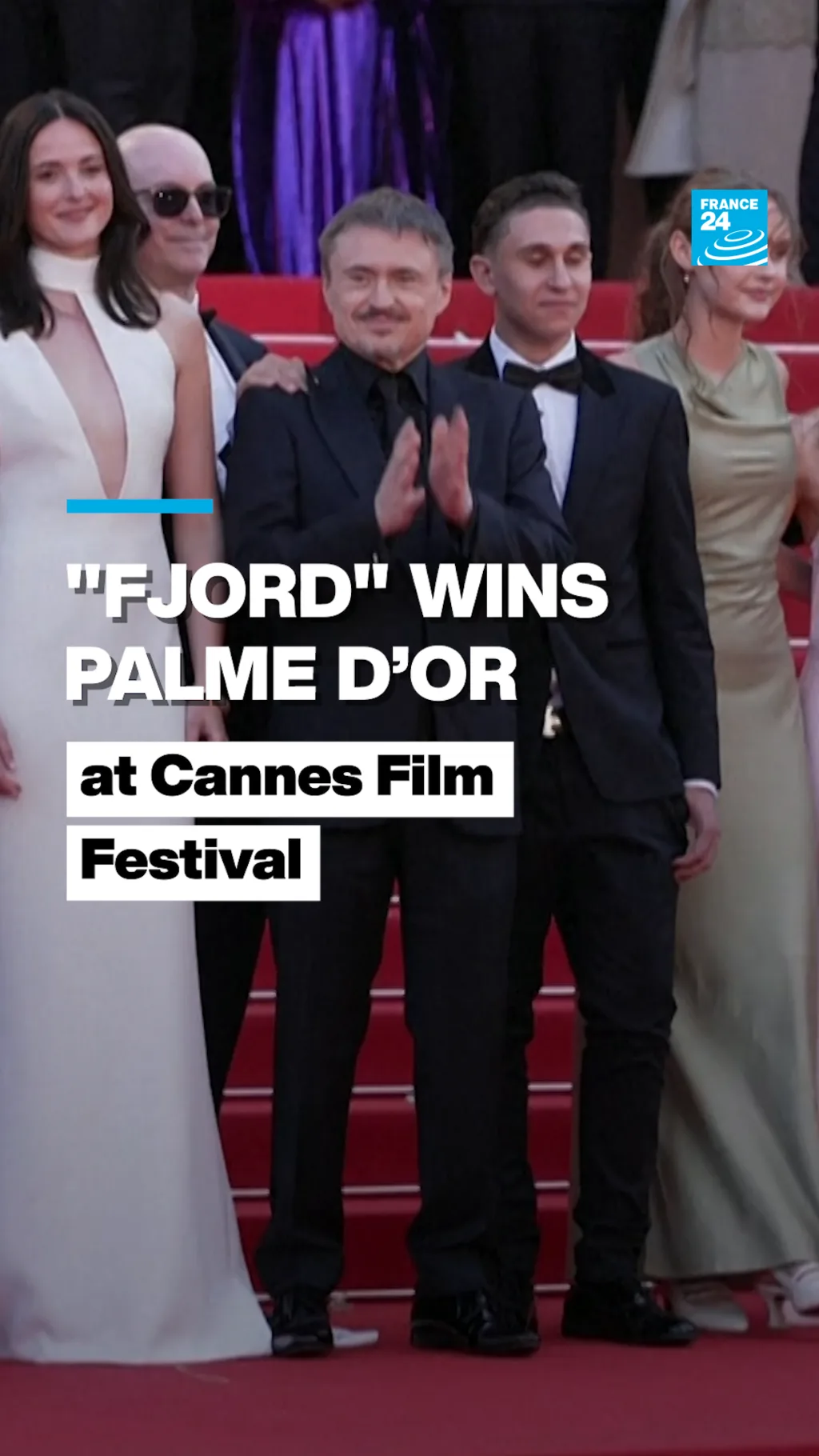
'Fjord', a drama by Romanian director Cristian Mungiu, won the Palme d’Or at the Cannes Film Festival on May 23, 2026 [1, 2, 3]. This marks Mungiu’s second Palme d’Or; he previously won in 2007 for "4 Months, 3 Weeks and 2 Days" [1, 2, 3].
The film stars Sebastian Stan and Renate Reinsve as members of a religious family who move from Romania to a Norwegian village. There, their children are taken by child services over reports of spanking, depicting a controversial intervention by Norway’s child welfare system [1, 2, 3]. The story explores political polarization, left-wing fundamentalism, and cultural clashes in Norway [3].
Mungiu described the film as "a pledge against any type of fundamentalism" and said, "Today the society is split. It’s divided. It’s radicalised. ... We need to apply [tolerance, inclusion and empathy] more often" [3]. He also called on progressive societies that consider themselves superior to do more for inclusion and understanding [4].
The Grand Prix, Cannes’s second-highest honor, went to "Minotaur," a Russian drama by Andrey Zvyagintsev [1, 2, 5]. Zvyagintsev called for peace, saying, "Put an end to the carnage, the whole world is waiting for it" [5].
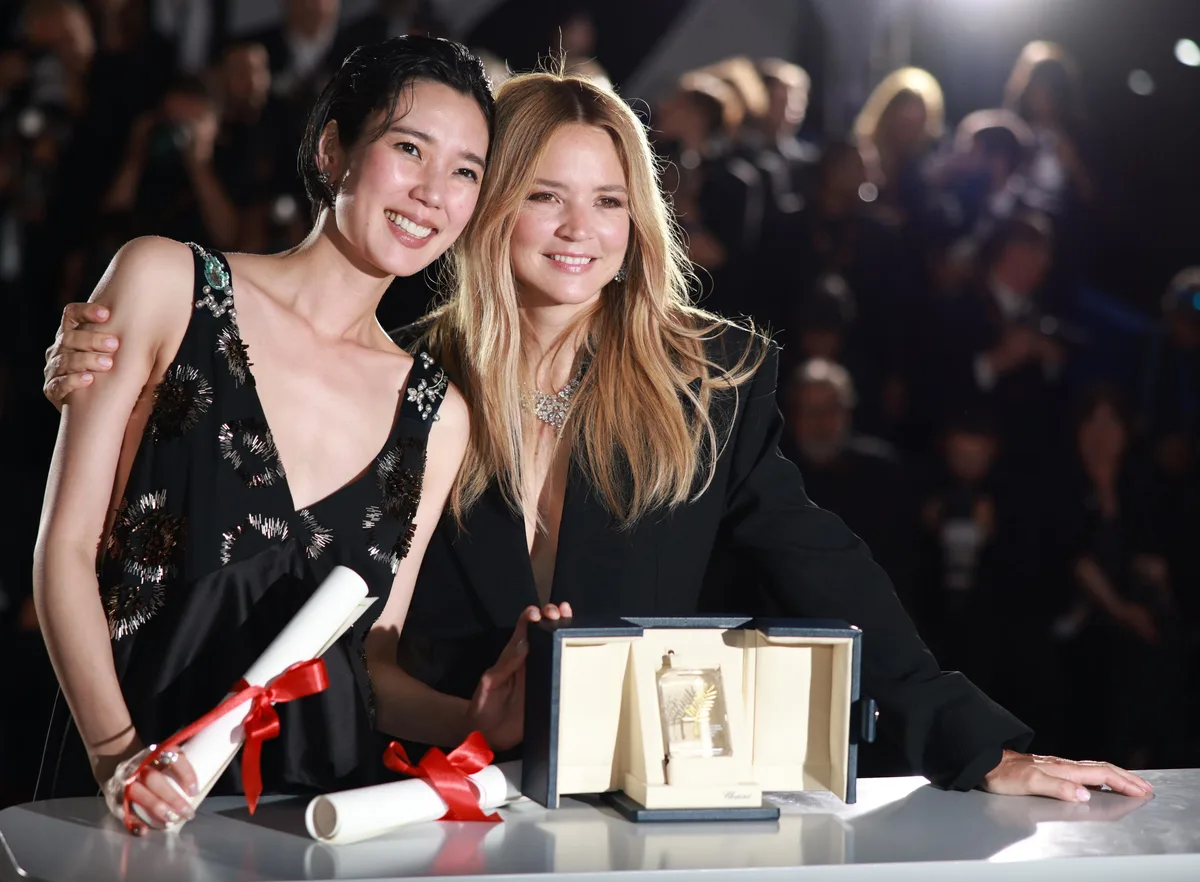
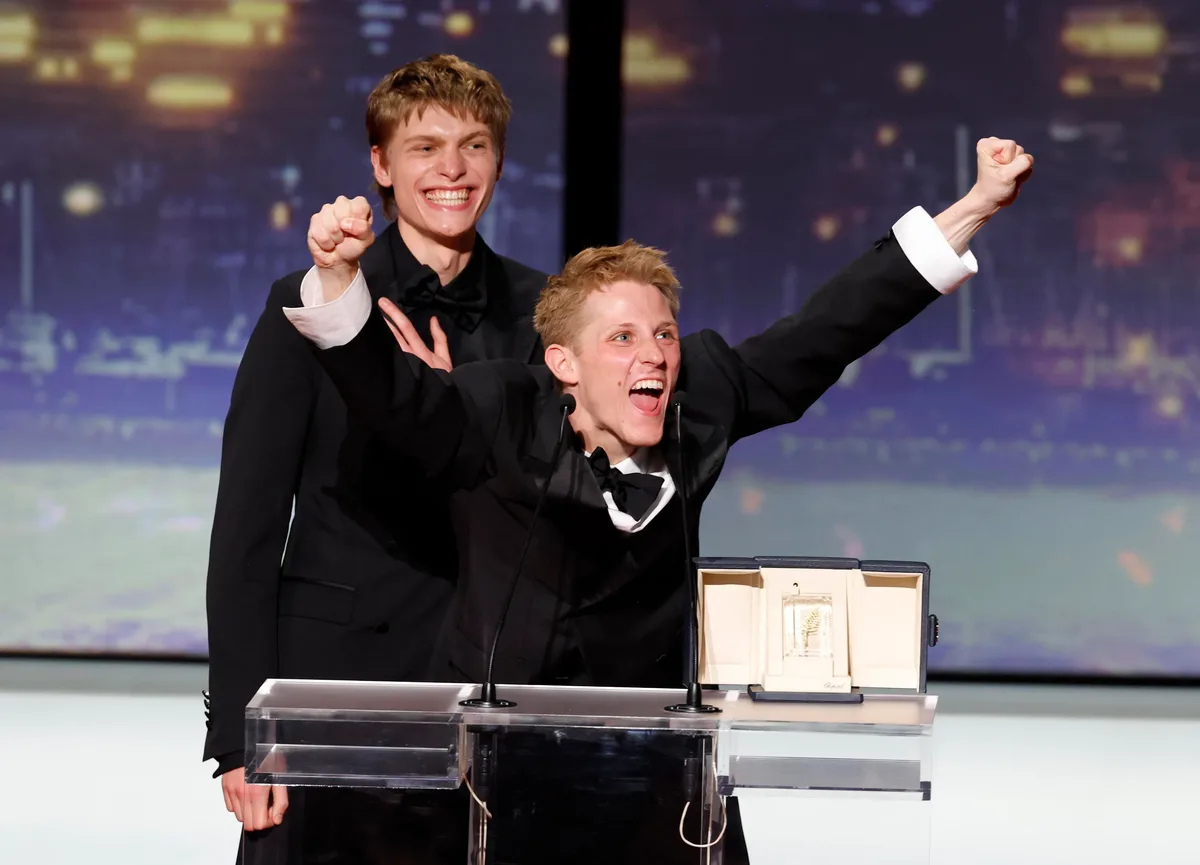
The Best Director prize was shared between Pawel Pawlikowski for "Fatherland" and the Spanish duo "Los Javis" for "The Black Ball" [1, 2]. The Best Actress award was split by Virginie Efira and Tao Okamoto for "All of a Sudden," while the Best Actor prize was shared by Valentin Campagne and Emmanuel Macchia for "Coward" [1, 2, 5].
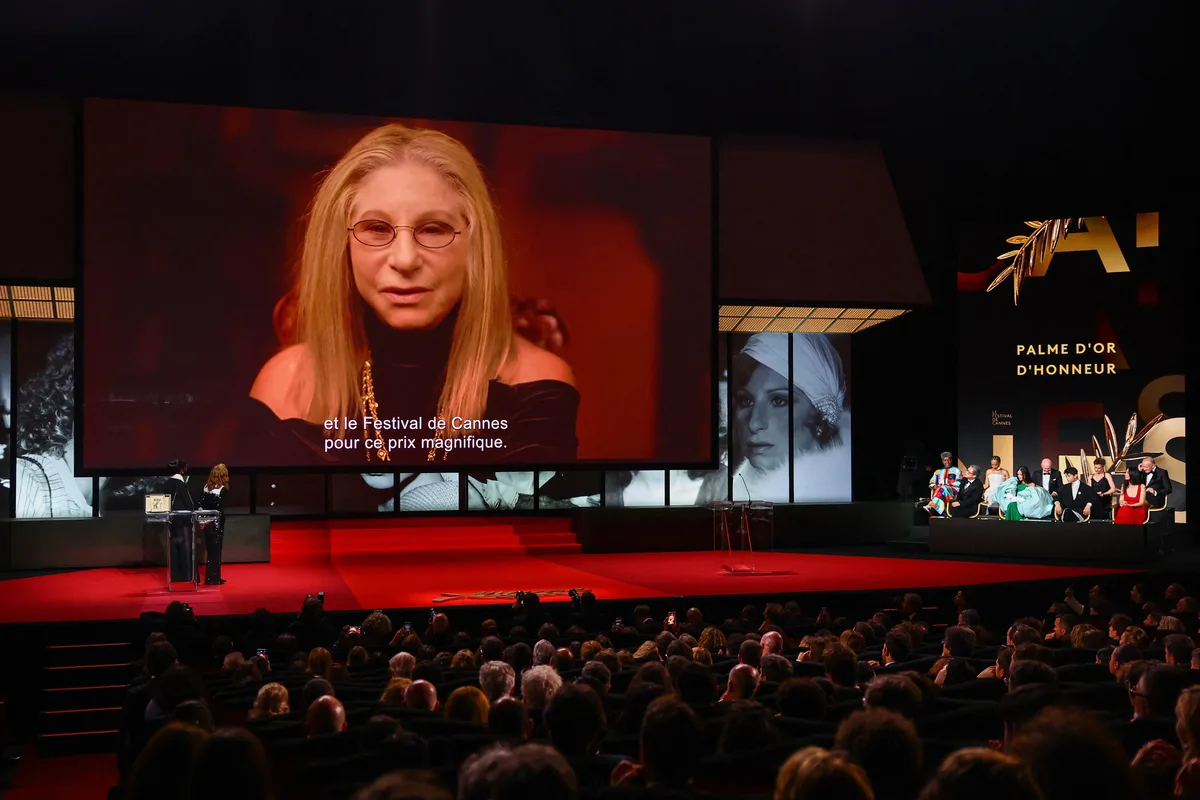
Barbra Streisand, 84, received an honorary Palme d’Or in absentia due to a knee injury. Actress Isabelle Huppert accepted the award for her. Streisand said, "Cinema’s ability to unite people is something I cherish deeply" [1, 2, 5].
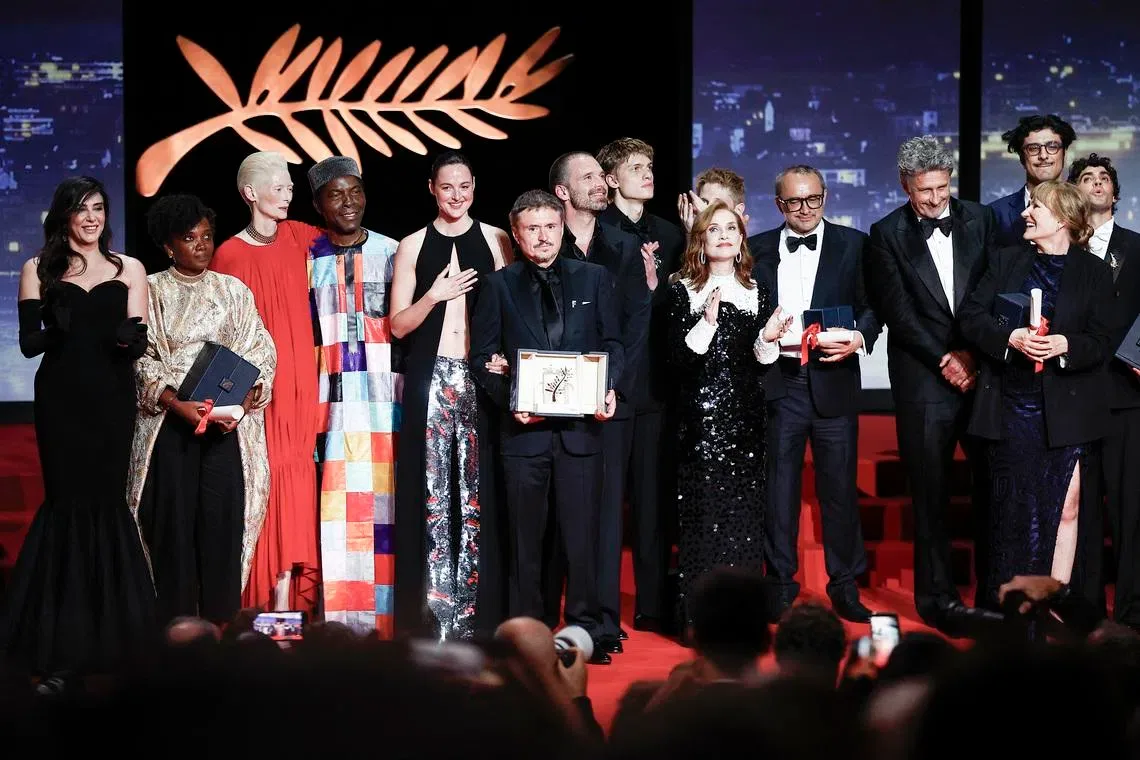
Mungiu is now one of 10 filmmakers to have won the Palme d’Or twice [3, 5]. The festival’s closing ceremony brought together a diverse group of international filmmakers and performers.
The Cannes Film Festival will open again next year as the world’s premier showcase for new cinema.