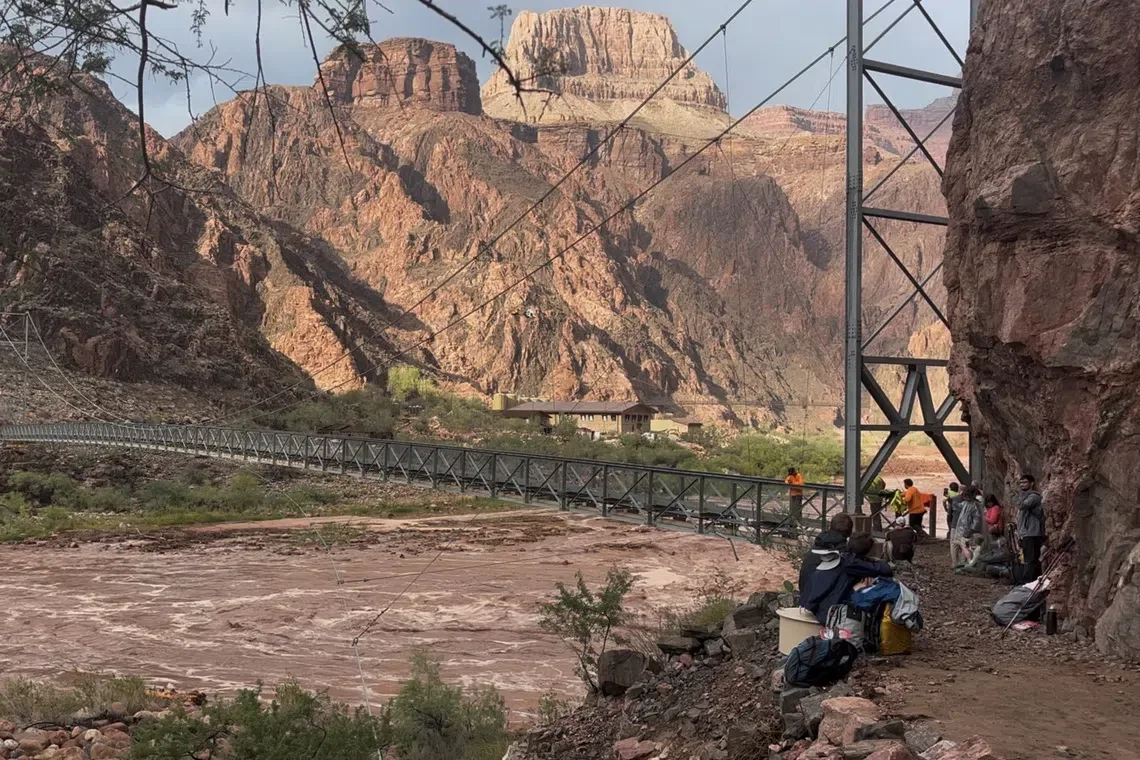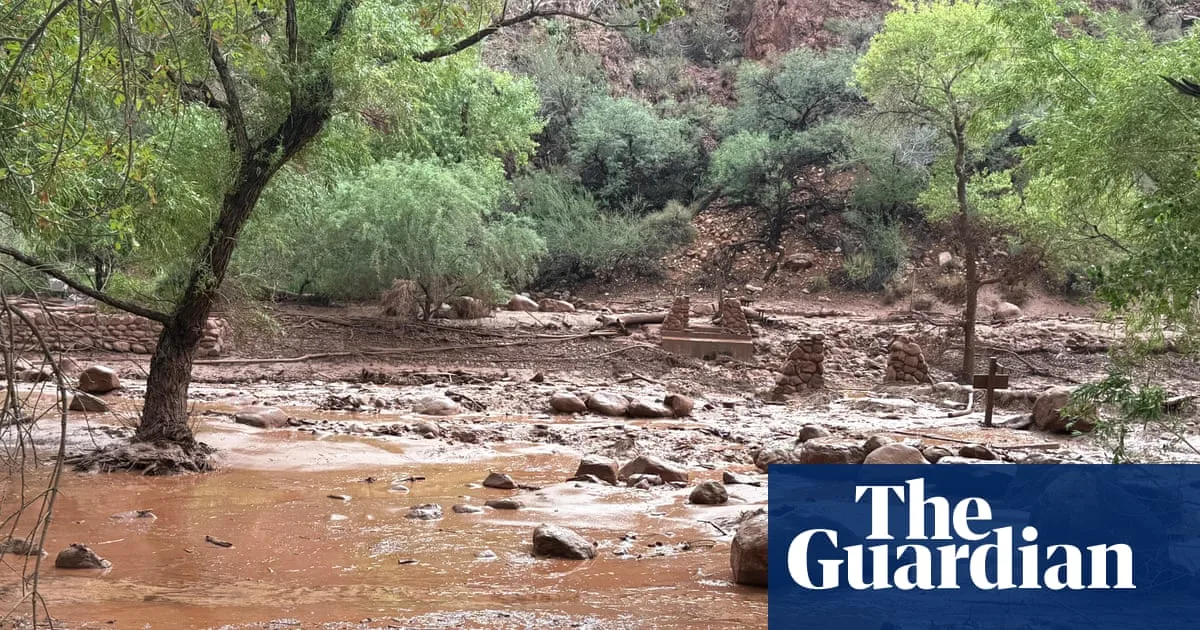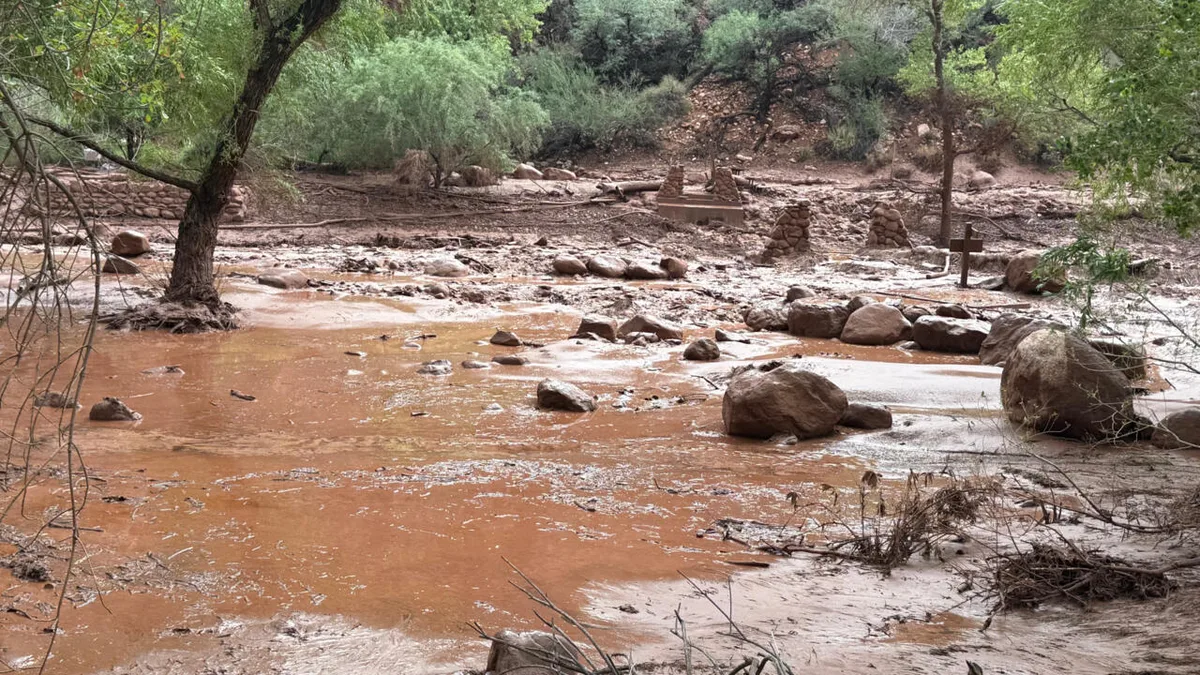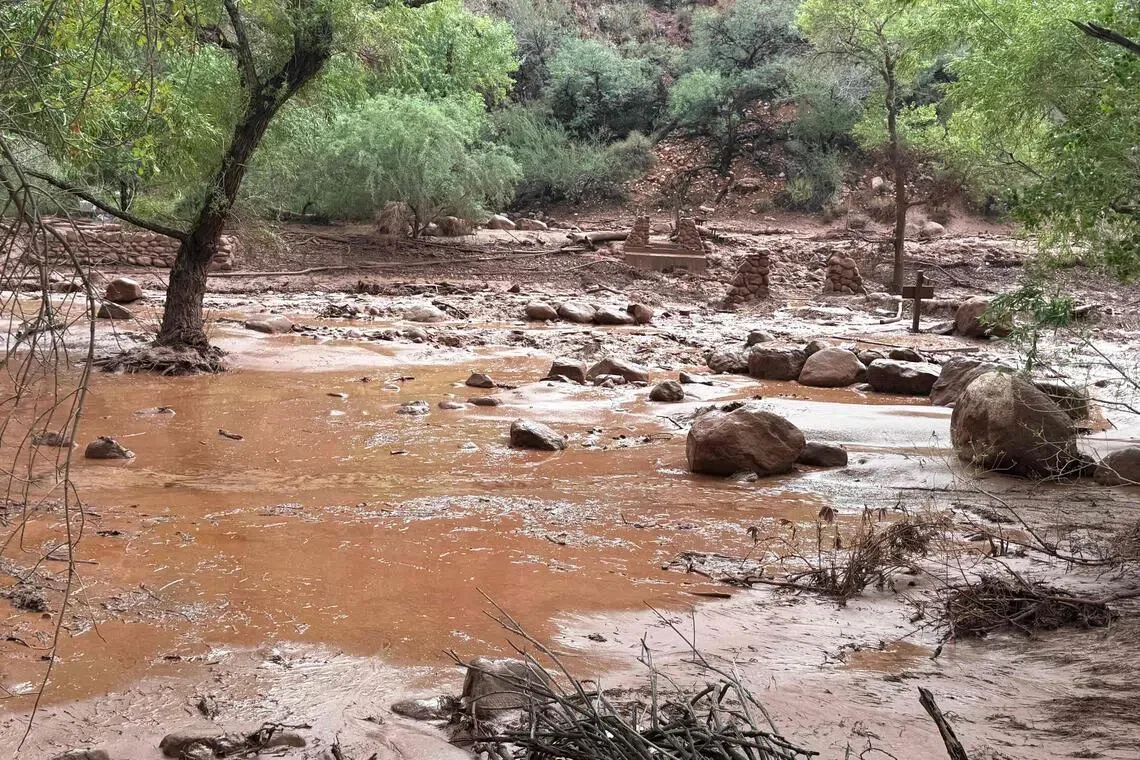
A flash flood struck the Grand Canyon’s Bright Angel Canyon and Phantom Ranch areas on the afternoon of August 29, 2026, triggered by heavy rain over the Kaibab Plateau [1, 2, 3]. The sudden surge caused severe flooding, debris flows, and destruction of infrastructure within the popular hiking zones [4, 1, 5, 2, 6, 3].
At least two people have died in the flood. The bodies of John Giusti, 46, and Brent Rosenkranz, 42, both from Texas, were recovered near Crystal Rapids along the Colorado River—Giusti’s body on August 30, Rosenkranz’s on September 1 [4, 1, 5, 6, 3]. A third hiker, Timothy Allen Smith, 53, remains officially missing as of September 1 [5, 6].
Initial reports of up to 30 missing have been refined to about 15 people still unaccounted for after search efforts [4, 1, 5, 2, 6, 3]. More than 60 individuals have been evacuated from flood-affected areas by airlift and other means since the weekend [4, 1, 5, 2, 6, 3]. Justin Cully, Grand Canyon’s chief park ranger, noted some hikers may have been in the flood zone without required permits, complicating head counts [5].
The flood surge destroyed nearly all footbridges over Bright Angel Creek and drastically altered the terrain, worsening hiking conditions and blocking crossings [4, 1, 5, 3]. A group including physicians and a park ranger survived by climbing to higher ground after encountering a four-foot debris wall in Bright Angel Canyon [4].
The 20-kilometer Transcanyon Waterline pipeline, which supplies drinking water and fire suppression from Roaring Springs on the North Rim to the South Rim, was severely damaged, with about 40% destroyed or disrupted [4, 1, 2, 6, 3]. Due to the damage, the National Park Service imposed Stage 4 water restrictions starting August 31 or September 1. Overnight lodging at major facilities including Phantom Ranch, El Tovar, and Bright Angel Lodge was closed indefinitely [4, 1, 5, 2, 6, 3]. Fire bans on wood and charcoal were also enforced in canyon and South Rim areas amid dry conditions and limited water supply [1, 6, 3]. The Park Service stated these measures are "crucial for ensuring the safety and sustainability of water resources" [4].
The National Weather Service issued flash flood watches and warned of continuing flood risks on August 31 and into September 1 due to forecasted rains and thunderstorms. It cautioned that "flash flooding will be possible in creeks, normally dry washes, swimming holes, and over recently burned areas. Raging killer currents will be possible in side canyons and narrow slot canyons. Low-water crossings may be flooded" [1].
The next phase of the response will focus on ongoing search efforts for the missing and infrastructure repairs. The water pipeline reconstruction and lodge reopenings are likely to remain on hold until repairs can ensure visitor safety and water availability.