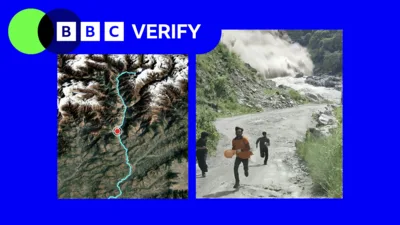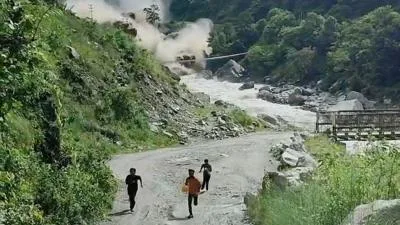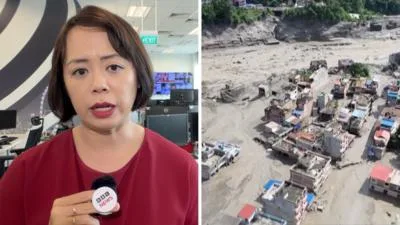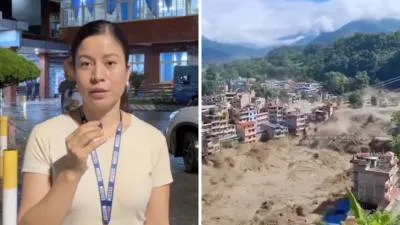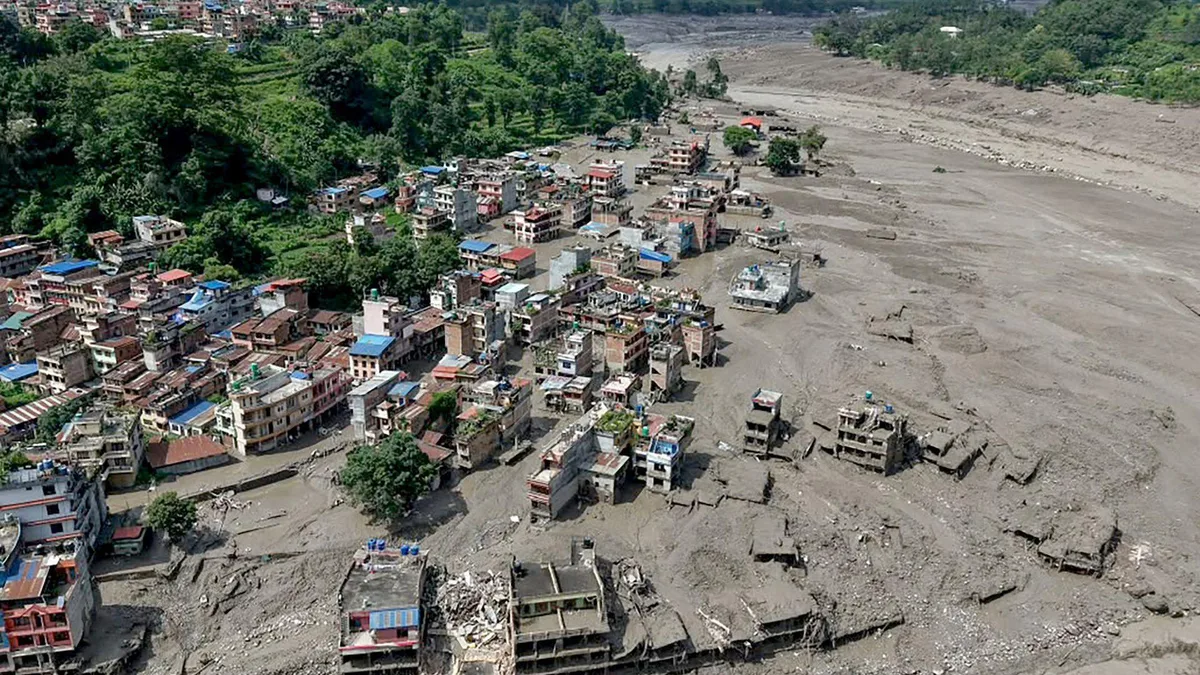
A massive flash flood swept through northern Nepal and the Himalayan border with Tibet on August 26, killing at least 162 people and leaving hundreds missing, officials said yesterday. [1, 2, 3, 4, 5, 6] The flood destroyed entire villages, roads, bridges, hydropower projects, and markets across Nepal’s Rasuwa district and along the Bhote Koshi and Trishuli rivers. [1, 2, 7, 3, 8, 5]
Nepal’s Prime Minister Balendra Shah reported 95 confirmed deaths and 484 missing persons on August 26, with the toll rising to 162 by August 27 as rescue efforts continued. [5, 6] Among the missing are over 579 tourists, including approximately 434 foreign nationals from India, the U.S., the U.K., Malaysia, Australia, and Japan. [2, 5, 6]
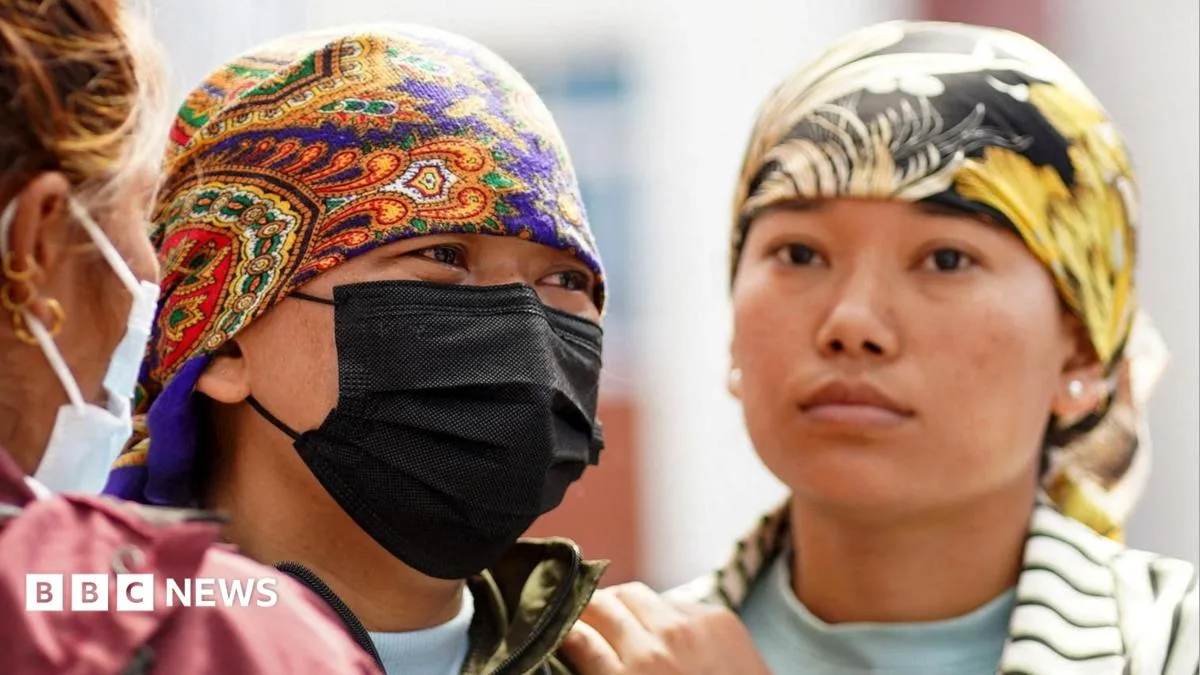
Survivors described the flood as sudden and devastating. Kalpana Malla said, "My family members were swept away by the flood in front of my eyes... This flood took everything, but my son and I climbed the rooftop of a house and survived but couldn't explain how." [1] Omkar Joshi described the scene as "a giant graveyard," with "sand and pebbles, soaked red by human blood." [7] Some likened the flood’s force to an earthquake due to the roar and sudden onset. [1, 3]
The flood caused extensive damage to Nepal’s hydropower capacity, cutting about 430 megawatts or roughly 12% of the national total. [2, 3, 8] The Chinese Tibetan region of Gyirong county was also hit by mudslides that damaged roads, power, and communications. Officials there fear major casualties and missing persons. [2, 3, 8]
Chinese President Xi Jinping urged "all-out efforts to search for the missing, and stronger monitoring and early warning systems to prevent secondary disasters." [2, 3, 8] Meanwhile, Nepal’s Prime Minister called an emergency cabinet meeting and ordered relocation of people living in vulnerable river areas to safer zones. [2, 3, 8] He said, "Instructions have been given... to move the people living in the lower areas to safer places. People along the river are advised to exercise extra caution and remain alert." [3]
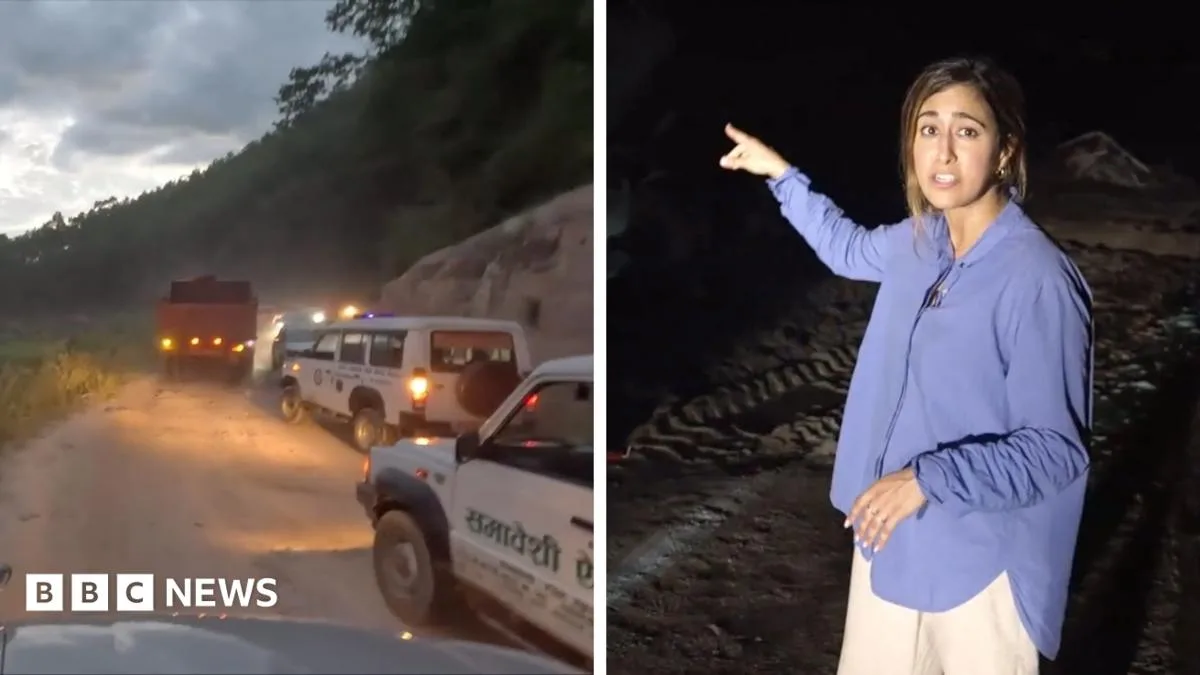
Rescue operations by Nepal’s army, police, military, and medical teams faced challenges due to flooding and damaged infrastructure that hindered helicopter landings. [1, 2, 3, 8, 6] Helicopters began evacuating survivors from affected towns such as Bidur and Timure on August 27. [7, 6]
Authorities in neighboring Indian states such as Bihar have increased flood preparedness amid concerns that river water levels will rise due to spillover from Nepal’s floods. [5]