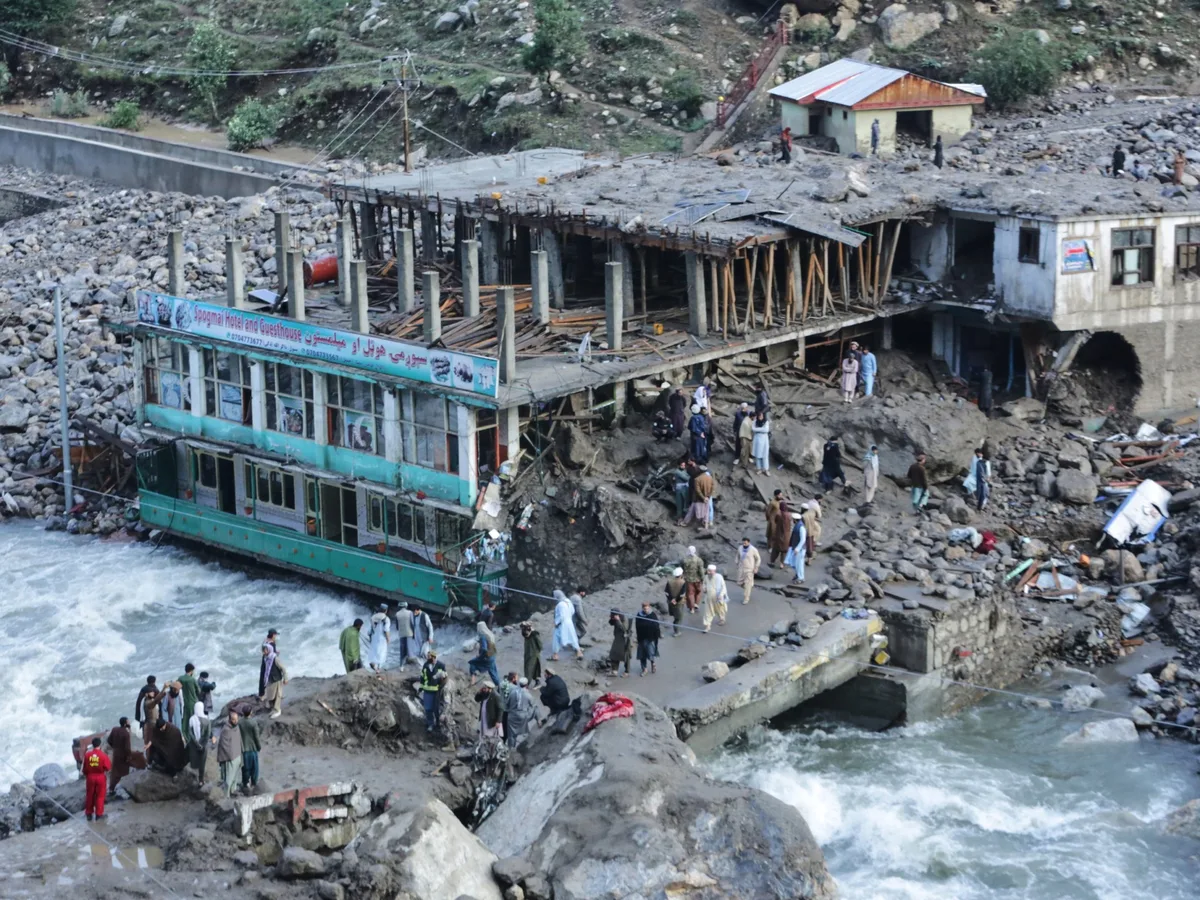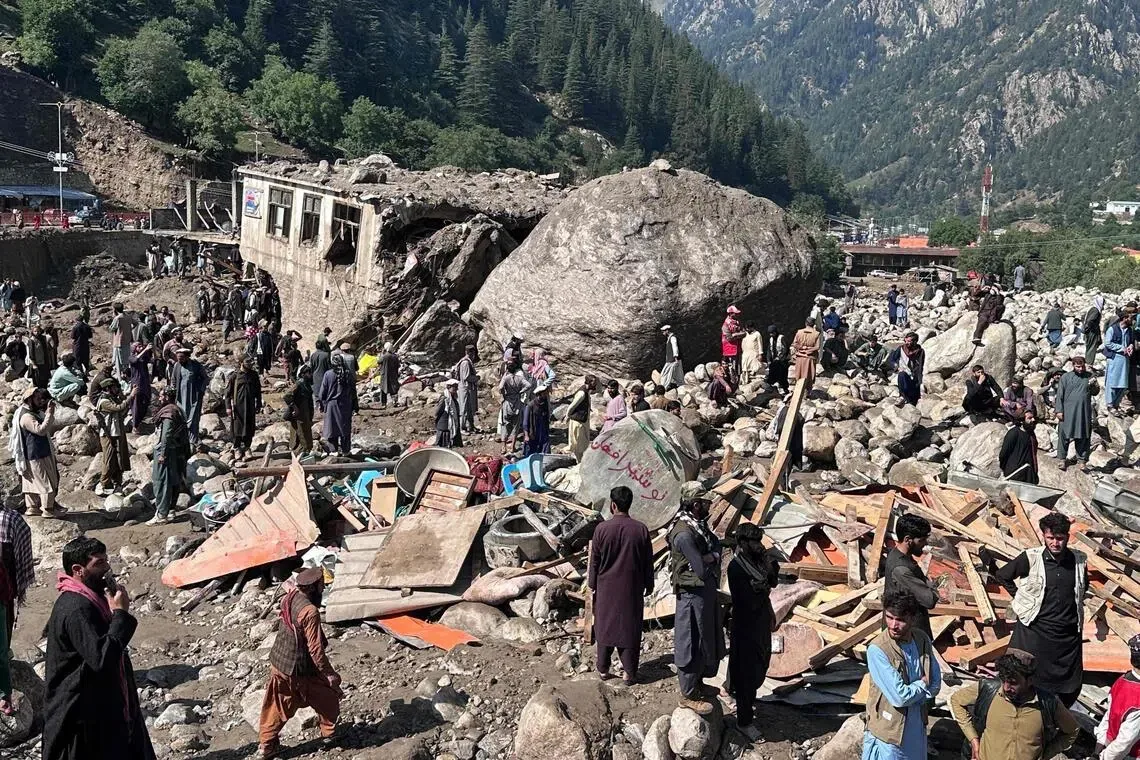
Flash floods and landslides hit Nuristan province, Afghanistan, on July 20, 2026, killing at least 23 people and leaving around 100 missing, officials said [1, 2, 3]. The disaster caused heavy damage in the provincial capital, Parun, and nearby areas [1, 2, 3].
The floods destroyed 7 houses and damaged 23 more. They also damaged 70 shops, 40 vehicles, and 11 hotels, severely impacting the local economy and infrastructure [1, 3]. Thousands of residents have been displaced, and at least 80 people were injured, adding to the strain on emergency services [3].
Local residents described the sudden flood devastation in vivid terms. Farid Gul Zaheer, a pharmacist, said, "It felt like there was an earthquake, and I heard children and people screaming" [1]. Zakirullah Zaki, manager of the Spogmai Hotel, called it "an act of God struck us" [1].
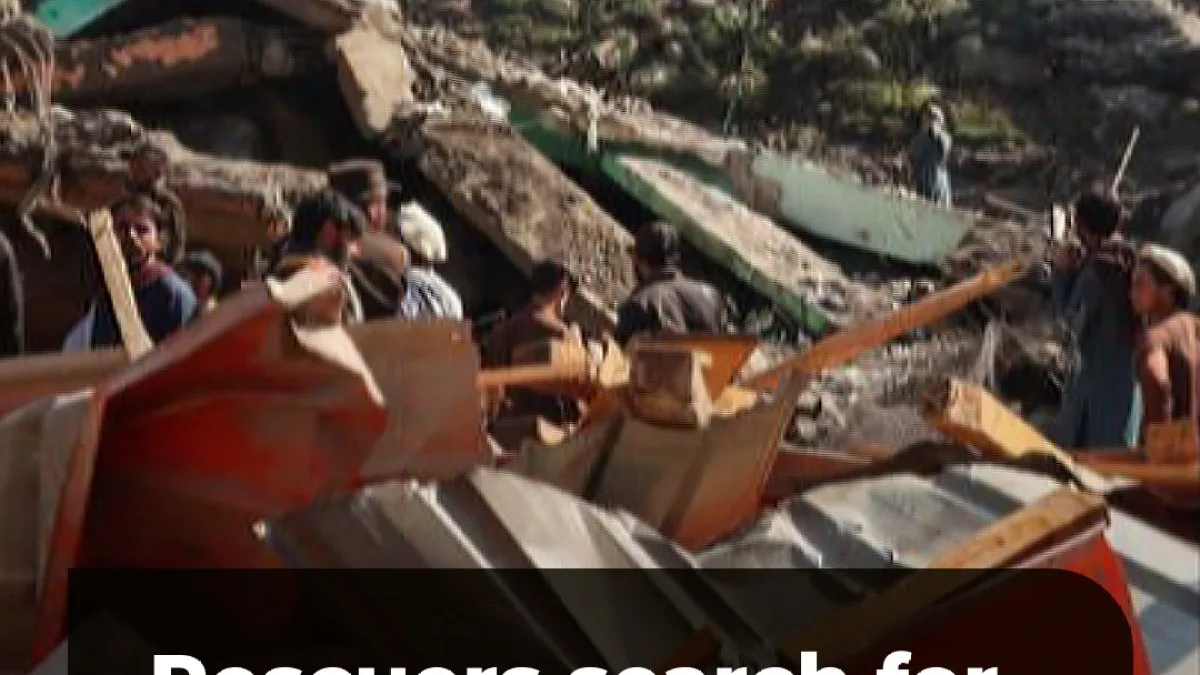
Rescue operations continue with army units, local volunteers, and relief agencies conducting manual searches for survivors and missing persons [1, 2, 3]. Juma Khan Nayel, communications chief for the Afghan Red Crescent Society, said, "We are supplying some food, water and tents for those whose homes have been destroyed" [1].
Weather forecasts warn that heavy rains, thunderstorms, and the risk of flash floods will persist in several Afghan provinces, complicating relief efforts [2]. Afghanistan faces heightened vulnerability to such floods due to climate change, poor infrastructure, deforestation, and the effects of decades of conflict [2].
Earlier floods and landslides this year and in past years have caused significant casualties across Afghanistan and neighboring countries [2]. The recent Nuristan flooding is among the deadliest this year.
Search and rescue operations intensified on July 21 amid ongoing weather threats and growing concerns for the missing [1, 2, 3]. Authorities remain focused on locating survivors and providing aid to displaced families.